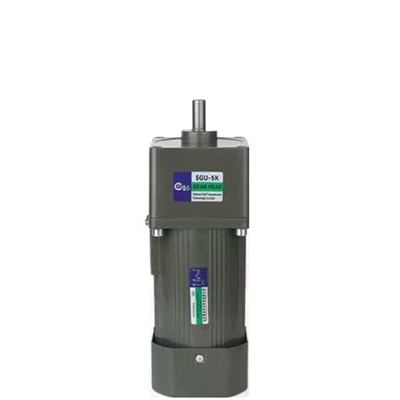
Hey there! As a supplier of Spindle Servo Motors, I often get asked about the noise level of these motors. It's a crucial factor, especially for applications where a quiet environment is a must. So, let's dig into what the noise level of a spindle servo motor really means and what affects it.
First off, what's a Spindle Servo Motor? Well, it's a type of motor that's super precise and can control speed and position accurately. You can learn more about it Spindle Servo Motor. These motors are used in all sorts of industries, like manufacturing, CNC machines, and robotics. And the noise they make can have a big impact on the overall working conditions and the quality of the end - product.
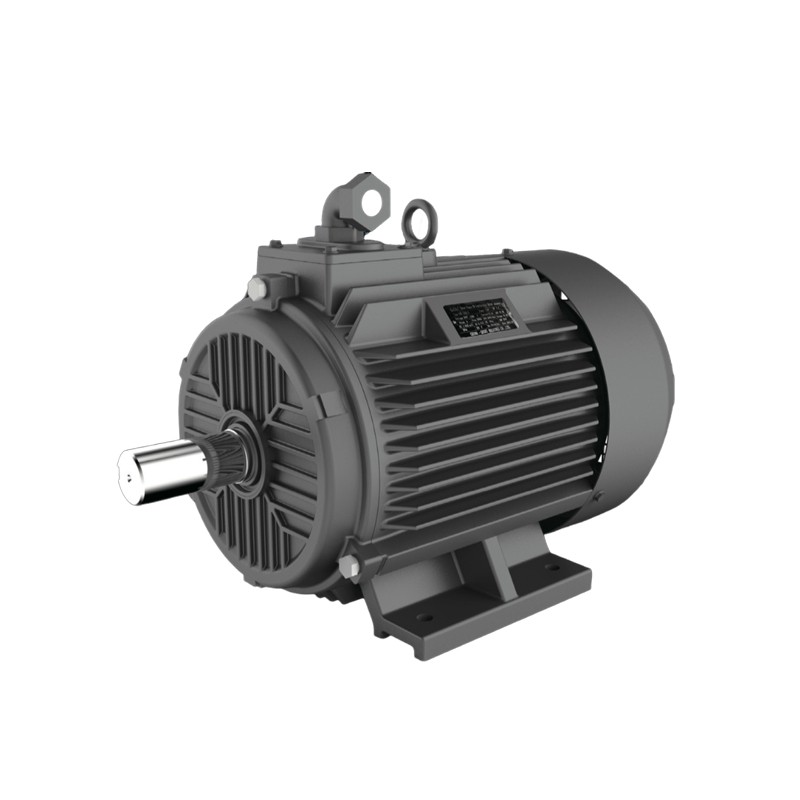

The noise level of a spindle servo motor is usually measured in decibels (dB). A lower decibel value means a quieter motor. In general, a normal, well - functioning spindle servo motor might have a noise level ranging from about 50 dB to 70 dB. To put that in perspective, a quiet library is around 40 dB, and normal conversation is about 60 dB. So, a motor in the 50 - 70 dB range is relatively quiet, but it can still be noticeable in a very quiet environment.
Now, what causes the noise in these motors? There are a few factors at play. One of the main culprits is mechanical vibration. When the motor is running, the moving parts inside it, like the bearings and the rotor, can vibrate. These vibrations can create sound waves, which we perceive as noise. For example, if the bearings are worn out or not properly lubricated, they can make a lot of noise. The quality of the bearings and how well they're maintained can have a huge impact on the noise level.
Another factor is electromagnetic noise. Spindle servo motors, especially Permanent Magnet Motor Synchronous ones, use magnetic fields to generate motion. When the magnetic fields interact, they can produce a humming or buzzing sound. This type of noise is often related to the design of the motor and the quality of the electrical components. If the motor is poorly designed or has faulty electrical parts, the electromagnetic noise can be quite high.
The operating conditions of the motor also matter. If the motor is running at a high speed or under a heavy load, it's likely to make more noise. High - speed operation can increase the mechanical vibrations and the electromagnetic interference, leading to a louder motor. Similarly, when the motor is overloaded, it has to work harder, which can also result in more noise.
So, how can we reduce the noise level of a spindle servo motor? Well, proper maintenance is key. Regularly checking and replacing the bearings, lubricating the moving parts, and keeping the motor clean can all help to reduce mechanical noise. As for electromagnetic noise, using high - quality electrical components and proper shielding can make a big difference. Some motors also come with noise - reducing features built - in, like special insulation or damping materials.
In some applications, the noise level of the motor can be a deal - breaker. For example, in a laboratory or a recording studio, even a small amount of motor noise can be a problem. In these cases, it's important to choose a motor with a low noise level. That's where we come in as a supplier. We offer a range of spindle servo motors with different noise levels to suit various applications.
If you're in the market for a spindle servo motor and noise is a concern, we can help you find the right one. Our team of experts can guide you through the selection process, taking into account your specific requirements and the noise level you need. We understand that every application is unique, and we're committed to providing the best solution for you.
Whether you're looking for a motor for a small - scale project or a large - scale industrial application, we've got you covered. Our motors are not only quiet but also reliable and efficient. We source our motors from top - notch manufacturers and test them thoroughly to ensure they meet the highest standards.
So, if you're interested in learning more about our spindle servo motors or want to discuss your specific needs, don't hesitate to reach out. We're here to answer all your questions and help you make the right choice. Contact us today, and let's start a conversation about how we can meet your motor requirements.
References
- General knowledge about spindle servo motors from industry experience.
- Technical specifications from motor manufacturers.