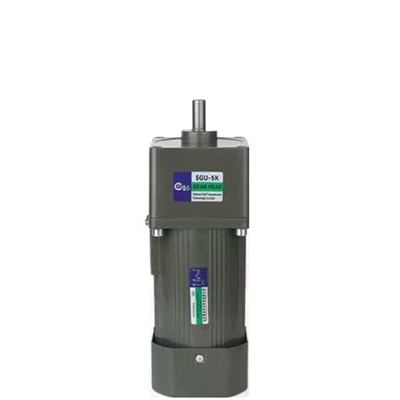
Hey there! As a supplier of 400W AC Gear Motors, I've seen my fair share of issues with these motors overheating. It's a common problem that can lead to all sorts of headaches, from reduced performance to complete motor failure. In this blog post, I'm going to break down the main reasons why a 400W AC Gear Motor might overheat and what you can do to prevent it.
Overloading
One of the most common causes of overheating in a 400W AC Gear Motor is overloading. When you ask the motor to do more work than it's designed for, it has to work harder to meet the demand. This extra effort generates more heat, and if the motor isn't able to dissipate it quickly enough, the temperature will start to rise.
For example, if you're using a 400W AC Gear Motor to drive a conveyor belt that's carrying a heavier load than the motor is rated for, the motor will have to work overtime to keep the belt moving. Over time, this can cause the motor to overheat and eventually fail.
To avoid overloading your motor, make sure you understand its rated capacity and never exceed it. If you need to move a heavier load, consider upgrading to a more powerful motor.
Poor Ventilation
Proper ventilation is crucial for keeping a 400W AC Gear Motor cool. These motors generate heat when they're running, and if that heat isn't able to escape, it will build up inside the motor and cause the temperature to rise.
If the motor is installed in an enclosed space or there's not enough airflow around it, the heat can't dissipate effectively. This can be a problem in industrial settings where motors are often placed in cabinets or other confined areas.
To ensure good ventilation, make sure the motor has plenty of space around it. Avoid blocking the ventilation openings on the motor, and consider using fans or other cooling devices to improve the airflow.
Faulty Electrical Connections
Another potential cause of overheating is faulty electrical connections. Loose or corroded connections can increase the resistance in the electrical circuit, which in turn causes the motor to draw more current. This extra current generates heat, and if the problem isn't fixed, it can lead to overheating.
When installing or maintaining a 400W AC Gear Motor, it's important to check the electrical connections regularly. Make sure all the wires are securely tightened and that there's no sign of corrosion. If you notice any loose or corroded connections, fix them immediately.
Worn Bearings
The bearings in a 400W AC Gear Motor play a crucial role in allowing the motor to rotate smoothly. Over time, these bearings can wear out, which can cause increased friction and heat generation.
If the bearings are worn, you might notice a squealing or grinding noise coming from the motor. This is a sign that the bearings need to be replaced. Ignoring the problem can lead to further damage to the motor and eventually cause it to overheat.
Regular maintenance and inspection can help you catch worn bearings early. Make sure to follow the manufacturer's recommendations for bearing replacement intervals.
Incorrect Voltage
Operating a 400W AC Gear Motor at the wrong voltage can also cause it to overheat. If the voltage is too high, the motor will draw more current than it's designed for, which generates excessive heat. On the other hand, if the voltage is too low, the motor may not be able to operate properly, and it may also overheat as it struggles to perform its task.
Before installing a 400W AC Gear Motor, make sure you check the voltage requirements and ensure that the power supply matches those requirements. If you're not sure, consult an electrician or the motor manufacturer.
Contamination
Contamination can also be a factor in motor overheating. Dust, dirt, and other debris can accumulate on the motor's windings and other components, which can insulate them and prevent heat from escaping. In addition, contaminants can cause corrosion and other damage to the motor, which can also lead to overheating.
To prevent contamination, keep the motor clean and free of debris. If the motor is operating in a dirty environment, consider using a protective cover or enclosure.


Solutions to Prevent Overheating
Now that we've covered the main causes of overheating in a 400W AC Gear Motor, let's talk about some solutions to prevent it.
- Proper Sizing: Make sure you choose the right motor for the job. Don't overload the motor by asking it to do more work than it's designed for.
- Good Ventilation: Ensure the motor has enough space around it for proper ventilation. Use fans or other cooling devices if necessary.
- Regular Maintenance: Check the electrical connections, bearings, and other components regularly. Replace any worn or damaged parts as soon as possible.
- Correct Voltage: Always operate the motor at the correct voltage. If you're not sure, consult an expert.
- Cleanliness: Keep the motor clean and free of contaminants. Use a protective cover if the motor is in a dirty environment.
Conclusion
Overheating is a common problem with 400W AC Gear Motors, but it can be prevented with proper care and maintenance. By understanding the main causes of overheating and taking the necessary steps to avoid them, you can ensure that your motor operates efficiently and reliably for a long time.
If you're in the market for a 400W AC Gear Motor or a Gear Reduction Motor or a Worm Gear Reduction Motor, we're here to help. We offer a wide range of high-quality motors at competitive prices. Contact us today to discuss your requirements and start a procurement discussion.
References
- Electrical Motor Handbook, Publisher, Year of Publication
- Industrial Motor Maintenance Guide, Author, Year of Publication