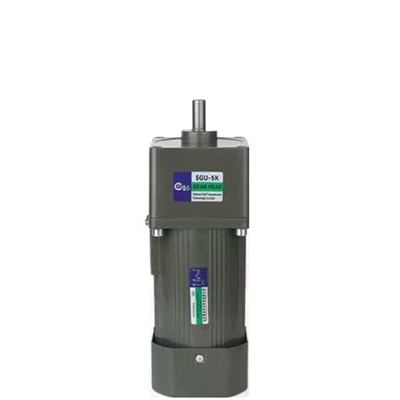
As a supplier of IE4 Electric Motors, I often encounter inquiries from various industries about the applicability of our motors in their specific equipment. One question that has come up frequently is whether the IE4 Electric Motor can be used in printing presses. In this blog post, I will explore this topic in detail, considering the technical aspects, benefits, and potential challenges of using IE4 Electric Motors in printing presses.
Technical Compatibility
Printing presses are complex machines that require precise control of speed, torque, and power. The IE4 Electric Motor, with its high - efficiency design, offers several features that make it a potential candidate for use in printing presses.
Speed and Torque Control
IE4 Electric Motors are known for their excellent speed and torque control capabilities. In a printing press, different printing processes may require different speeds. For example, during the feeding stage, a relatively low and stable speed is needed to ensure accurate paper feeding. When it comes to the actual printing process, the motor may need to operate at a higher speed to maintain the printing efficiency. The advanced control systems of IE4 Electric Motors can easily adjust the speed according to the process requirements, providing a smooth and stable operation.
In terms of torque, printing presses often need to overcome various resistances, such as the friction between the printing rollers and the paper, and the tension of the paper feeding system. IE4 Electric Motors can provide high starting torque, which is crucial for starting the press smoothly. Moreover, they can maintain a stable torque output during the operation, ensuring the quality of the printed products.
Power Efficiency
One of the most significant advantages of IE4 Electric Motors is their high power efficiency. Printing presses are energy - intensive machines, and reducing energy consumption can significantly lower the operating costs. IE4 Electric Motors can convert a higher percentage of electrical energy into mechanical energy compared to traditional motors, such as the Y2 Three Phase Motor. This means that for the same amount of work, an IE4 Electric Motor will consume less electricity, resulting in cost savings for the printing press operators.
Benefits of Using IE4 Electric Motors in Printing Presses
Cost Savings
As mentioned above, the high energy efficiency of IE4 Electric Motors leads to direct cost savings in electricity bills. Over the long - term operation of a printing press, these savings can be substantial. Additionally, IE4 Electric Motors generally have a longer service life due to their advanced design and high - quality components. This reduces the frequency of motor replacements and maintenance costs, further contributing to cost savings.
Environmental Friendliness
With the increasing focus on environmental protection, using energy - efficient motors is a step towards a greener operation. By reducing energy consumption, IE4 Electric Motors help to lower the carbon footprint of printing presses. This is not only beneficial for the environment but also in line with the growing trend of corporate social responsibility in the printing industry.
Improved Printing Quality
The precise speed and torque control of IE4 Electric Motors can have a positive impact on the printing quality. A stable and accurate motor operation ensures that the printing rollers rotate at a consistent speed, which is essential for clear and sharp printing. It also helps to reduce the occurrence of printing defects, such as smudging and misregistration.
Potential Challenges
Initial Investment
One of the main challenges of using IE4 Electric Motors in printing presses is the higher initial investment. Compared to traditional motors like the Cast Iron Three Phase Motor, IE4 Electric Motors are more expensive. However, it is important to consider the long - term cost savings and benefits when making the investment decision.
Compatibility with Existing Systems
Some older printing presses may have existing motor control systems that are not fully compatible with IE4 Electric Motors. In such cases, additional modifications or upgrades to the control systems may be required. This can add to the overall cost and complexity of the installation.
Case Studies and Real - World Applications
Although the use of IE4 Electric Motors in printing presses is still in the early stages of adoption, there have been some successful case studies. For example, a medium - sized printing company replaced the old motors in their offset printing presses with IE4 Electric Motors. After the replacement, they noticed a significant reduction in energy consumption, with an average savings of 20% on their monthly electricity bills. The printing quality also improved, resulting in fewer rejected products and higher customer satisfaction.
Conclusion
In conclusion, the IE4 Electric Motor has great potential for use in printing presses. Its technical features, such as speed and torque control and high power efficiency, offer several benefits, including cost savings, environmental friendliness, and improved printing quality. Although there are some challenges, such as the higher initial investment and compatibility issues, the long - term advantages make it a viable option for printing press operators.


If you are in the printing industry and are considering upgrading your printing press motors, I encourage you to explore the possibilities of using IE4 Electric Motors. Our company has a wide range of IE4 Electric Motors that can meet your specific requirements. We are committed to providing high - quality products and excellent customer service. If you have any questions or would like to discuss a potential purchase, please feel free to contact us for a detailed consultation.
References
- "Electric Motor Handbook", Second Edition, by T. J. E. Miller
- Industry reports on energy - efficient motors in the printing industry