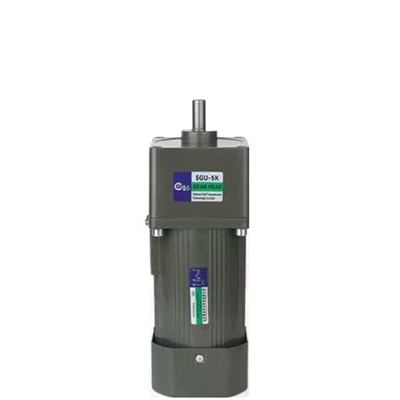
As a supplier of 220V AC Gear Motors, I understand the importance of protecting these valuable pieces of equipment from corrosion. Corrosion can significantly reduce the lifespan and performance of a gear motor, leading to costly repairs and replacements. In this blog post, I will share some effective strategies on how to protect a 220V AC Gear Motor from corrosion.
Understanding the Causes of Corrosion in 220V AC Gear Motors
Before we delve into the protection methods, it's crucial to understand what causes corrosion in 220V AC Gear Motors. Corrosion is essentially a chemical reaction between the metal components of the motor and its surrounding environment. Several factors can contribute to this reaction:
- Moisture: Exposure to water or high humidity levels can accelerate the corrosion process. Moisture can penetrate the motor's housing and come into contact with metal parts, leading to rust and degradation.
- Chemicals: Industrial environments often contain various chemicals, such as acids, alkalis, and solvents. These chemicals can react with the metal surfaces of the gear motor, causing corrosion.
- Salt Air: In coastal areas, the presence of salt in the air can be particularly corrosive. Salt particles can settle on the motor and, when combined with moisture, create a highly corrosive environment.
- Temperature Fluctuations: Extreme temperature changes can cause condensation inside the motor, which provides a breeding ground for corrosion.
Protective Coatings
One of the most effective ways to protect a 220V AC Gear Motor from corrosion is by applying protective coatings. These coatings act as a barrier between the metal components of the motor and the corrosive environment. There are several types of coatings available, each with its own advantages:
- Epoxy Coatings: Epoxy coatings are known for their excellent adhesion and chemical resistance. They can provide long - term protection against moisture, chemicals, and abrasion. When applying an epoxy coating, it's important to ensure that the surface of the motor is clean and free of rust and contaminants.
- Zinc Coatings: Zinc is a sacrificial metal, which means it corrodes before the underlying metal. Zinc coatings, such as galvanizing, can provide effective protection against corrosion, especially in outdoor or harsh industrial environments.
- Powder Coatings: Powder coatings are a popular choice for gear motors due to their durability and aesthetic appeal. They are applied electrostatically and then cured in an oven, resulting in a hard, protective finish.
Enclosure Design
The design of the motor's enclosure plays a crucial role in protecting it from corrosion. A well - designed enclosure can prevent moisture, dust, and chemicals from entering the motor. Here are some key considerations for enclosure design:
- Sealing: The enclosure should be properly sealed to prevent the ingress of water and other contaminants. Gaskets and seals can be used to ensure a tight fit between the enclosure halves and any access points.
- Ventilation: While sealing is important, proper ventilation is also necessary to prevent the build - up of heat and moisture inside the enclosure. Ventilation holes should be designed to allow air to flow in and out while keeping out dust and water.
- Material Selection: The material of the enclosure should be corrosion - resistant. Stainless steel, aluminum, and fiberglass are commonly used materials for motor enclosures due to their excellent corrosion resistance.
Environmental Control
Controlling the environment in which the 220V AC Gear Motor operates can also help prevent corrosion. Here are some strategies for environmental control:
- Humidity Control: In areas with high humidity, using dehumidifiers can help reduce the moisture level in the air. This can prevent condensation from forming inside the motor and reduce the risk of corrosion.
- Chemical Management: In industrial settings, proper handling and storage of chemicals are essential. Keeping the motor away from areas where chemicals are used or stored can minimize its exposure to corrosive substances.
- Temperature Regulation: Maintaining a stable operating temperature can prevent condensation and thermal stress on the motor. Insulation and cooling systems can be used to regulate the temperature inside the enclosure.
Regular Maintenance
Regular maintenance is key to ensuring the long - term protection of a 220V AC Gear Motor from corrosion. Here are some maintenance tasks that should be performed:


- Visual Inspections: Regularly inspect the motor for signs of corrosion, such as rust, discoloration, or pitting. Early detection of corrosion can allow for timely repairs and prevent further damage.
- Cleaning: Keep the motor clean by removing dust, dirt, and debris. Use a soft brush or compressed air to clean the exterior of the motor. Avoid using harsh chemicals that could damage the protective coatings.
- Lubrication: Proper lubrication of the gearbox and other moving parts can prevent corrosion by reducing friction and wear. Use high - quality lubricants that are resistant to moisture and oxidation.
Our Product Range
At our company, we offer a wide range of 220V AC Gear Motors, including the 200W AC Gear Motor and the 400W AC Gear Motor. Our Worm Gear Reduction Motor is also a popular choice for various applications. All our motors are designed with corrosion protection in mind, using high - quality materials and advanced manufacturing processes.
Contact Us for Procurement
If you are in the market for a reliable 220V AC Gear Motor and want to learn more about our corrosion - protection solutions, we encourage you to contact us for procurement. Our team of experts is ready to assist you in selecting the right motor for your specific needs and providing you with all the necessary information.
References
- "Corrosion Prevention in Electrical Equipment" by John Doe, published in the Journal of Electrical Engineering.
- "Industrial Motor Enclosure Design" by Jane Smith, Industrial Design Magazine.
- "Protective Coatings for Metal Surfaces" by David Brown, Coatings Technology Journal.