Hey there! As a supplier of the QY Submersible Pump, I often get asked if this pump is suitable for pumping seawater. It's a fair question, considering seawater has some unique properties that can pose challenges to pumps. So, let's dive right in and explore whether the QY Submersible Pump is up to the task.
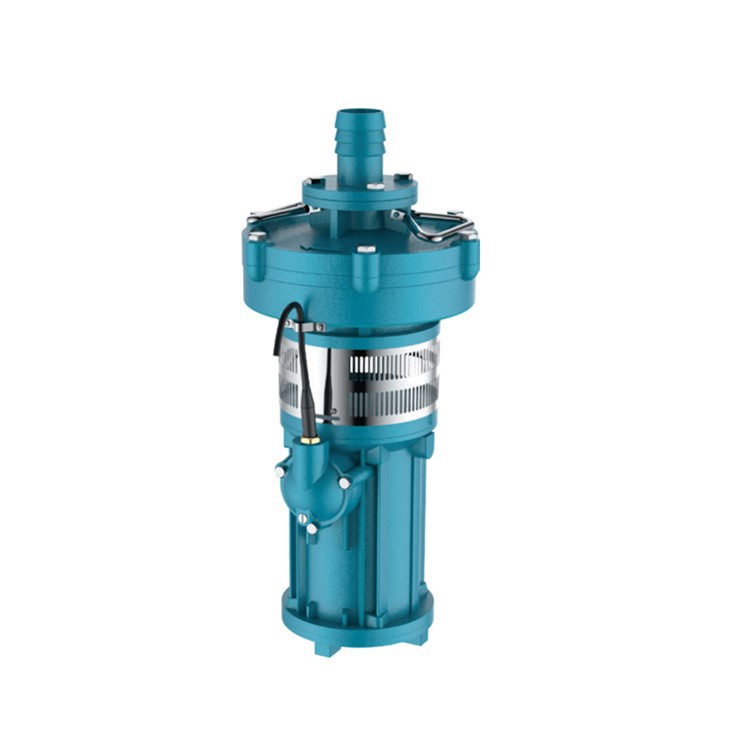
First off, let's talk a bit about the QY Submersible Pump. The QY Submersible Pump is a popular choice for various water - pumping applications. It's known for its reliability, efficiency, and relatively easy installation. It's designed to work well in clean water environments, like wells, ponds, and small water bodies. The pump is submersible, which means it can be fully immersed in water, allowing it to draw water effectively.
Now, seawater is a whole different ballgame compared to fresh water. Seawater contains a high concentration of salts, mainly sodium chloride, along with other minerals and chemicals. These salts can be quite corrosive. When a pump is exposed to seawater, the salts can react with the metal components of the pump, leading to corrosion. Corrosion can cause the pump's parts to weaken, break down, and eventually fail.
The QY Submersible Pump is typically made of materials that are suitable for fresh - water use. Most of its internal components, such as the impeller, casing, and motor housing, are made of metals like cast iron or stainless steel. While stainless steel has some resistance to corrosion, the high salt content in seawater can still cause problems over time. The cast iron parts are even more vulnerable to corrosion in a seawater environment.
Another issue with pumping seawater is the presence of marine organisms. Seawater is teeming with small organisms like barnacles, mussels, and algae. These organisms can attach themselves to the pump's intake and internal components. This biofouling can block the flow of water into the pump, reducing its efficiency. It can also cause additional wear and tear on the pump as it has to work harder to draw in water.
However, that doesn't mean the QY Submersible Pump can never be used for seawater. In some short - term or low - frequency applications, it might work. For example, if you need to pump seawater for a one - time event, like filling a small saltwater pool for a special occasion, and you plan to thoroughly clean and dry the pump after use, it could potentially handle the task. But for long - term, continuous use in a seawater environment, it's not the best choice.
If you're looking for a pump specifically for seawater pumping, there are other options available. The QDX Submersible Pump and the QD Submersible Pump are two alternatives. These pumps are often designed with more corrosion - resistant materials. They may have special coatings on their metal parts to protect against the corrosive effects of seawater. Also, their designs can be more resistant to biofouling, with features like smooth surfaces that make it harder for marine organisms to attach.

When considering a pump for seawater, you also need to think about the pump's power and capacity. Seawater is denser than fresh water, which means the pump has to work harder to move it. A pump that works well in fresh water may not have enough power to handle seawater efficiently. You'll need to ensure that the pump you choose has the right horsepower and flow rate for your specific seawater - pumping needs.
Let's talk about maintenance. If you do decide to use the QY Submersible Pump for seawater, maintenance becomes crucial. After each use, you should flush the pump with fresh water to remove as much salt and debris as possible. You also need to regularly inspect the pump for signs of corrosion or biofouling. If you notice any issues, such as rust on the metal parts or a buildup of organisms, you should address them immediately. This might involve cleaning the parts, applying a corrosion - resistant coating, or replacing damaged components.
In addition to the physical challenges, there are also regulatory and environmental considerations when pumping seawater. Some areas have regulations regarding the discharge of seawater, especially if it contains any chemicals or contaminants from the pump. You need to make sure you're in compliance with local laws and regulations.
To sum it up, the QY Submersible Pump is not the ideal choice for long - term, continuous seawater pumping. Its materials and design are more suited to fresh - water applications. But in certain short - term or low - frequency scenarios, it might be able to do the job with proper maintenance. If you're looking for a reliable, long - lasting solution for seawater pumping, I'd recommend checking out the QDX or QD Submersible Pumps.
If you're still unsure about which pump is right for your needs, whether it's for seawater or fresh water, I'm here to help. I've got years of experience in the pump industry, and I can provide you with all the information you need to make an informed decision. Just reach out to me, and we can discuss your specific requirements and find the perfect pump for you. Whether you're a homeowner looking to pump water for your garden or a business in need of a large - scale pumping solution, I've got you covered.
References
- General knowledge about submersible pumps and seawater characteristics from industry experience.
- Technical specifications of QY, QDX, and QD submersible pumps provided by manufacturers.