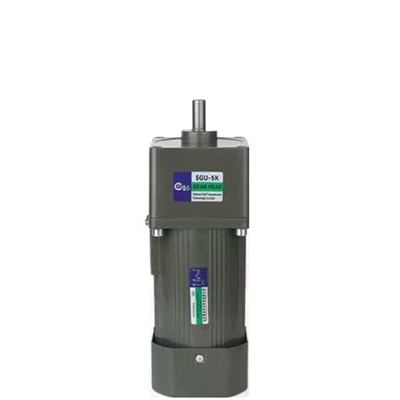
Hey there! As a supplier of Spindle Servo Motor, I often get asked about the electromagnetic compatibility (EMC) of these motors. So, I thought I'd take a few minutes to break it down for you.
First things first, what exactly is electromagnetic compatibility? Well, in simple terms, it's the ability of an electrical or electronic device to function properly in its electromagnetic environment without causing or suffering unacceptable electromagnetic interference (EMI). In the context of a spindle servo motor, this means that the motor should operate smoothly without interfering with other nearby electronic equipment, and it should also be able to withstand any external electromagnetic noise without malfunctioning.
Now, let's dig a little deeper into why EMC is so important for spindle servo motors. These motors are commonly used in a wide range of industrial applications, such as CNC machining centers, robotics, and automation systems. In these environments, there are usually a lot of other electronic devices and equipment operating simultaneously, such as sensors, controllers, and power supplies. If a spindle servo motor generates excessive electromagnetic noise, it can interfere with the operation of these other devices, leading to errors, malfunctions, or even system failures. On the other hand, if the motor is not immune to external electromagnetic interference, it may experience performance issues, such as speed fluctuations, torque ripples, or even complete shutdowns.
So, how do we ensure that our spindle servo motors have good electromagnetic compatibility? Well, there are several factors that we need to consider during the design and manufacturing process.
Design Considerations
Circuit Layout
One of the key aspects of EMC design is the layout of the motor's electrical circuits. We need to carefully arrange the components and wiring to minimize the formation of electromagnetic loops, which can act as antennas and radiate electromagnetic noise. For example, we try to keep the power and control circuits separate as much as possible, and we use proper shielding and grounding techniques to reduce the coupling between different circuits.
Filtering
Another important design technique is the use of filters. Filters are electronic components that can block or attenuate unwanted electromagnetic frequencies while allowing the desired signals to pass through. We typically install input and output filters on our spindle servo motors to reduce the electromagnetic noise generated by the motor and to protect it from external interference. These filters can be designed to target specific frequency ranges, depending on the application requirements.
Shielding
Shielding is also an effective way to improve the EMC of a spindle servo motor. We use conductive materials, such as metal enclosures or shields, to surround the motor and its electronics. These shields can absorb or reflect electromagnetic waves, preventing them from escaping or entering the motor. In addition, we also use shielded cables to connect the motor to the power supply and the control system, which can further reduce the electromagnetic radiation and interference.
Manufacturing and Testing
Quality Control
During the manufacturing process, we implement strict quality control measures to ensure that all the components and assemblies meet the required EMC standards. We use high-quality materials and components that have good electromagnetic properties, and we follow precise manufacturing processes to ensure the proper installation and connection of these components.

Testing
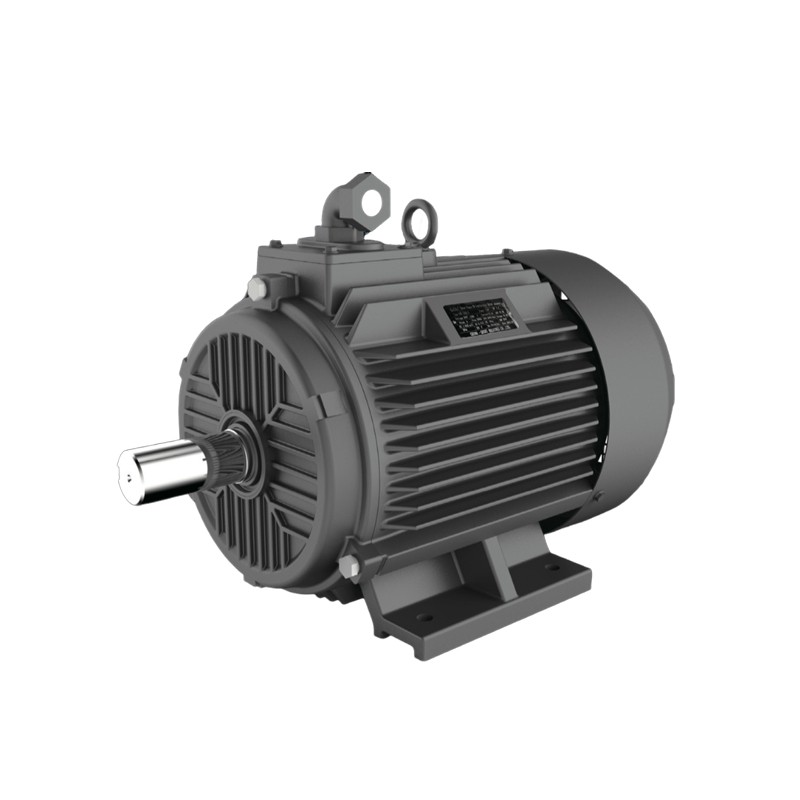
Once the motors are manufactured, we conduct comprehensive EMC testing to verify their performance. We use specialized test equipment, such as spectrum analyzers and electromagnetic chambers, to measure the electromagnetic emissions and immunity of the motors. These tests are carried out in accordance with international standards, such as the IEC 61800-3 standard for adjustable speed electrical power drive systems. If a motor fails to meet the required EMC specifications, we will take corrective actions, such as modifying the design, replacing the components, or improving the manufacturing process, until the motor passes the tests.
Benefits of Good EMC
When our spindle servo motors have good electromagnetic compatibility, it brings several benefits to our customers.
Reliability
First of all, it improves the reliability of the motor and the entire system. By reducing the electromagnetic interference, the motor is less likely to experience performance issues or malfunctions, which means fewer downtime and maintenance costs for our customers.
Performance
Good EMC also helps to ensure the optimal performance of the motor. Without the interference of electromagnetic noise, the motor can operate more smoothly and accurately, resulting in better speed control, torque stability, and overall system performance.
Compliance
In addition, having good EMC allows our motors to comply with the relevant international standards and regulations. This is especially important for customers who need to meet specific EMC requirements in their applications, such as in the automotive, aerospace, or medical industries.
Conclusion
In conclusion, electromagnetic compatibility is a crucial aspect of the design and performance of spindle servo motors. As a supplier, we are committed to providing our customers with high-quality motors that have excellent EMC characteristics. By using advanced design techniques, strict manufacturing processes, and comprehensive testing methods, we ensure that our motors can operate reliably and efficiently in a variety of electromagnetic environments.
If you're in the market for a Spindle Servo Motor or a Permanent Magnet Motor Synchronous, and you're looking for a motor with good EMC, we'd love to hear from you. Our team of experts can help you choose the right motor for your specific application and provide you with all the technical support you need. Don't hesitate to contact us for more information or to start a procurement discussion.
References
- IEC 61800-3: Adjustable speed electrical power drive systems - Part 3: EMC requirements and specific test methods
- Electromagnetic Compatibility Engineering by Henry W. Ott