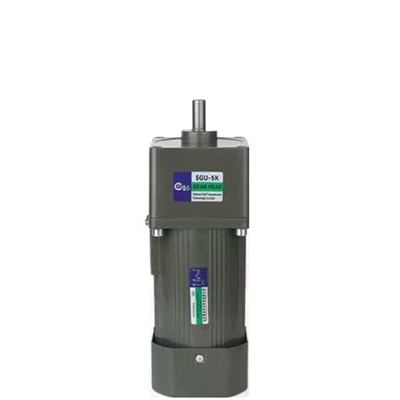
Hey there! As a supplier of 200W AC gear motors, I often get asked whether these motors can be used in a humid environment. It's a valid question, especially considering the potential impact of moisture on electrical and mechanical components. So, let's dive into this topic and see what we can find out.
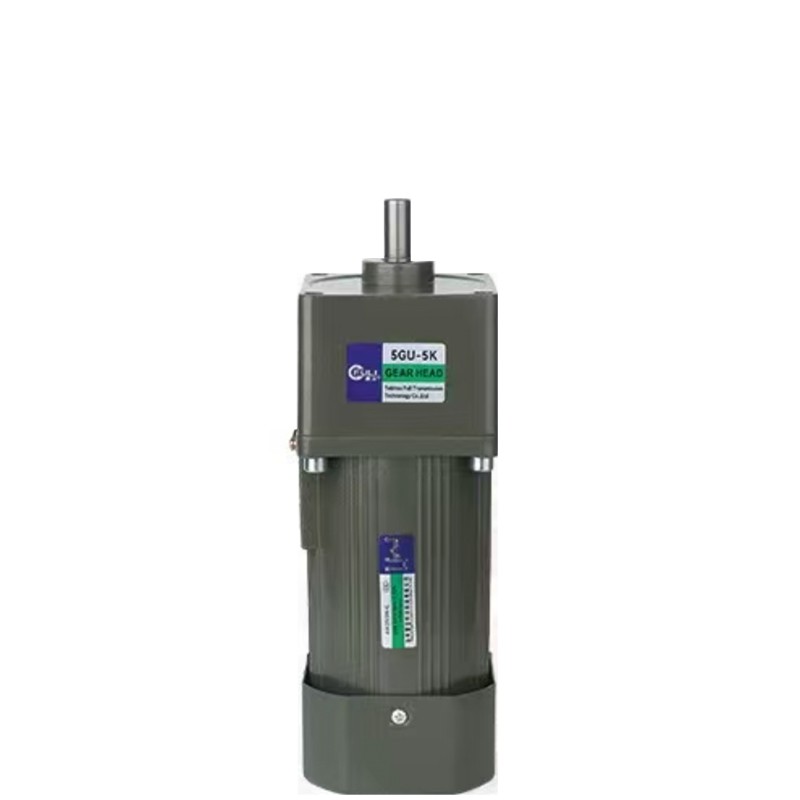
First off, let's understand what a 200W AC gear motor is. It's a type of motor that combines an AC (alternating current) motor with a gearbox. The gearbox helps to reduce the speed of the motor and increase the torque, making it suitable for a wide range of applications. These motors are commonly used in industrial equipment, automation systems, and even some home appliances.
Now, when it comes to using a 200W AC gear motor in a humid environment, there are a few things to consider. Moisture can have several negative effects on the motor, including corrosion, electrical short circuits, and reduced insulation resistance.
Corrosion is one of the biggest concerns. When metal parts of the motor are exposed to moisture, they can start to rust. This can weaken the structural integrity of the motor and eventually lead to failure. The gearbox, in particular, is vulnerable to corrosion because it has many moving parts that are made of metal. If the gears start to corrode, they can become rough and cause increased friction, which can further damage the motor.
Electrical short circuits are another risk. Moisture can conduct electricity, and if it gets into the electrical components of the motor, it can cause a short circuit. This can not only damage the motor but also pose a safety hazard. For example, if a short circuit occurs in a motor that is used in an industrial setting, it could lead to a fire or other serious accidents.
Reduced insulation resistance is also a problem. The insulation in the motor is designed to prevent electrical current from leaking out. However, when the insulation gets wet, its resistance decreases, which means that more current can leak. This can lead to overheating of the motor and premature failure.
So, can a 200W AC gear motor be used in a humid environment? The answer is yes, but with some precautions. Here are some steps you can take to ensure the motor operates safely and reliably in a humid environment:
1. Choose the Right Motor
Not all 200W AC gear motors are created equal. Some motors are designed with better protection against moisture than others. Look for motors that have a high IP (Ingress Protection) rating. The IP rating indicates the level of protection the motor has against solid objects and liquids. For example, a motor with an IP65 rating is dust-tight and protected against water jets from any direction. You can check out our Gear Reduction Motor range, which includes models with different IP ratings to suit various environments.
2. Enclose the Motor
If possible, enclose the motor in a waterproof or moisture-resistant enclosure. This can help to keep moisture away from the motor and reduce the risk of corrosion and electrical problems. Make sure the enclosure is properly sealed and that there are no gaps where moisture can enter.
3. Use a Moisture Barrier
You can also use a moisture barrier, such as a silicone sealant or a waterproof coating, to protect the motor. Apply the sealant or coating to the exterior of the motor, paying special attention to the areas where moisture is most likely to enter, such as the joints and connections.
4. Install a Drainage System
If the motor is installed in an area where water can accumulate, consider installing a drainage system. This can help to remove any water that collects around the motor and prevent it from causing damage.
5. Regular Maintenance
Regular maintenance is crucial when using a motor in a humid environment. Inspect the motor regularly for signs of corrosion, damage, or moisture ingress. Clean the motor and the enclosure to remove any dirt or debris that could trap moisture. Replace any damaged parts immediately to prevent further problems.
In addition to these precautions, it's also important to consider the specific requirements of your application. For example, if the motor is used in a food processing plant, it may need to meet certain hygiene standards in addition to being protected against moisture.
Let's take a look at some real-world examples. Suppose you have a conveyor system in a warehouse that is located in a coastal area with high humidity. You want to use a 200W AC gear motor to power the conveyor. By following the steps above, you can ensure that the motor operates smoothly and has a long lifespan. You might choose a 220V AC Gear Motor with a high IP rating, enclose it in a waterproof enclosure, and install a drainage system to keep water away from the motor.
Another example could be a ventilation system in a bathroom. The humidity in a bathroom is usually quite high, and using a 200W AC gear motor in this environment requires proper protection. You could use a motor with a moisture-resistant coating and ensure that it is installed in a well-ventilated area to prevent moisture from building up.
If you're considering using a 200W AC gear motor in a humid environment, I encourage you to get in touch with us. We have a team of experts who can help you choose the right motor for your application and provide you with advice on how to protect it from moisture. Whether you need a Worm Gear Reduction Motor or any other type of gear motor, we can offer you high-quality products and excellent customer service.

In conclusion, while using a 200W AC gear motor in a humid environment can be challenging, it is definitely possible with the right precautions. By choosing the right motor, protecting it from moisture, and performing regular maintenance, you can ensure that the motor operates safely and reliably for a long time. So, don't let humidity stop you from using our high-quality 200W AC gear motors in your applications. Contact us today to discuss your requirements and start your procurement process!
References
- "Motor Protection in Harsh Environments" - Electrical Engineering Magazine
- "Guide to IP Ratings for Motors" - Industrial Motor Handbook