As a leading supplier of IE4 Electric Motors, I often encounter questions from customers regarding the noise levels of these motors during operation. Noise is a crucial factor, especially in industrial settings where excessive noise can lead to discomfort for workers, potential hearing damage, and even regulatory issues. In this blog, I will delve into the noise characteristics of IE4 Electric Motors, comparing them with other motor types and exploring the factors that influence their noise production.
Understanding IE4 Electric Motors
IE4 Electric Motors are the latest generation of high - efficiency motors, designed to meet the most stringent energy - efficiency standards. These motors offer significant energy savings compared to their predecessors, such as the IE3 Electric Motor. The high - efficiency design of IE4 motors is achieved through advanced materials and manufacturing techniques, which not only reduce energy consumption but also have an impact on the motor's noise performance.
Noise Comparison with Other Motor Types
To better understand the noise levels of IE4 Electric Motors, it is useful to compare them with other common motor types.
Y2 Three Phase Motor
The Y2 Three Phase Motor is a traditional three - phase motor that has been widely used in various industrial applications. These motors typically have a relatively simple design and may produce more noise during operation. The noise in Y2 motors can be attributed to factors such as the magnetic forces between the stator and rotor, mechanical vibrations from the bearings, and the cooling fan. In contrast, IE4 Electric Motors are designed with more precise manufacturing processes and advanced magnetic materials, which can reduce the magnetic noise. Additionally, the improved bearing design and better balancing in IE4 motors can minimize mechanical vibrations, resulting in lower overall noise levels.
Inverter Duty Motor
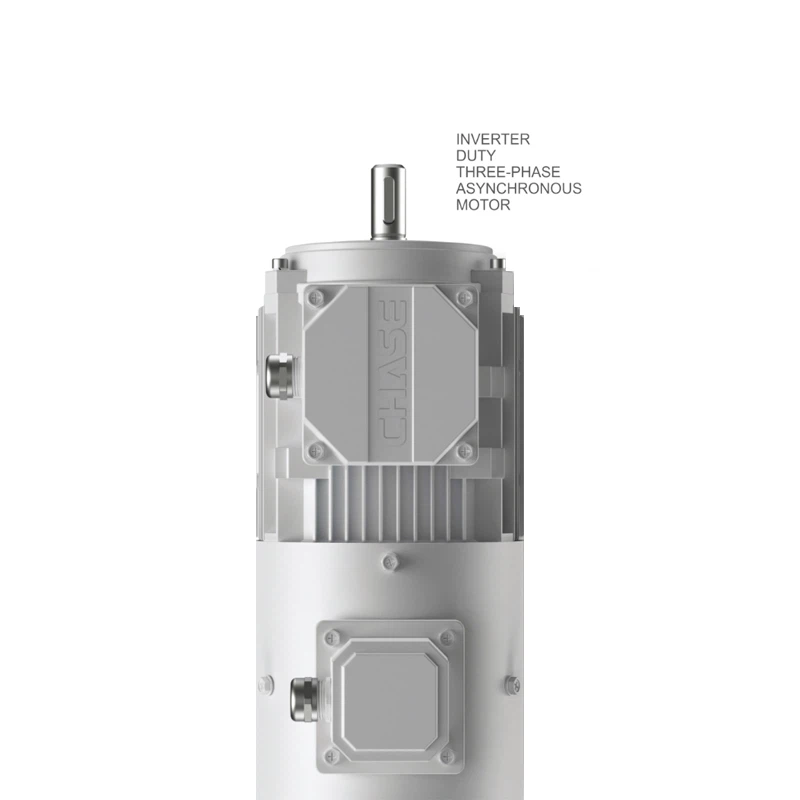
Inverter Duty Motors are designed to work with variable frequency drives (VFDs). When operated with a VFD, these motors can produce high - frequency noise due to the switching action of the inverter. The noise can be in the form of audible whistles or high - pitched tones, which can be quite annoying in a working environment. IE4 Electric Motors, on the other hand, are often designed to be more compatible with VFDs. They are equipped with features such as improved insulation and optimized winding designs to reduce the high - frequency noise generated by the inverter.
Factors Affecting the Noise of IE4 Electric Motors
Several factors can influence the noise levels of IE4 Electric Motors during operation.
Magnetic Design
The magnetic design of the motor plays a significant role in noise production. In IE4 motors, the use of high - quality magnetic materials and optimized stator and rotor geometries can reduce the magnetic forces that cause noise. For example, the shape and arrangement of the stator slots can be designed to minimize the magnetic flux ripple, which is a major source of magnetic noise. Additionally, the use of low - loss magnetic materials can reduce the eddy current losses, which in turn can reduce the heat generation and associated noise.
Mechanical Design
The mechanical components of the motor, such as the bearings, shafts, and cooling fans, also contribute to the noise. High - quality bearings with low friction and good damping characteristics can reduce the mechanical noise caused by the rotation of the shaft. The shaft should be well - balanced to minimize vibrations, which can propagate as noise. The cooling fan, which is used to dissipate heat from the motor, can also be a source of noise. In IE4 motors, the fan design is often optimized to reduce the noise while maintaining efficient cooling. For example, the fan blades can be designed with a special shape to reduce the air turbulence and noise.
Operating Conditions
The operating conditions of the motor can also affect its noise levels. For instance, when the motor is overloaded, it may produce more noise due to increased magnetic and mechanical stresses. The speed of the motor also has an impact on the noise. Generally, higher speeds can result in more noise, especially from the cooling fan and the mechanical components. Additionally, the ambient temperature and humidity can affect the performance of the motor and potentially increase the noise levels.
Measuring the Noise of IE4 Electric Motors
To accurately assess the noise levels of IE4 Electric Motors, standardized measurement methods are used. The most common method is to measure the sound pressure level (SPL) in decibels (dB) at a specific distance from the motor. The measurement is usually taken in a semi - anechoic chamber or a quiet industrial environment to minimize the background noise.
The noise levels of IE4 Electric Motors are typically specified in the motor's technical documentation. The values are usually given for different operating speeds and load conditions. For example, a motor may have a noise level of 65 dB(A) at full load and rated speed. The "A" weighting is used to approximate the human ear's response to different frequencies of sound, making the measurement more relevant to the perceived noise.
Reducing the Noise of IE4 Electric Motors
If the noise levels of an IE4 Electric Motor are still a concern, there are several measures that can be taken to reduce the noise.
Isolation
One of the simplest ways to reduce the noise is to isolate the motor from its surroundings. This can be done by using vibration - isolating mounts or pads. These mounts can absorb the vibrations from the motor and prevent them from being transmitted to the floor or other structures, which can reduce the overall noise in the environment.
Enclosure
A motor enclosure can also be used to reduce the noise. The enclosure can be made of sound - absorbing materials, such as fiberglass or acoustic foam. The enclosure should be designed to allow for proper ventilation to prevent overheating of the motor. Additionally, the enclosure can be sealed to prevent the noise from escaping.
Maintenance
Regular maintenance of the motor is essential to keep the noise levels low. This includes checking and lubricating the bearings, ensuring the shaft is properly aligned, and cleaning the cooling fan. A well - maintained motor is less likely to produce excessive noise due to mechanical wear and tear.

Conclusion
In conclusion, IE4 Electric Motors are designed to be relatively quiet during operation compared to other motor types. Their advanced magnetic and mechanical designs, along with their compatibility with VFDs, contribute to lower noise levels. However, factors such as magnetic design, mechanical components, and operating conditions can still affect the noise. By understanding these factors and taking appropriate measures, such as isolation, enclosure, and maintenance, the noise levels of IE4 Electric Motors can be further reduced.
If you are interested in purchasing IE4 Electric Motors or have any questions about their noise performance, please feel free to contact us for a detailed discussion. We are committed to providing high - quality motors that meet your specific requirements while ensuring a quiet and efficient working environment.
References
- "Electric Motor Handbook", Third Edition, by Arnold Tustin
- "Noise and Vibration Analysis of Electric Motors", IEEE Transactions on Industry Applications