As a supplier of swimming pool pumps, I've witnessed firsthand the intricate relationship between water temperature and the performance of these essential devices. Understanding how water temperature affects a swimming pool pump is crucial for both pool owners and industry professionals. In this blog, I'll delve into the science behind this relationship, exploring the various ways in which temperature can impact pump efficiency, durability, and overall performance.
The Basics of Swimming Pool Pumps
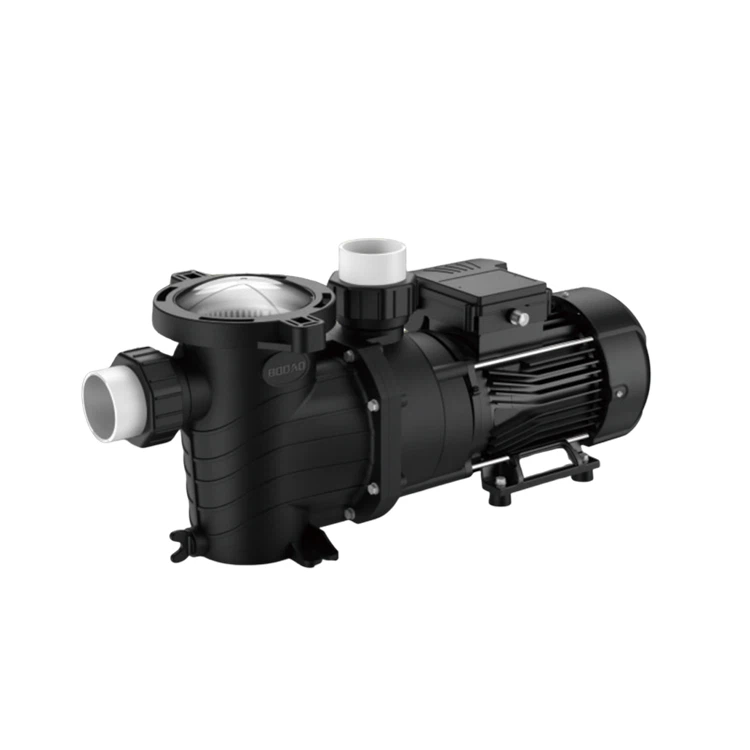
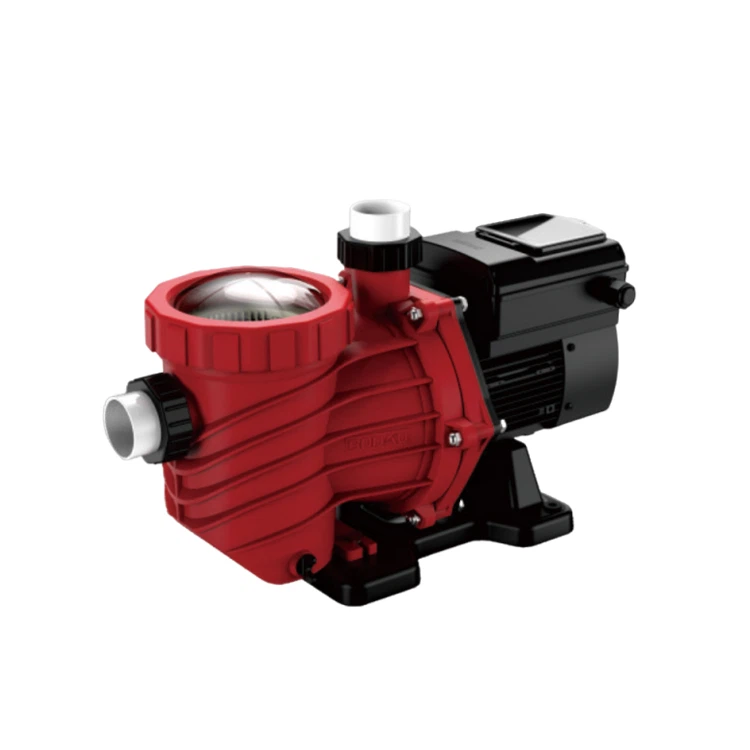
Before we dive into the effects of water temperature, let's briefly review the basics of swimming pool pumps. A swimming pool pump is responsible for circulating water through the pool's filtration system, removing debris, contaminants, and chemicals to keep the water clean and clear. There are several types of swimming pool pumps available on the market, including Circulating Pool Pump, Variable Frequency Pool Pump, and 220V Pool Pump. Each type of pump has its own unique features and benefits, but they all share the common goal of maintaining proper water circulation in the pool.
How Water Temperature Affects Pump Efficiency
One of the primary ways in which water temperature affects a swimming pool pump is by altering the viscosity of the water. Viscosity is a measure of a fluid's resistance to flow, and it is directly related to temperature. As water temperature increases, its viscosity decreases, which means that the water flows more easily through the pump. This can have a significant impact on pump efficiency, as a lower viscosity requires less energy to move the water through the system.
Conversely, when water temperature decreases, its viscosity increases, making it more difficult for the pump to move the water. This can result in decreased pump efficiency, as the pump has to work harder to overcome the increased resistance. In extreme cases, cold water can cause the pump to overheat or even fail, as the motor is forced to work beyond its designed capacity.
The Impact of Water Temperature on Pump Durability
In addition to affecting pump efficiency, water temperature can also have a significant impact on pump durability. High water temperatures can cause the pump's components to expand, which can lead to increased wear and tear on the seals, gaskets, and other moving parts. Over time, this can cause the pump to leak or malfunction, reducing its lifespan and requiring costly repairs or replacements.
On the other hand, low water temperatures can cause the pump's components to contract, which can also lead to increased wear and tear. Cold water can also cause the pump's lubricants to thicken, reducing their effectiveness and increasing the risk of damage to the motor and other components. In extreme cases, freezing water can cause the pump to crack or burst, rendering it completely useless.
Other Factors Affected by Water Temperature
In addition to efficiency and durability, water temperature can also affect other aspects of a swimming pool pump's performance. For example, high water temperatures can increase the growth of algae and other microorganisms in the pool, which can clog the pump's filter and reduce its effectiveness. This can lead to decreased water circulation and increased chemical usage, as the pool owner has to work harder to keep the water clean and clear.
Low water temperatures, on the other hand, can cause the pool's chemicals to become less effective, as they are less likely to dissolve in cold water. This can lead to imbalanced water chemistry, which can cause skin and eye irritation, as well as damage to the pool's surfaces and equipment.
Tips for Maintaining Optimal Pump Performance in Different Water Temperatures
To ensure optimal pump performance in different water temperatures, it's important to take a few simple steps. Here are some tips to help you keep your swimming pool pump running smoothly:
- Monitor water temperature regularly: Use a pool thermometer to monitor the water temperature on a regular basis. This will help you identify any significant changes in temperature and take appropriate action to maintain optimal pump performance.
- Adjust pump settings as needed: If you notice a significant change in water temperature, adjust the pump settings accordingly. For example, if the water temperature is high, you may need to increase the pump's speed to maintain proper water circulation. Conversely, if the water temperature is low, you may need to decrease the pump's speed to prevent overheating.
- Keep the pump clean and well-maintained: Regularly clean the pump's filter and other components to prevent clogs and reduce the risk of damage. Follow the manufacturer's recommended maintenance schedule to ensure that the pump is properly lubricated and serviced.
- Use a pool cover: A pool cover can help to regulate the water temperature and reduce the amount of debris and contaminants that enter the pool. This can help to extend the lifespan of the pump and reduce the need for frequent maintenance.
Conclusion
In conclusion, water temperature plays a crucial role in the performance of a swimming pool pump. By understanding how water temperature affects pump efficiency, durability, and overall performance, pool owners and industry professionals can take the necessary steps to maintain optimal pump performance in different water temperatures. Whether you're using a Circulating Pool Pump, Variable Frequency Pool Pump, or 220V Pool Pump, it's important to monitor the water temperature regularly and take appropriate action to ensure that the pump is running smoothly.
If you're in the market for a new swimming pool pump or need assistance with pump maintenance and repair, please don't hesitate to contact us. Our team of experts is here to help you find the right pump for your needs and ensure that it performs at its best for years to come.
References
- ASPE. (2016). Plumbing Engineering Design Handbook. American Society of Plumbing Engineers.
- Hayward Industries. (2021). Pool Pump Installation and Operation Manual. Hayward Industries.
- Pentair. (2021). Pool Pump Owner's Manual. Pentair.