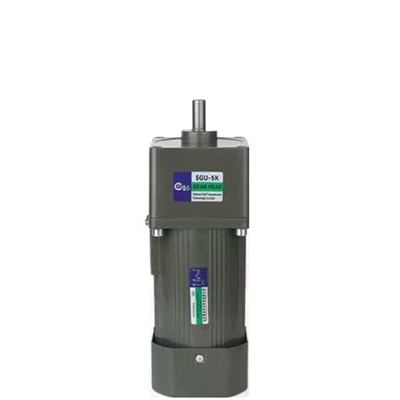
As a supplier of IE4 Electric Motors, I am often asked about how these motors operate in dusty environments. Dusty conditions can pose significant challenges to the performance and longevity of electric motors, but the IE4 Electric Motor is designed to overcome these obstacles effectively. In this blog, I will delve into the operational mechanisms of the IE4 Electric Motor in dusty environments, highlighting its features and advantages.
Understanding the Challenges of Dusty Environments
Dust is a common pollutant in many industrial settings, such as mining, cement production, and construction. When dust particles enter an electric motor, they can cause a variety of problems. Firstly, dust can accumulate on the motor's windings, reducing the motor's insulation resistance and increasing the risk of electrical short - circuits. Secondly, dust can clog the cooling channels of the motor, leading to overheating. Overheating not only reduces the motor's efficiency but also shortens its lifespan. Additionally, abrasive dust particles can cause wear and tear on the motor's bearings and other moving parts, resulting in mechanical failures.
Design Features of IE4 Electric Motors for Dusty Environments
Enclosure Design
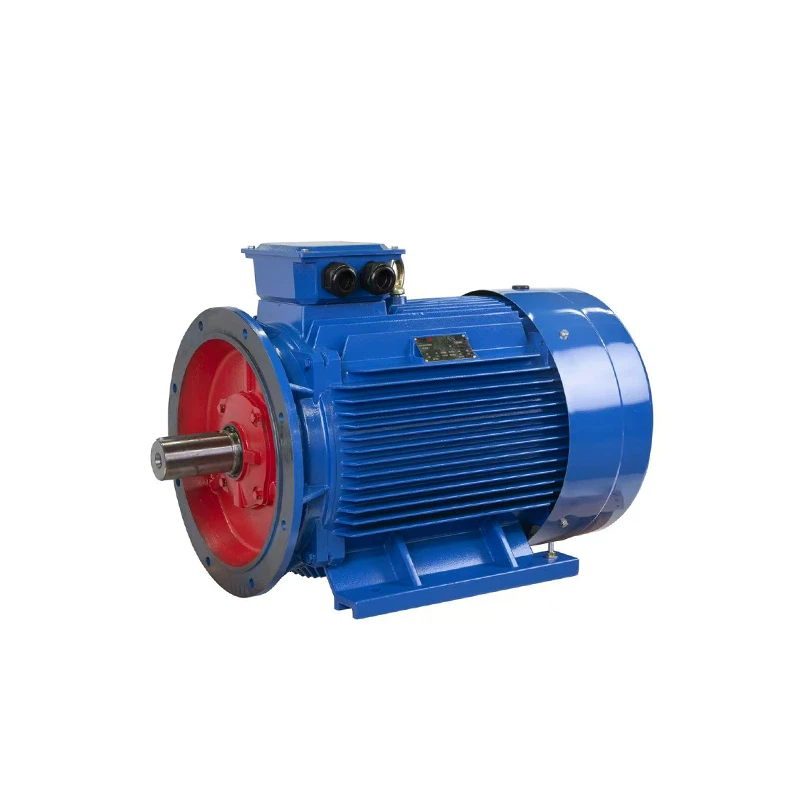
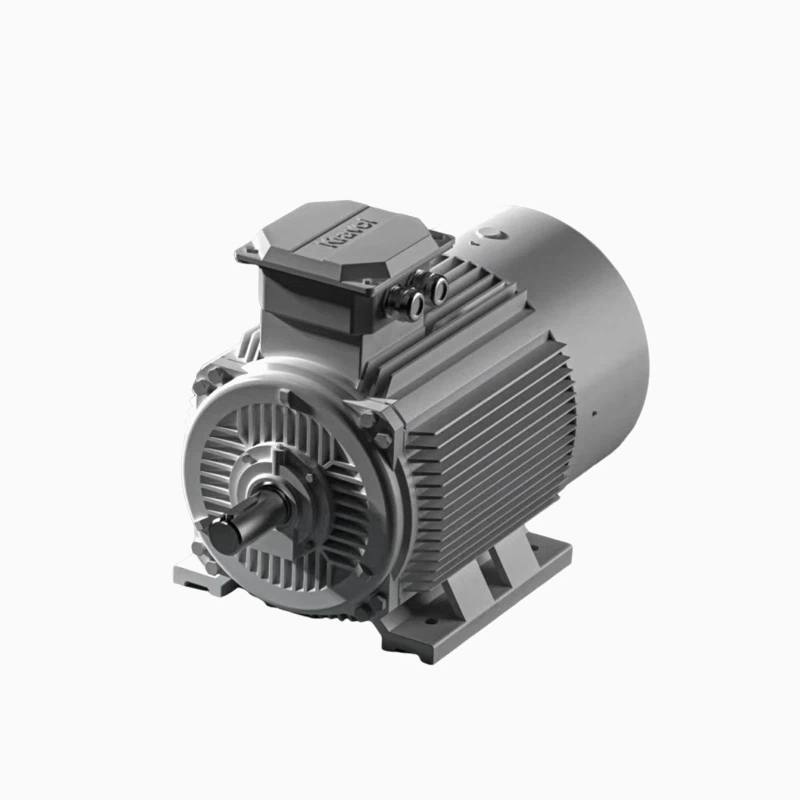
IE4 Electric Motors are typically equipped with robust enclosures. These enclosures are designed to prevent dust from entering the motor's internal components. For example, many IE4 motors use an IP (Ingress Protection) rating system. A high IP rating, such as IP55 or IP66, indicates that the motor is well - protected against dust ingress. An IP55 - rated motor is protected against the ingress of dust to a degree that is not likely to interfere with the satisfactory operation of the equipment, while an IP66 - rated motor is completely protected against dust ingress.
Cooling System
The cooling system of an IE4 Electric Motor is also designed to work efficiently in dusty environments. Unlike some older motor models, such as the IE2 Electric Motor or the IE1 Three Phase Motor, which may have open cooling channels that are more prone to dust clogging, IE4 motors often use advanced cooling technologies. For instance, some IE4 motors feature a closed - loop cooling system. In this system, the coolant circulates within a sealed circuit, reducing the risk of dust contamination. This helps to maintain a stable operating temperature, even in dusty conditions.
Bearing Protection
Bearings are critical components in an electric motor, and they are particularly vulnerable to dust damage. IE4 Electric Motors are designed with enhanced bearing protection. Special seals are used to prevent dust from reaching the bearings. These seals are made of high - quality materials that can withstand the abrasive action of dust particles. Additionally, the bearings themselves are often made of high - grade materials with excellent wear resistance, ensuring smooth operation even in dusty environments.
Operational Advantages of IE4 Electric Motors in Dusty Environments
High Efficiency
One of the key advantages of IE4 Electric Motors is their high efficiency. Even in dusty environments, these motors can maintain a high level of efficiency. The advanced design and high - quality materials used in IE4 motors reduce energy losses due to factors such as friction and heat generation. This means that the motor can convert a larger proportion of the electrical energy it consumes into mechanical energy, resulting in lower energy costs for the user.
Reliability
IE4 Electric Motors are known for their reliability in dusty environments. The robust design and protective features mentioned above reduce the risk of motor failures. This is in contrast to older motor models like the Y2 Three Phase Motor, which may be more prone to breakdowns in dusty conditions. With an IE4 motor, users can expect fewer maintenance requirements and less downtime, improving overall productivity.
Long Lifespan
The combination of effective dust protection and high - quality components gives IE4 Electric Motors a longer lifespan compared to other motors. By preventing dust - related damage to the motor's internal components, the motor can operate for a longer period without significant degradation in performance. This reduces the need for frequent motor replacements, resulting in cost savings for the user over the long term.
Maintenance Tips for IE4 Electric Motors in Dusty Environments
While IE4 Electric Motors are designed to operate effectively in dusty environments, regular maintenance is still essential to ensure optimal performance.
Regular Inspection
It is important to regularly inspect the motor's enclosure for any signs of dust accumulation or damage. Check the seals and gaskets to ensure they are intact. Any damaged seals should be replaced immediately to prevent dust from entering the motor.
Cleaning
Periodic cleaning of the motor's exterior can help to remove dust that has accumulated on the surface. However, care should be taken not to use high - pressure water or abrasive cleaners, as these can damage the motor's finish and protective coatings. For the internal components, if the motor has accessible inspection ports, a visual inspection can be carried out to check for any dust buildup. In some cases, professional cleaning services may be required.
Lubrication
Proper lubrication of the bearings is crucial. In dusty environments, the lubricant can become contaminated more quickly. Therefore, it is important to follow the manufacturer's recommendations for lubricant replacement intervals. Using high - quality lubricants that are resistant to dust contamination can also help to extend the life of the bearings.
Conclusion
In conclusion, IE4 Electric Motors are well - suited for operation in dusty environments. Their advanced design features, such as robust enclosures, efficient cooling systems, and enhanced bearing protection, enable them to overcome the challenges posed by dust. The high efficiency, reliability, and long lifespan of IE4 motors make them a cost - effective choice for users in industries where dust is a common problem.
If you are interested in learning more about our IE4 Electric Motors or are considering a purchase for your specific application, we encourage you to reach out for a detailed discussion. Our team of experts is ready to provide you with the information and support you need to make an informed decision.
References
- “Electric Motor Handbook”, published by Elsevier
- Industry standards and guidelines related to electric motor design and operation in harsh environments.