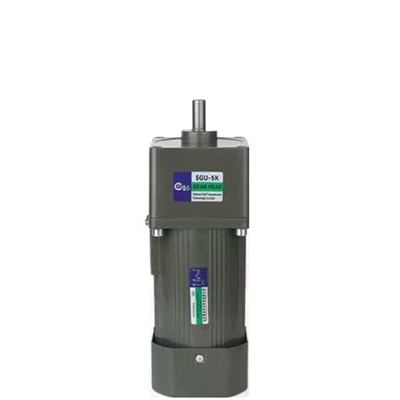
Let's face it, a malfunctioning swimming pool pump is a real headache for any pool owner. As a seasoned swimming pool pump supplier, I've seen it all. In this blog, I'll walk you through the common reasons why your swimming pool pump might not be working and offer some practical solutions.
Power Issues
One of the most basic yet often overlooked reasons for a non - functioning pool pump is a power problem. First, check if the pump is properly plugged in. Sounds simple, but it happens more often than you'd think. A loose plug can disrupt the power supply, leaving your pump dead in the water.
Next, examine the circuit breaker. If the breaker has tripped, it could be due to an electrical short or an overload. Reset the breaker and see if the pump starts. However, if it trips again immediately, there's likely a more serious electrical issue at play. In this case, it's best to call a licensed electrician. They have the expertise to diagnose and fix complex electrical problems safely.
Blocked Impeller
The impeller is a crucial component of your pool pump. It's responsible for drawing water into the pump and pushing it through the system. Over time, debris such as leaves, twigs, and small stones can get stuck in the impeller, preventing it from rotating properly.
To check for a blocked impeller, first, turn off the power to the pump. Then, remove the pump lid carefully. You should be able to see the impeller. If there's debris, use a pair of pliers or a small brush to gently remove it. Be careful not to damage the impeller blades during this process. Once the impeller is clear, reassemble the pump and turn the power back on.
Clogged Filter
A clogged filter can also cause your pool pump to malfunction. The filter's job is to trap dirt and debris from the water, but when it becomes too full, it restricts the water flow. This can put extra strain on the pump, causing it to overheat or shut down.
There are different types of filters, such as sand filters, cartridge filters, and diatomaceous earth (DE) filters. Each type requires a different cleaning method. For sand filters, you can backwash the filter to remove the trapped debris. Cartridge filters need to be removed and hosed down thoroughly. DE filters should be disassembled and cleaned according to the manufacturer's instructions.
Air Leaks
Air leaks in the pump system can also lead to problems. If air is entering the pump, it can cause cavitation, which is when air bubbles form and collapse inside the pump. This can damage the impeller and other pump components over time.
Check the pump seals, unions, and hoses for any signs of leakage. A common place to look for air leaks is around the pump lid O - ring. If the O - ring is damaged or worn out, replace it. You may also need to tighten the unions and connections to prevent air from entering the system.
Motor Problems
The motor is the heart of the pool pump, and any issues with it can cause the pump to stop working. A common motor problem is overheating. This can be due to a variety of reasons, such as a blocked ventilation system, a faulty capacitor, or over - working the motor.
If the motor is overheating, turn off the pump immediately and let it cool down. Check the ventilation holes in the motor housing to make sure they are clear. If the problem persists, it could be a faulty capacitor. A capacitor stores electrical energy and helps the motor start and run smoothly. You'll need a professional to test and replace the capacitor if necessary.
Another motor issue could be a worn - out bearing. A noisy motor or a motor that vibrates excessively could be a sign of a bad bearing. Replacing a bearing is a more complex job and should be done by a professional.
Incorrect Pump Size or Type
Sometimes, the problem might be that the pump you have is not the right size or type for your pool. If the pump is too small, it won't be able to circulate the water effectively. On the other hand, an oversized pump can waste energy and put unnecessary stress on the pool system.
When choosing a pool pump, consider the size of your pool, the flow rate requirements, and your budget. For more energy - efficient options, you might want to consider a Variable Frequency Pool Pump. These pumps can adjust their speed according to the pool's needs, saving you money on energy costs in the long run. Two Speed Pool Pump also offers flexibility as they can run at a lower speed for normal filtration and a higher speed for tasks like vacuuming. And if you're looking for a pump that can operate on a standard household outlet, a 110V Pool Pump could be a good choice.
Worn - Out Components
Over time, the various components of your pool pump may wear out. This includes the impeller, seals, gaskets, and motor brushes. Regular maintenance can help you identify and replace these components before they cause a complete pump failure.
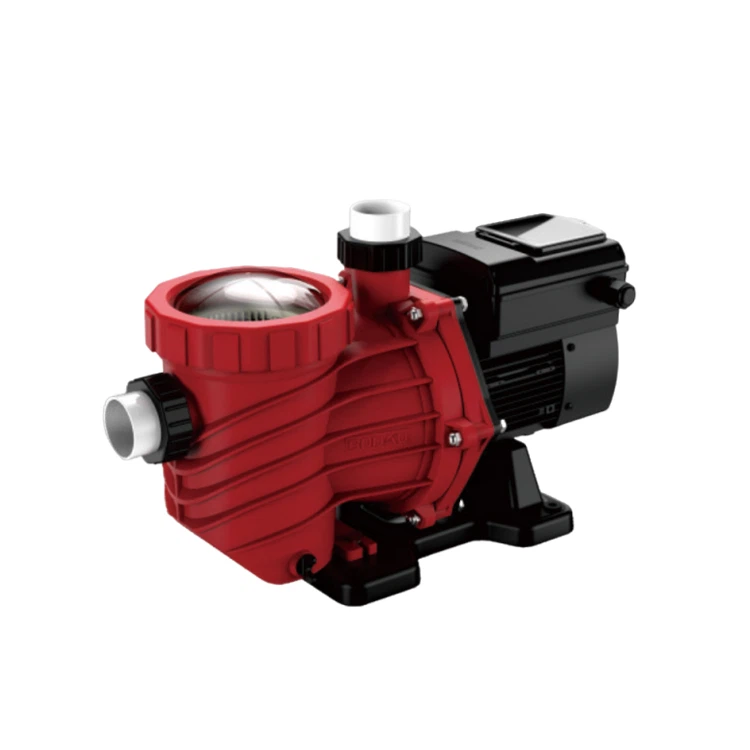
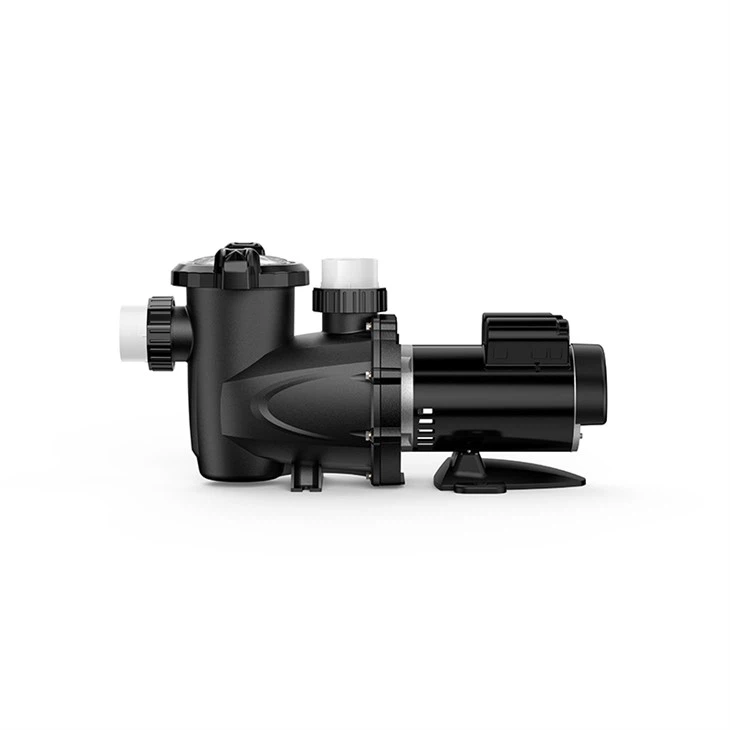
Inspect your pump regularly for signs of wear and tear. Replace any worn - out components as soon as possible to keep your pump running smoothly. You can find replacement parts for most pool pumps at your local pool supply store or online.
Chemical Damage
Pool chemicals are essential for keeping the water clean and safe, but if used incorrectly, they can damage the pump. Chlorine and other chemicals can corrode the pump housing, impeller, and other metal components over time.
Make sure you're following the proper chemical dosing instructions for your pool. Test the water regularly to ensure the chemical levels are within the recommended range. If you suspect chemical damage, you may need to have the affected parts replaced.
Low Water Level
A low water level in the pool can also cause problems for the pump. If the water level is too low, the pump may suck in air instead of water, leading to cavitation and pump damage.
Check the water level in your pool regularly and keep it at the recommended level. If the water level is low, add water to the pool until it reaches the proper height.
Conclusion
As you can see, there are many reasons why your swimming pool pump might not be working. By understanding these common issues and performing regular maintenance, you can keep your pump in good working condition and enjoy a clean and healthy pool.
If you're experiencing persistent problems with your pool pump or if you're in the market for a new one, don't hesitate to reach out. As a swimming pool pump supplier, we have a wide range of high - quality pumps to meet your needs. Contact us to discuss your requirements and let's find the perfect pool pump solution together.
References
- "Swimming Pool and Spa Equipment Handbook"
- Manufacturer's manuals for various pool pumps