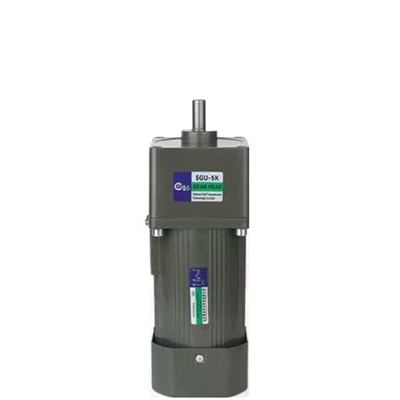
Priming a spa pump is a crucial maintenance task that ensures your spa operates efficiently and effectively. As a trusted spa pump supplier, I understand the importance of proper priming and its impact on the overall performance of your spa. In this blog post, I'll guide you through the process of priming a spa pump, providing you with detailed steps and valuable tips to help you get the most out of your spa experience.
Why Priming a Spa Pump is Necessary
Before diving into the priming process, let's first understand why it's necessary. A spa pump circulates water through the spa's filtration system, heating elements, and jets, ensuring that the water remains clean, warm, and aerated. When a spa pump loses its prime, air enters the system, preventing the pump from effectively moving water. This can lead to a variety of issues, including reduced water flow, inefficient heating, and damage to the pump motor. By priming the spa pump regularly, you can prevent these problems and keep your spa running smoothly.
Tools and Materials You'll Need
To prime your spa pump, you'll need the following tools and materials:
- A garden hose
- A bucket
- A screwdriver (if necessary)
- A pair of pliers (if necessary)
- Spa pump lubricant (optional)
Step-by-Step Guide to Priming a Spa Pump
Now that you have the necessary tools and materials, let's walk through the process of priming a spa pump:
Step 1: Turn Off the Spa
Before you begin priming the spa pump, it's important to turn off the power to the spa. This will prevent any electrical accidents and ensure your safety. Locate the circuit breaker or switch that controls the spa and turn it off.
Step 2: Locate the Pump Strainer Basket
The pump strainer basket is a small container located near the spa pump. It collects debris and prevents it from entering the pump. Remove the lid of the strainer basket and check for any debris or blockages. If you find any debris, remove it and clean the strainer basket thoroughly.
Step 3: Fill the Strainer Basket with Water
Once the strainer basket is clean, fill it with water using a garden hose or a bucket. Make sure the water level is above the inlet of the pump. This will help to prime the pump and remove any air from the system.
Step 4: Check the Pump Impeller
The pump impeller is a rotating component inside the pump that helps to move water through the system. If the impeller is blocked or damaged, it can prevent the pump from priming properly. To check the impeller, remove the pump housing cover using a screwdriver or pliers. Inspect the impeller for any debris or damage. If you find any debris, remove it and clean the impeller thoroughly. If the impeller is damaged, you may need to replace it.
Step 5: Lubricate the Pump Seal (Optional)
If your spa pump has a mechanical seal, you may want to lubricate it with spa pump lubricant. This will help to prevent leaks and ensure the pump operates smoothly. Apply a small amount of lubricant to the seal and reassemble the pump housing cover.
Step 6: Prime the Pump
Once you have filled the strainer basket with water and checked the pump impeller, it's time to prime the pump. To do this, turn on the power to the spa and let the pump run for a few minutes. As the pump runs, it will draw water from the strainer basket and into the system, removing any air from the lines. You may hear some gurgling or bubbling sounds as the air is being removed. This is normal and indicates that the pump is priming properly.
Step 7: Check the Water Flow
After the pump has been running for a few minutes, check the water flow from the spa jets. If the water flow is weak or inconsistent, the pump may not be primed properly. In this case, turn off the power to the spa and repeat the priming process.
Step 8: Monitor the Pump
Once the pump is primed and the water flow is normal, monitor the pump for a few hours to ensure it continues to operate properly. Check the water level in the spa regularly and add water as needed to maintain the proper level.


Tips for Priming a Spa Pump
- Use a Garden Hose: Using a garden hose to fill the strainer basket with water is the easiest and most efficient way to prime the pump. Make sure the hose is securely attached to the faucet and the strainer basket to prevent any leaks.
- Check the Pump Pressure: If the pump pressure is too high or too low, it can indicate a problem with the pump or the plumbing system. Use a pressure gauge to check the pump pressure and adjust it as needed.
- Clean the Filter Regularly: A dirty filter can restrict water flow and prevent the pump from priming properly. Clean the filter regularly to ensure it is functioning properly.
- Use Spa Pump Lubricant: Using spa pump lubricant can help to prevent leaks and ensure the pump operates smoothly. Apply a small amount of lubricant to the pump seal and impeller regularly.
- Follow the Manufacturer's Instructions: Always follow the manufacturer's instructions when priming your spa pump. Different models of spa pumps may have different priming procedures, so it's important to read the manual carefully.
Conclusion
Priming a spa pump is a simple but important maintenance task that can help to ensure your spa operates efficiently and effectively. By following the steps outlined in this blog post and using the tips provided, you can prime your spa pump quickly and easily. If you have any questions or need further assistance, please don't hesitate to contact us. We're here to help you get the most out of your spa experience.
As a leading spa pump supplier, we offer a wide range of high-quality Electric SPA Pump, SPA Circulation Pump, and Multifunctional SPA Pump to meet your specific needs. Our pumps are designed to provide reliable performance and long-lasting durability, ensuring that your spa operates smoothly for years to come. If you're interested in purchasing a spa pump or have any questions about our products, please contact us today to discuss your options and get a quote.
References
- Spa Pump Manufacturer's Manuals
- Spa Maintenance Guides