What voltage does a QD Submersible Pump require?
As a longtime supplier of QD Submersible Pumps, I've encountered numerous inquiries regarding the required voltage for these pumps. Understanding the voltage requirements is crucial for the proper operation, safety, and efficiency of the equipment. In this blog post, I'll delve into the intricacies of QD Submersible Pump voltage requirements and provide you with comprehensive information to aid in your decision - making process.
Standard Voltage Requirements
QD Submersible Pumps are designed to be used in a variety of applications, from residential water supply systems to small - scale agricultural irrigation. In most cases, these pumps are configured to operate on standard household or industrial voltages.
For domestic use, the majority of QD Submersible Pumps are engineered to work with a single - phase 220 - 240V power supply. This is the standard voltage level available in most residential electrical systems around the world. When you use a QD Submersible Pump at home, say for a basement sump or a small water feature, it can easily be connected to your existing electrical outlets with the appropriate wiring and safety protections in place.
In industrial or larger - scale settings, three - phase power supplies are often utilized. Many QD Submersible Pumps can be designed to operate on three - phase 380V - 415V. These pumps are used in more heavy - duty applications such as draining large construction sites or supplying water to commercial buildings. The three - phase power provides a more stable and powerful energy source, allowing the pump to handle larger volumes of water and higher heads more efficiently.
Factors Affecting Voltage Requirements
The voltage requirements of a QD Submersible Pump are not solely determined by the general classification of the application. Several factors can have an impact on the specific voltage needed:
- Pump Power and Size: Larger pumps with higher power ratings typically require higher voltages. A small QD Submersible Pump with a power of 0.5 horsepower (HP) may operate well on a 220V single - phase supply. In contrast, a 5 - HP or 10 - HP pump will likely need a three - phase 380V or higher power source to function properly. The power rating of the pump is directly related to its ability to move water, and more power means more energy is required, which often translates to a higher voltage.
- Head and Flow Rate: The head, which refers to the height that the pump needs to lift the water, and the flow rate, the volume of water moved per unit of time, also play a role. If you need to pump water to a greater height or at a higher flow rate, a pump with more power will be necessary. This, in turn, may require a higher voltage to supply the additional energy needed for the increased workload.
- Environmental Conditions: Harsh environmental conditions can affect the efficiency of the pump motor. In some cases, a pump operating in a hot or humid environment may require additional voltage to maintain its performance. High temperatures can reduce the motor's efficiency, and a higher voltage may be needed to compensate for the power losses.
Choosing the Right Voltage for Your QD Submersible Pump
Selecting the correct voltage for your QD Submersible Pump is essential for optimal performance and longevity. Here are some steps to help you make the right choice:
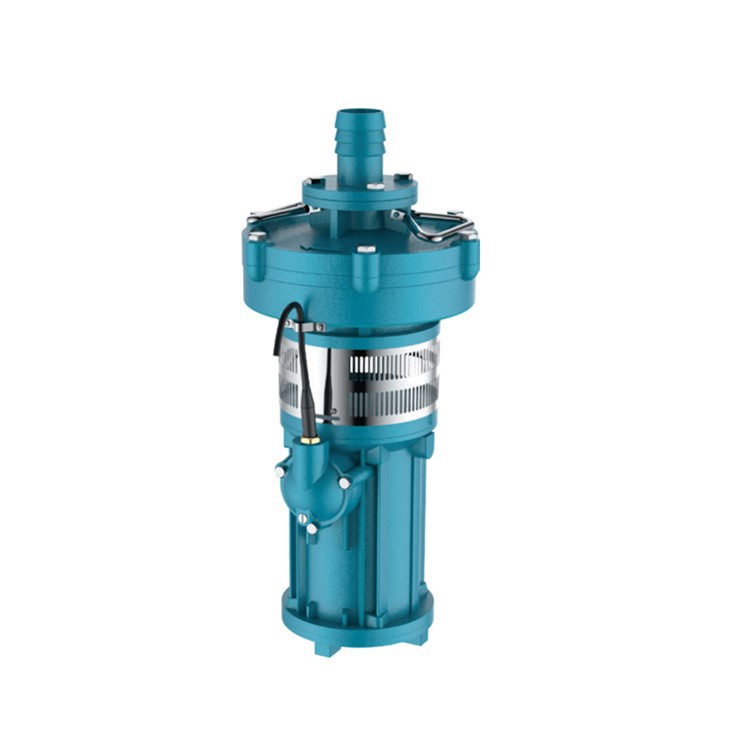

- Assess Your Application: Clearly define the purpose of the pump. Determine if it is for a small residential task or a large - scale industrial project. Consider the head and flow rate requirements of your specific situation. For example, if you are using the pump to supply water to a multi - story building, you'll need to calculate the vertical distance the water needs to travel and the amount of water required on each floor.
- Check Your Power Supply: Examine the electrical infrastructure available at your location. If you are in a residential area, you'll typically have a single - phase 220 - 240V supply. In an industrial or commercial setting, you may have access to three - phase power. Ensure that the power supply can provide the necessary voltage and amperage for the pump.
- Consult with the Manufacturer or Supplier: As a supplier of QD Submersible Pumps, I'm always available to assist customers in selecting the right pump with the appropriate voltage. Manufacturers can provide detailed technical specifications and guidance based on your specific requirements. They can also offer advice on wiring, installation, and maintenance to ensure safe and efficient operation.
Other Types of Submersible Pumps and Their Voltages
In addition to QD Submersible Pumps, there are also other types of submersible pumps such as QDX Submersible Pump and QY Submersible Pump.
QDX Submersible Pumps have similar voltage requirements to QD pumps. They are often used for clean water applications and are available in both single - phase and three - phase versions depending on the power and application needs.
QY Submersible Pumps are another option. These pumps are also designed to operate on standard voltages. They are suitable for different applications, and like QD and QDX pumps, the voltage selection should be based on factors such as power, head, and flow rate.
Importance of Correct Voltage in Pump Operation
Using the correct voltage is not just about ensuring proper performance. It is also crucial for the safety and longevity of the pump.
If the voltage supplied is too low, the pump may not have enough power to operate at its full capacity. The motor may run slower, resulting in a reduced flow rate and a lower head. In some cases, the motor may overheat because it has to work harder to move the water. Overheating can lead to premature wear of the motor components, insulation breakdown, and eventually, motor failure.
Conversely, if the voltage is too high, it can cause excessive current to flow through the motor windings. This can lead to overheating, short - circuits, and damage to the electrical components of the pump. High voltages can also cause the pump to operate at a higher speed than designed, which can increase wear and tear on the impeller and other moving parts.
Contact Us for Your QD Submersible Pump Needs
If you're in the market for a QD Submersible Pump or need more information about its voltage requirements, feel free to contact us. Our team of experts is ready to assist you in choosing the right pump for your specific application. We can provide you with detailed product specifications, guidance on installation and maintenance, and answer any questions you may have. Making the right choice in terms of pump and voltage will ensure reliable and efficient water - handling solutions for your needs.
References
- Pump Handbook, 4th Edition. Karassik, I. J., Messina, J. P., Cooper, P. T., & Heald, C. C.
- Submersible Pump Technology: Principles and Applications. Various industry whitepapers and technical documents from leading pump manufacturers.