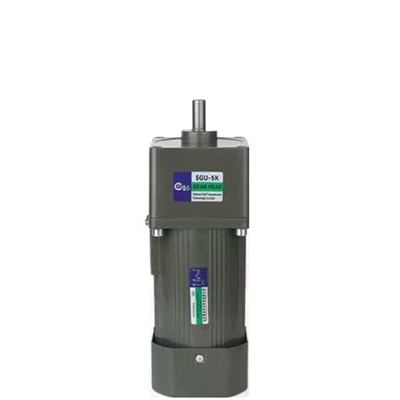
Hey there! As a supplier of IE2 Electric Motors, I often get asked about the harmonic distortion levels of these motors. So, I thought I'd take a moment to break it down for you in plain English.
First off, let's talk about what harmonic distortion is. In simple terms, it's the deviation of a periodic waveform from a pure sine wave. When an electric motor operates, it draws current from the power supply. Ideally, this current would be a perfect sine wave. But in reality, due to the non - linear characteristics of the motor's components, the current waveform can get distorted.
Harmonic distortion is measured in terms of Total Harmonic Distortion (THD), which is expressed as a percentage. A lower THD means less distortion and a cleaner current waveform.
Now, let's get into the harmonic distortion levels of IE2 Electric Motors. IE2 motors are known for their energy efficiency. They're designed to meet certain international standards that not only focus on energy consumption but also on other performance parameters, including harmonic distortion.
Compared to older, less efficient motor designs, IE2 Electric Motors generally have lower harmonic distortion levels. This is because they use better materials and more advanced manufacturing techniques. For example, the windings in an IE2 motor are often made with high - quality copper, which has better electrical conductivity. This helps in reducing the non - linear effects that can cause harmonic distortion.
The magnetic circuits in IE2 motors are also optimized. They're designed to minimize the magnetic losses and eddy currents, which can contribute to harmonic distortion. The use of high - grade magnetic materials ensures that the magnetic field in the motor is more uniform, resulting in a more sinusoidal current waveform.
However, the actual harmonic distortion levels of an IE2 Electric Motor can vary depending on several factors. One of the main factors is the load on the motor. When an IE2 motor is operating at a light load, the harmonic distortion levels are usually lower. As the load increases, the current drawn by the motor also increases, and the chances of harmonic distortion becoming more significant go up.
Another factor is the power supply quality. If the power supply has a lot of harmonics itself, it can exacerbate the harmonic distortion in the motor. For instance, if there are other non - linear loads connected to the same power grid, such as variable - frequency drives or electronic ballasts, they can introduce harmonics into the power supply, which the IE2 motor has to deal with.
The type of IE2 motor also plays a role. For example, Cast Iron Three Phase Motor and Aluminium Electric Motor have different physical characteristics. Cast iron motors are generally more robust and can handle higher loads, but they may have slightly different harmonic distortion profiles compared to aluminium motors, which are lighter and more suitable for some specific applications.
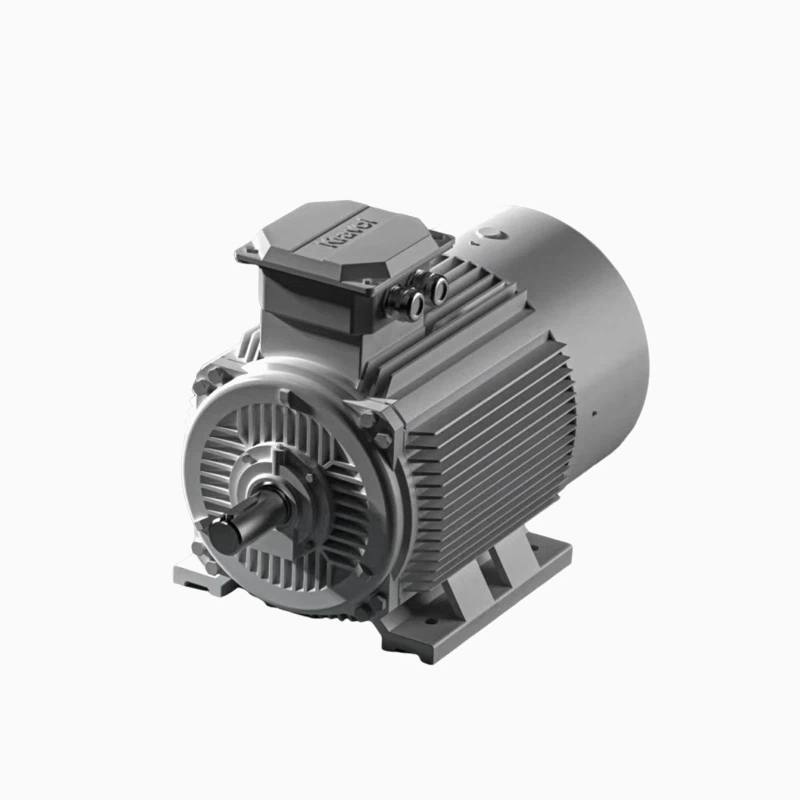

In most cases, the harmonic distortion levels of IE2 Electric Motors are within acceptable limits set by international standards. For example, the International Electrotechnical Commission (IEC) has standards that define the maximum allowable harmonic distortion for electric motors. Most IE2 motors are designed to meet or even exceed these standards, ensuring that they can operate safely and efficiently in a wide range of electrical systems.
If you're concerned about the harmonic distortion levels of an IE2 Electric Motor for your specific application, it's a good idea to look at the motor's technical specifications. These specifications usually include information about the THD at different load levels. You can also consult with a motor expert or an electrical engineer who can help you analyze the situation and determine if the motor's harmonic distortion levels are suitable for your needs.
As a supplier of IE2 Electric Motor, I can tell you that we take the issue of harmonic distortion seriously. We test all our motors to ensure that they meet the required standards. Our quality control process includes measuring the harmonic distortion levels at different load conditions to make sure that our customers get a reliable and efficient product.
If you're in the market for an electric motor and are considering an IE2 motor, don't just focus on the energy efficiency. The harmonic distortion levels are also an important factor, especially if you have a sensitive electrical system or if you want to avoid any potential issues with power quality.
In conclusion, IE2 Electric Motors generally have lower harmonic distortion levels compared to older motor designs, but the actual levels can vary depending on load, power supply quality, and the type of motor. If you have any questions or need more information about the harmonic distortion levels of our IE2 motors or if you're interested in purchasing one for your application, feel free to reach out. We're here to help you make the right choice for your electrical needs.
References
- International Electrotechnical Commission (IEC) standards on electric motors
- Technical literature on electric motor design and performance