Hey there! As a supplier of QY Submersible Pumps, I often get asked about the minimum water level required for these pumps to operate. It's a crucial question, especially for those who rely on these pumps for various water - related tasks. So, let's dive right in and explore this topic in detail.
How QY Submersible Pumps Work
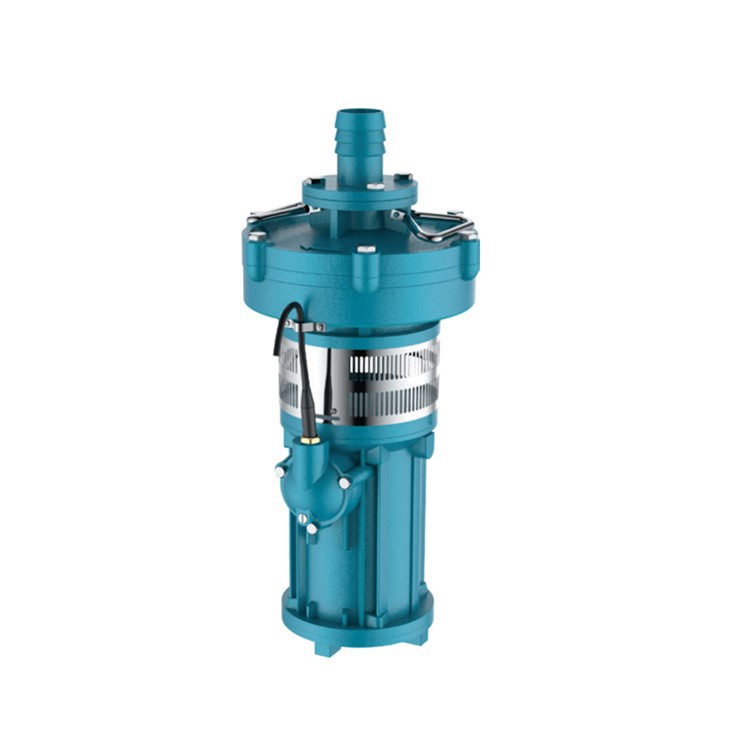
Before we talk about the minimum water level, it's important to understand how QY Submersible Pumps work. These pumps are designed to be fully submerged in water. They use an electric motor to drive an impeller, which creates a pressure difference. This pressure difference then forces water into the pump and out through the discharge pipe. You can find more details about the QY Submersible Pump on our website.
Why the Minimum Water Level Matters
The minimum water level is super important for the proper functioning and longevity of the QY Submersible Pump. If the water level is too low, several problems can occur. First of all, the pump might start to suck in air instead of water. This is called cavitation. Cavitation can cause a lot of damage to the pump's impeller and other internal components. It can lead to pitting, erosion, and even breakage of parts over time.
Secondly, the water around the pump also acts as a coolant. When the pump is operating, the motor generates heat. The water helps to dissipate this heat and keep the motor at a safe operating temperature. If the water level is too low, the pump can overheat, which can lead to motor failure. And let's be real, nobody wants to deal with a broken pump!
Determining the Minimum Water Level
So, what exactly is the minimum water level required for the QY Submersible Pump to operate? Well, it depends on a few factors.
Pump Design
The design of the QY Submersible Pump plays a big role. Different models have different requirements. Some pumps are designed to operate with a relatively low water level, while others need a higher level. Generally, the manufacturer will specify the minimum water level in the pump's manual. It's always a good idea to refer to the manual for the exact specifications of your pump model.
Pump Size
The size of the pump also matters. Larger pumps usually require a higher water level. This is because they have bigger impellers and motors, which need more water to operate efficiently and stay cool. Smaller pumps, on the other hand, can often work with a lower water level.
Application
The application of the pump can also affect the minimum water level. For example, if the pump is being used for irrigation in a shallow well, the minimum water level might be different compared to when it's used in a deep - water reservoir. In a shallow well, the water level needs to be high enough to ensure that the pump doesn't run dry quickly.
Typical Minimum Water Levels
In general, for most QY Submersible Pump models, the minimum water level is usually around 10 - 20 centimeters above the top of the pump. This ensures that the pump is fully submerged and can operate without sucking in air. However, this is just a rough estimate. Some pumps might require a higher water level, say 30 centimeters or more, depending on the factors we discussed earlier.
Comparing with Other Submersible Pumps
It's also interesting to compare the QY Submersible Pump with other types of submersible pumps. For example, the QDX Submersible Pump and the QD Submersible Pump. These pumps also have their own minimum water level requirements.
The QDX Submersible Pump is often used for pumping clean water. Its minimum water level requirements are similar to the QY Submersible Pump in many cases, but it can vary depending on the specific model. The QD Submersible Pump, on the other hand, is designed for different applications and might have different minimum water level needs.

Tips for Maintaining the Right Water Level
To ensure that your QY Submersible Pump operates at its best, here are some tips for maintaining the right water level.
- Monitor the Water Level Regularly: Use a water level indicator or check the water level visually on a regular basis. This will help you catch any issues early on.
- Install a Float Switch: A float switch can be a great addition. It can automatically turn the pump on and off based on the water level. When the water level drops below the minimum, the switch will turn off the pump, preventing damage.
- Proper Placement: Make sure the pump is placed in the right location. Avoid areas where the water level fluctuates too much or where there are obstacles that could block the intake of water.
Conclusion
In conclusion, the minimum water level required for the QY Submersible Pump to operate is an important factor that can't be ignored. It depends on the pump's design, size, and application. By understanding these factors and following the tips we discussed, you can ensure that your pump operates efficiently and lasts for a long time.
If you're in the market for a QY Submersible Pump or have any questions about it, don't hesitate to reach out. We're here to help you make the right choice for your water - pumping needs. Whether you're using it for home use, agricultural purposes, or industrial applications, we've got the right pump for you. Let's have a chat and see how we can work together to meet your requirements.
References
- Pump Manufacturer's Manuals
- Industry Standards for Submersible Pumps