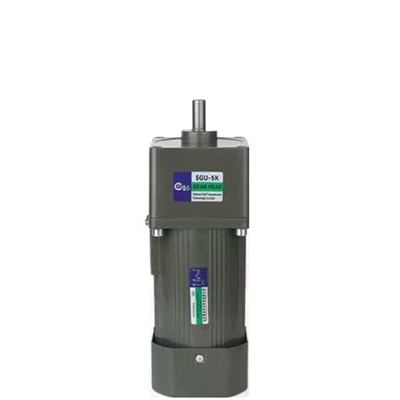
As a leading supplier of inverter duty motors, I've witnessed firsthand the pivotal role these motors play in various industrial applications. Inverter duty motors are engineered to operate efficiently under variable frequency drives (VFDs), offering precise speed control and energy savings. However, one often overlooked factor that can significantly impact the performance and longevity of these motors is dust. In this blog post, I'll delve into the effects of dust on inverter duty motors and discuss strategies to mitigate these issues.
How Dust Enters Inverter Duty Motors
Dust can infiltrate inverter duty motors through several pathways. In industrial settings, motors are often exposed to airborne particulate matter generated by manufacturing processes, such as machining, grinding, or welding. Additionally, motors installed in outdoor environments may be subjected to dust carried by wind or vehicle traffic. Even in relatively clean indoor environments, dust can accumulate over time through normal air circulation.
The Impact of Dust on Inverter Duty Motors
Cooling Efficiency
One of the primary functions of an inverter duty motor is to dissipate heat generated during operation. Most motors are equipped with cooling fans or fins to enhance heat transfer. However, when dust accumulates on these cooling surfaces, it acts as an insulating layer, reducing the motor's ability to dissipate heat effectively. As a result, the motor's operating temperature increases, which can lead to a range of problems, including reduced efficiency, premature wear of components, and even motor failure.
Electrical Insulation
Dust can also pose a threat to the electrical insulation of inverter duty motors. When dust particles settle on the motor's windings, they can absorb moisture from the air, creating a conductive path for electrical current. This can lead to short circuits, arcing, and insulation breakdown, which can cause significant damage to the motor and potentially result in a safety hazard.
Bearing Wear
Inverter duty motors rely on bearings to support the rotating shaft and reduce friction. However, dust particles can enter the bearing housing and act as abrasives, accelerating the wear of the bearings. This can lead to increased vibration, noise, and ultimately, bearing failure. In addition, worn bearings can cause misalignment of the motor shaft, which can further exacerbate the problem and lead to additional damage to other components.
Commutation and Brushes (in DC Motors)
In DC inverter duty motors, dust can also affect the commutation process and the performance of the brushes. Dust particles can accumulate on the commutator, causing uneven wear and poor electrical contact. This can lead to sparking, increased electrical noise, and reduced motor efficiency. Additionally, dust can contaminate the brushes, reducing their ability to conduct electricity effectively and increasing the risk of brush failure.
Real - world Examples of Dust - related Motor Failures
I've encountered numerous cases where dust has caused significant problems for inverter duty motors. For instance, in a manufacturing plant that produces metal parts, the motors used in the machining equipment were constantly exposed to metal dust. Over time, the dust accumulated on the motor's cooling fins and windings, causing the motors to overheat and eventually fail. In another case, a motor installed in a dusty outdoor environment experienced bearing failure due to the ingress of dust particles. These real - world examples highlight the importance of addressing dust issues to ensure the reliable operation of inverter duty motors.
Strategies to Mitigate the Impact of Dust
Enclosure Design
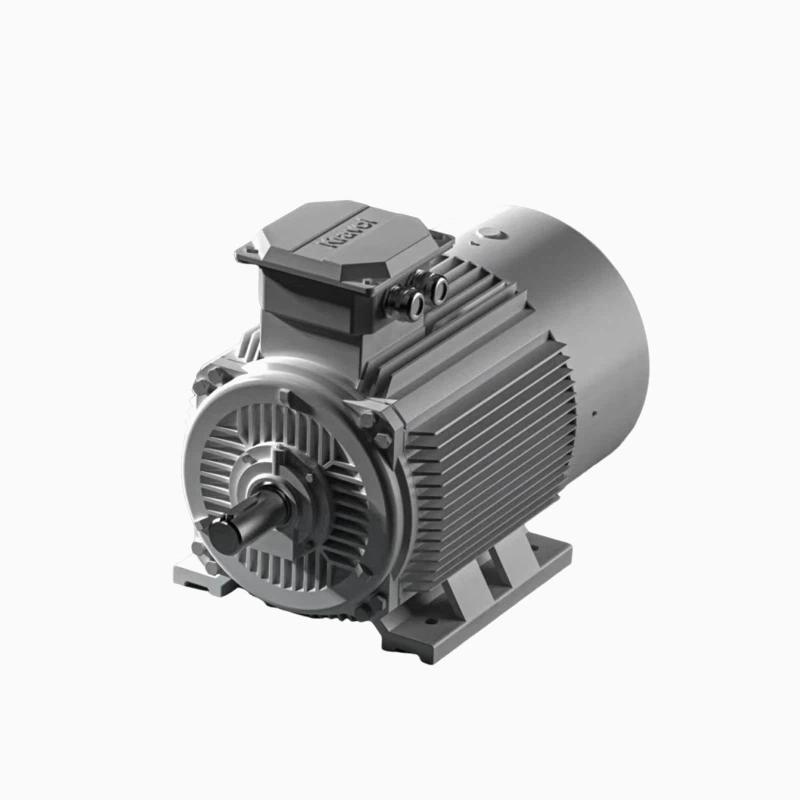
One of the most effective ways to protect inverter duty motors from dust is to use appropriate enclosures. There are several types of motor enclosures available, each offering different levels of protection against dust and other environmental factors. For example, Totally Enclosed Fan Cooled (TEFC) motors are designed to prevent the ingress of dust and moisture, making them suitable for use in dirty or wet environments. Totally Enclosed Non - Ventilated (TENV) motors are another option for applications where dust protection is critical, as they have no external ventilation openings.
Air Filtration
Installing air filtration systems can also help reduce the amount of dust that enters the motor. In industrial settings, high - efficiency particulate air (HEPA) filters can be used to remove dust particles from the air before it enters the motor's enclosure. Additionally, regular maintenance of the air filtration system, including filter replacement, is essential to ensure its effectiveness.
Regular Cleaning and Maintenance
Regular cleaning and maintenance of inverter duty motors are crucial to prevent dust accumulation. This includes cleaning the motor's exterior, cooling fins, and ventilation openings to remove any dust or debris. In addition, the motor's interior should be inspected periodically for signs of dust accumulation, and any dust that has entered the motor should be removed using appropriate cleaning methods.
Sealing and Gasketing
Proper sealing and gasketing of the motor's enclosure can also help prevent dust from entering the motor. This includes ensuring that all access panels, cable entries, and ventilation openings are properly sealed to prevent the ingress of dust. Additionally, using high - quality gaskets and seals can help maintain the integrity of the enclosure and provide long - term protection against dust.
The Importance of Choosing the Right Motor for Dusty Environments
When selecting an inverter duty motor for a dusty environment, it's important to choose a motor that is specifically designed to withstand these conditions. For example, some motors are equipped with additional dust - resistant features, such as sealed bearings, special coatings on the windings, and enhanced air filtration systems. By choosing a motor that is suitable for the application, you can reduce the risk of dust - related problems and ensure the reliable operation of your equipment.
Our Product Offerings
As an inverter duty motor supplier, we offer a wide range of motors that are designed to meet the needs of various applications, including those in dusty environments. Our Y2 Three Phase Motor is a popular choice for industrial applications, offering high efficiency, reliable performance, and excellent dust resistance. The IE3 Electric Motor is another option that provides energy - efficient operation and is suitable for use in a variety of dusty environments. For applications that require precise control and braking, our Three Phase Brake Motor is an ideal choice.
Conclusion
Dust can have a significant impact on the performance and longevity of inverter duty motors. By understanding the effects of dust and implementing appropriate mitigation strategies, such as using proper enclosures, air filtration systems, and regular maintenance, you can reduce the risk of dust - related problems and ensure the reliable operation of your motors. As a trusted inverter duty motor supplier, we are committed to providing high - quality motors and expert advice to help you choose the right motor for your application and keep it running smoothly.
If you're interested in learning more about our inverter duty motors or have any questions about dust protection for your motors, please don't hesitate to contact us. We're here to assist you with your motor selection and provide you with the support you need to ensure the success of your projects.

References
- "Motor Handbook", various editions, covering motor design, operation, and maintenance.
- Industry standards and guidelines related to motor protection and performance in dusty environments.
- Technical papers and research studies on the impact of dust on electrical equipment.