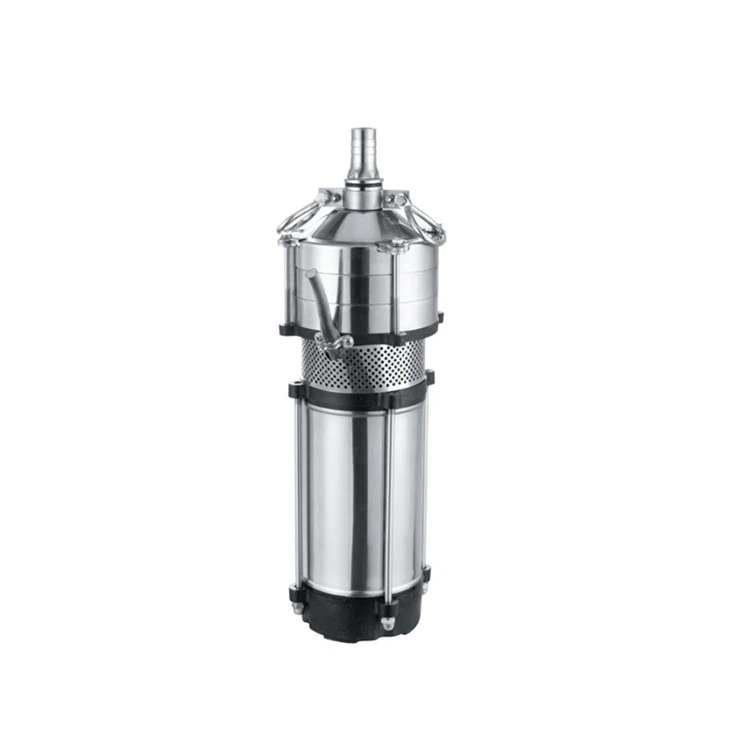
Hey there! As a supplier of QD Submersible Pumps, I often get asked a really important question: "Can the QD Submersible Pump run dry without damage?" It's a valid concern, especially for those who rely on these pumps for various water - pumping needs. So, let's dive right into it.
First off, let me give you a bit of background on the QD Submersible Pump. These pumps are designed to be submerged in water. They're great for a bunch of applications, like draining flooded basements, emptying swimming pools, or even for some agricultural water - transfer jobs. They're built tough, with high - quality materials to ensure long - term performance.
Now, to answer the big question: running a QD Submersible Pump dry is generally a bad idea. Here's why.
Cooling and Lubrication
When a QD Submersible Pump is operating in water, the water serves two crucial functions. Firstly, it acts as a coolant. The motor in the pump generates heat during operation. Just like your car engine needs coolant to prevent overheating, the water around the submersible pump helps carry away this heat. If the pump runs dry, there's no water to absorb and dissipate the heat. As a result, the temperature inside the motor can rise rapidly. High temperatures can damage the insulation on the motor windings. Once the insulation is compromised, it can lead to short - circuits, which can completely fry the motor.
Secondly, water provides lubrication. The moving parts inside the pump, such as the impeller and the shaft, need to move smoothly. Water reduces the friction between these parts. Without water, the friction increases significantly. This increased friction can cause excessive wear and tear on the components. The impeller might start to rub against the housing, leading to damage to both the impeller and the housing. Over time, this can cause the pump to lose its efficiency and eventually fail.
Seal Integrity
The seals in a QD Submersible Pump are designed to keep water out of the motor compartment when the pump is submerged. However, when the pump runs dry, the seals can dry out and shrink. This can create gaps in the seals, allowing water to enter the motor when the pump is subsequently submerged again. Water in the motor is a recipe for disaster, as it can cause corrosion of the electrical components and lead to motor failure.
Cavitation
Another problem that can occur when a QD Submersible Pump runs dry is cavitation. Cavitation happens when the pressure inside the pump drops below the vapor pressure of the liquid (in this case, water). When the pump is running dry, the small amount of air or vapor inside the pump can form bubbles. These bubbles then collapse when they reach areas of higher pressure. The collapse of these bubbles creates shockwaves that can damage the impeller and other internal components of the pump. The impeller blades can become pitted and eroded, reducing the pump's ability to move water effectively.
Exceptions and Precautions
Now, there are some QD Submersible Pumps that are designed to handle short periods of dry running. Some models come with built - in thermal protection. This is like a safety switch that automatically shuts off the pump when the temperature gets too high. So, if the pump starts to overheat due to dry running, the thermal protection kicks in and stops the motor before any serious damage occurs.
However, even if your pump has thermal protection, it's still not a good idea to make a habit of running it dry. The thermal protection is there as a last - ditch effort to save the pump, not as an invitation to run it without water.

If you're in a situation where there's a risk of the pump running dry, you can take some precautions. For example, you can install a float switch. A float switch is a device that monitors the water level. When the water level drops below a certain point, the float switch turns off the pump. This way, you can prevent the pump from running dry in the first place.
Comparing with Other Pumps
It's also interesting to compare the QD Submersible Pump with other similar pumps, like the QY Submersible Pump and the QDX Submersible Pump.
The QY Submersible Pump is known for its high - efficiency performance. It's often used in applications where a large volume of water needs to be pumped quickly. Similar to the QD pump, the QY pump also relies on water for cooling and lubrication. Running it dry can cause the same issues of overheating, increased friction, and seal damage.
The QDX Submersible Pump is a lightweight and portable option. It's great for small - scale water - pumping tasks. Just like the QD and QY pumps, it's not designed to run dry. The smaller size of the QDX pump means that it can overheat even more quickly when running without water.
What to Do if Your Pump Runs Dry
If your QD Submersible Pump has run dry, don't panic right away. First, turn off the pump immediately. Let it cool down completely. Then, visually inspect the pump for any signs of damage, such as a burnt smell, visible cracks in the housing, or a seized impeller. If you notice any of these signs, it's best to have a professional technician take a look at it. They can assess the damage and determine if the pump can be repaired or if it needs to be replaced.
Conclusion
In conclusion, while the QD Submersible Pump is a reliable and powerful piece of equipment, it's not designed to run dry. Running the pump without water can lead to a host of problems, including overheating, increased friction, seal damage, and cavitation. To ensure the long - term performance and durability of your pump, it's essential to keep it submerged in water during operation.
If you're in the market for a QD Submersible Pump or have any questions about its operation and maintenance, feel free to reach out. We're here to help you make the right choice for your water - pumping needs and ensure that your pump serves you well for years to come.
References
- Manufacturer's manual for QD Submersible Pump
- Industry research on submersible pump operation and maintenance