Hey there! As a supplier of Spindle Servo Motors, I often get asked about the alignment requirements for these motors. So, I thought I'd take a moment to break it down for you in a way that's easy to understand.
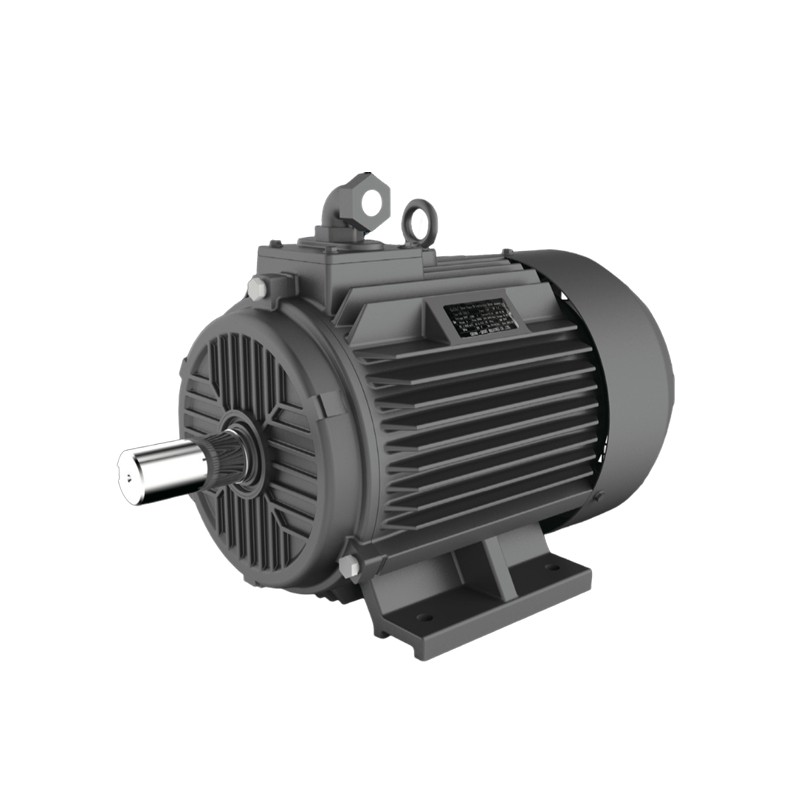
First off, let's talk about what a Spindle Servo Motor is. A Spindle Servo Motor is a type of motor that's designed to provide precise control over the speed and position of a spindle. These motors are commonly used in a variety of applications, such as CNC machining, robotics, and industrial automation.
Now, when it comes to aligning a Spindle Servo Motor, there are a few key things to keep in mind. The alignment process is crucial because it ensures that the motor operates efficiently and effectively, reducing wear and tear on the motor and other components, and improving the overall performance of the system.
Shaft Alignment
One of the most important aspects of aligning a Spindle Servo Motor is shaft alignment. The motor shaft and the driven shaft (the shaft that the motor is connected to) need to be properly aligned both radially and axially. Radial alignment refers to the position of the shafts in a perpendicular direction to the axis of rotation, while axial alignment refers to the position of the shafts along the axis of rotation.
If the shafts are not properly aligned, it can cause a number of problems. For example, misaligned shafts can lead to increased vibration, which can damage the motor bearings, coupling, and other components. It can also cause uneven wear on the motor and driven equipment, reducing their lifespan. In addition, misalignment can result in reduced efficiency and increased energy consumption, as the motor has to work harder to overcome the resistance caused by the misaligned shafts.
To achieve proper shaft alignment, you can use a variety of tools and techniques. Laser alignment systems are one of the most accurate and efficient methods for aligning shafts. These systems use lasers to measure the position of the shafts and provide real-time feedback on the alignment status. Other tools, such as dial indicators and straightedges, can also be used for basic alignment checks.
Coupling Alignment
In addition to shaft alignment, coupling alignment is also important. The coupling is the device that connects the motor shaft to the driven shaft, and it needs to be properly aligned to ensure smooth power transmission. There are several types of couplings available, including flexible couplings and rigid couplings.
Flexible couplings are designed to accommodate some degree of misalignment between the shafts. They use elastomeric elements or other flexible materials to absorb the misalignment and reduce the stress on the motor and driven equipment. However, even with a flexible coupling, it's still important to achieve as close to perfect alignment as possible to minimize vibration and wear.
Rigid couplings, on the other hand, do not allow for any misalignment between the shafts. They provide a direct connection between the motor and driven equipment, which can result in higher torque transmission and more precise positioning. However, rigid couplings require very precise alignment to prevent damage to the motor and other components.
When aligning the coupling, you need to ensure that the two halves of the coupling are properly aligned both radially and axially. This can be done using the same tools and techniques as for shaft alignment. It's also important to follow the manufacturer's instructions for installing and tightening the coupling to ensure proper alignment and performance.
Motor Mounting
Another factor that can affect the alignment of a Spindle Servo Motor is the motor mounting. The motor needs to be securely mounted to a flat and stable surface to prevent vibration and movement during operation. If the motor is not properly mounted, it can cause misalignment of the shafts and coupling, leading to the same problems as described above.
When mounting the motor, make sure to use the correct mounting hardware and follow the manufacturer's instructions. The mounting surface should be clean and free of any debris or contaminants that could affect the alignment. It's also a good idea to use shims or other leveling devices to ensure that the motor is level and properly aligned with the driven equipment.
Importance of Alignment in Different Applications
The alignment requirements for a Spindle Servo Motor can vary depending on the specific application. For example, in high-precision applications such as CNC machining, the alignment needs to be extremely precise to ensure accurate and consistent results. Even a small amount of misalignment can cause significant errors in the machining process, resulting in poor-quality parts and increased scrap rates.
In other applications, such as industrial automation, the alignment requirements may be less stringent, but it's still important to achieve proper alignment to ensure reliable and efficient operation. Misaligned motors can cause downtime and maintenance issues, which can be costly for businesses.
Benefits of Proper Alignment
Proper alignment of a Spindle Servo Motor offers several benefits. First and foremost, it improves the efficiency of the motor, reducing energy consumption and operating costs. When the motor is properly aligned, it can operate more smoothly and with less resistance, which means it doesn't have to work as hard to achieve the desired speed and torque.
In addition, proper alignment reduces wear and tear on the motor and other components, extending their lifespan and reducing the need for frequent maintenance and replacement. This can save businesses a significant amount of money in the long run.
Proper alignment also improves the overall performance of the system, resulting in better quality products and increased productivity. In applications where precision is critical, such as CNC machining, proper alignment can make a big difference in the accuracy and consistency of the finished parts.

How We Can Help
As a supplier of Spindle Servo Motors, we understand the importance of proper alignment. We offer a range of high-quality motors that are designed to meet the strictest alignment requirements. Our motors are manufactured using the latest technology and materials to ensure reliable and efficient operation.
In addition to supplying motors, we also provide technical support and advice to help our customers achieve proper alignment. Our team of experts can assist you with everything from choosing the right motor for your application to installing and aligning the motor correctly. We can also offer training on alignment techniques and the use of alignment tools, so you can ensure that your motors are always properly aligned.
If you're in the market for a Spindle Servo Motor or need help with motor alignment, we'd love to hear from you. Contact us today to discuss your specific requirements and let us help you find the perfect solution for your application.
References
- "Motor Alignment Basics" - Industry Standard Handbook
- "Servo Motor Operation and Maintenance Guide" - Manufacturer's Manual