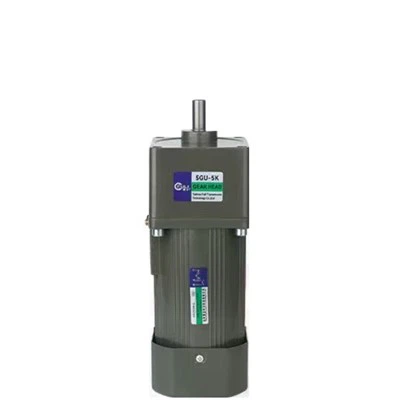
Hey there! As a supplier of Spindle Servo Motors, I've seen firsthand how crucial effective cooling is for these motors. In this blog, I'll share some tips on how to ensure your Spindle Servo Motor stays cool and runs smoothly.
Why Cooling Matters
First off, let's talk about why cooling is so important. Spindle servo motors generate a lot of heat during operation. If this heat isn't managed properly, it can lead to a whole bunch of problems. For starters, excessive heat can reduce the motor's efficiency. When a motor gets too hot, its electrical resistance increases, which means it has to work harder to produce the same amount of power. This not only wastes energy but also puts extra stress on the motor's components.
Overheating can also cause damage to the motor's insulation. The insulation is what protects the motor's windings from short - circuits. When exposed to high temperatures for extended periods, the insulation can break down, leading to electrical failures and potentially costly repairs.
Another issue is that heat can cause the motor's bearings to wear out faster. Bearings are essential for smooth rotation, and if they overheat, they can seize up or develop premature wear, which will eventually lead to motor failure.
Types of Cooling Methods
There are several cooling methods available for spindle servo motors, and each has its own pros and cons.
Air Cooling
Air cooling is one of the most common methods. It's relatively simple and cost - effective. In an air - cooled motor, a fan is usually attached to the motor shaft. As the motor runs, the fan blows air over the motor's surface, carrying away the heat.
The advantage of air cooling is that it's easy to install and maintain. There are no complex plumbing or coolant systems to deal with. However, air cooling has its limitations. It's not as efficient as some other methods, especially in high - power applications or in environments with high ambient temperatures. The amount of heat that can be dissipated by air is limited, and if the motor generates too much heat, the air cooling system may not be able to keep up.
Liquid Cooling
Liquid cooling is a more efficient option for high - power spindle servo motors. In a liquid - cooled system, a coolant (usually water or a water - glycol mixture) is circulated through channels or jackets in the motor. The coolant absorbs the heat from the motor and then transfers it to a heat exchanger, where it's dissipated into the surrounding air.
Liquid cooling can handle much higher heat loads than air cooling. It allows for more precise temperature control, which is important for maintaining the motor's performance and longevity. However, liquid cooling systems are more complex and expensive to install. They require pumps, hoses, and a heat exchanger, and there's also the risk of coolant leaks, which can cause damage to the motor and other equipment.
Hybrid Cooling
Some motors use a hybrid cooling method, which combines the advantages of air and liquid cooling. For example, a motor might have an air - cooled outer casing and a liquid - cooled internal core. This approach can provide a good balance between cost, efficiency, and reliability.
Tips for Effective Cooling
Now that we've covered the different cooling methods, let's look at some tips to ensure effective cooling of your spindle servo motor.
Proper Installation
The way you install the motor can have a big impact on its cooling. Make sure the motor is installed in a well - ventilated area. If it's an air - cooled motor, ensure that there's enough space around the motor for air to circulate freely. Avoid installing the motor in a confined space or near other heat - generating equipment.
For liquid - cooled motors, proper installation of the coolant system is crucial. Make sure all the hoses are properly connected and that there are no kinks or blockages in the coolant channels. The heat exchanger should also be installed in a location where it can effectively dissipate heat.
Regular Maintenance
Regular maintenance is essential for keeping the cooling system in good working condition. For air - cooled motors, clean the fan regularly to remove any dust or debris that might be blocking the airflow. Check the fan blades for damage and make sure the fan is spinning freely.
In liquid - cooled systems, check the coolant level regularly and top it up if necessary. Inspect the hoses for signs of wear or leaks, and replace them if needed. The heat exchanger should also be cleaned periodically to remove any dirt or debris that might be reducing its efficiency.
Monitor Temperature
Monitoring the motor's temperature is a great way to ensure that the cooling system is working effectively. Many modern spindle servo motors come with built - in temperature sensors. You can use these sensors to keep an eye on the motor's temperature and set up alarms if the temperature exceeds a certain threshold.
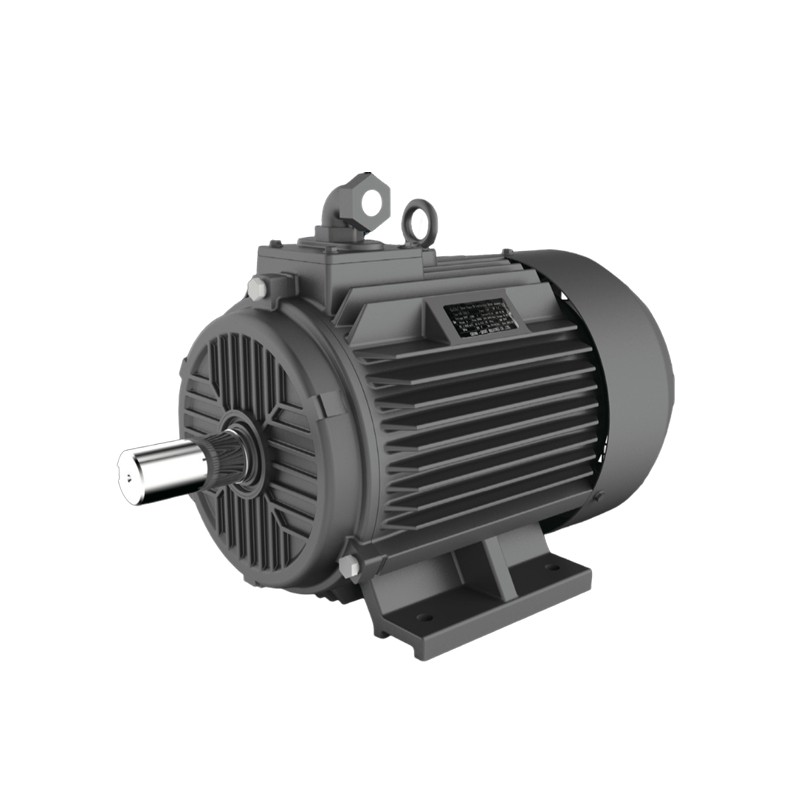

If you notice that the motor is running hotter than normal, it could be a sign of a problem with the cooling system. It might be a blocked air intake, a coolant leak, or a malfunctioning fan or pump. By catching these issues early, you can prevent more serious problems from occurring.
Match the Cooling System to the Motor's Requirements
It's important to choose a cooling system that is appropriate for the motor's power and operating conditions. If you have a high - power motor, an air - cooled system might not be sufficient, and you'll need to consider a liquid - cooled or hybrid system. On the other hand, if you have a low - power motor, a simple air - cooled system might be all you need.
The Role of Permanent Magnet Motors
Many spindle servo motors are Permanent Magnet Motor Synchronous. Permanent magnet motors have some unique characteristics when it comes to cooling.
Permanent magnet motors are generally more efficient than traditional motors, which means they generate less heat in the first place. However, the magnets in these motors can be sensitive to high temperatures. If the motor overheats, the magnets can lose their magnetization, which will reduce the motor's performance.
So, even though permanent magnet motors are more efficient, proper cooling is still crucial to protect the magnets and ensure the motor's long - term performance.
Conclusion
Effective cooling is essential for the performance and longevity of spindle servo motors. Whether you choose air cooling, liquid cooling, or a hybrid system, proper installation, regular maintenance, and temperature monitoring are key. By following the tips in this blog, you can ensure that your spindle servo motor stays cool and runs smoothly.
If you're in the market for a spindle servo motor or need advice on cooling systems, don't hesitate to reach out. We're here to help you find the right solution for your needs. Let's start a conversation and see how we can work together to keep your motors running at their best!
References
- "Electric Motor Handbook" by Arnold Tustin
- "Motor Cooling Techniques" - IEEE Transactions on Industry Applications