Hey there! As a supplier of Spindle Servo Motors, I've seen my fair share of issues with these motors overheating. It's a common problem that can lead to all sorts of headaches, from reduced performance to complete motor failure. In this blog post, I'm going to break down the main causes of overheating in a Spindle Servo Motor and give you some tips on how to prevent it.
First off, let's talk about what a Spindle Servo Motor is. These motors are used in a wide range of applications, from CNC machines to robotics. They're designed to provide precise control over speed and position, making them essential for high-precision tasks. But like any motor, they can overheat if they're not properly maintained or operated.
One of the most common causes of overheating in a Spindle Servo Motor is overloading. When you ask a motor to do more work than it's designed for, it has to work harder, which generates more heat. This can happen if you're using the motor at a higher speed or torque than it's rated for, or if you're trying to move a load that's too heavy. Overloading can also occur if the motor is running for extended periods without a break. To avoid overloading, make sure you're using the right motor for the job and that you're not pushing it beyond its limits.

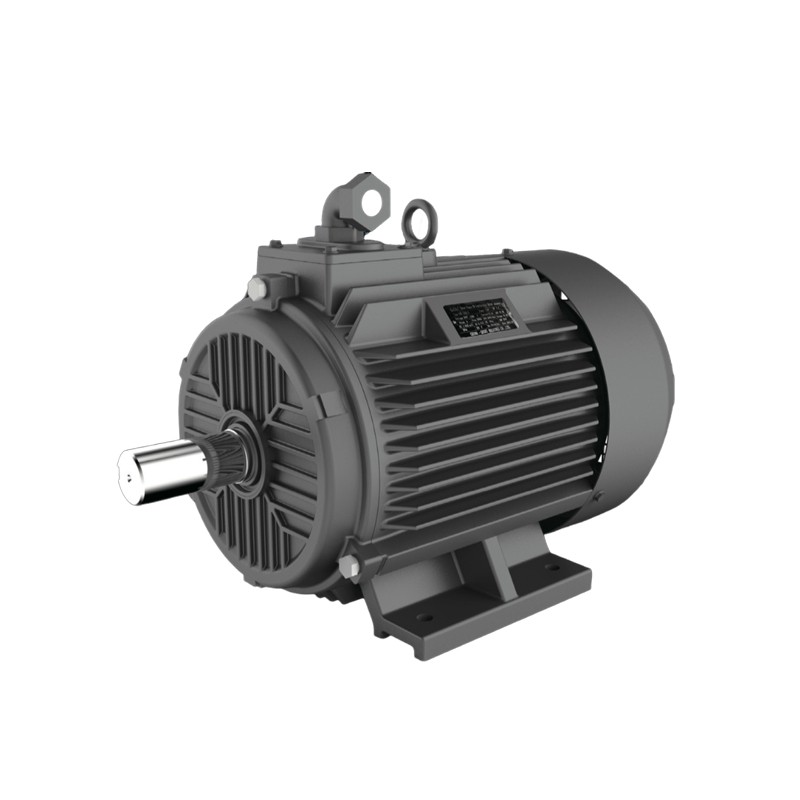
Another cause of overheating is poor ventilation. Spindle Servo Motors generate a lot of heat during operation, and they need a way to dissipate that heat. If the motor is installed in an enclosed space or if there's not enough airflow around it, the heat can build up and cause the motor to overheat. To ensure proper ventilation, make sure the motor is installed in a well-ventilated area and that there's enough clearance around it for air to circulate. You may also want to consider using a cooling fan or other cooling device to help keep the motor cool.
Electrical issues can also cause a Spindle Servo Motor to overheat. For example, if the motor is drawing too much current, it can generate excess heat. This can happen if there's a short circuit in the motor or if the power supply is not providing the correct voltage. Other electrical issues, such as loose connections or damaged wiring, can also cause problems. To prevent electrical issues, make sure the motor is properly wired and that the power supply is providing the correct voltage. You should also regularly inspect the motor for any signs of damage or wear.
The quality of the motor itself can also play a role in overheating. A low-quality motor may not be designed to handle the demands of your application, or it may have manufacturing defects that can cause it to overheat. When choosing a Spindle Servo Motor, it's important to choose a reputable supplier and to look for a motor that's designed for your specific application. You may also want to consider investing in a Permanent Magnet Motor Synchronous, which are known for their high efficiency and reliability.
In addition to these common causes, there are a few other factors that can contribute to overheating in a Spindle Servo Motor. For example, if the motor is operating in a high-temperature environment, it may be more prone to overheating. Similarly, if the motor is exposed to dust, dirt, or other contaminants, it can cause the motor to overheat. To prevent these issues, make sure the motor is installed in a suitable environment and that it's protected from dust and dirt.
So, how can you prevent overheating in your Spindle Servo Motor? Here are a few tips:
- Choose the right motor: Make sure you're using the right motor for the job and that it's rated for the speed, torque, and load requirements of your application.
- Ensure proper ventilation: Install the motor in a well-ventilated area and make sure there's enough clearance around it for air to circulate. You may also want to consider using a cooling fan or other cooling device.
- Maintain the motor: Regularly inspect the motor for any signs of damage or wear, and make sure it's properly lubricated and maintained.
- Monitor the motor: Keep an eye on the motor's temperature and performance, and take action if you notice any signs of overheating or other problems.
- Invest in quality: Choose a reputable supplier and invest in a high-quality motor that's designed for your specific application.
If you're experiencing problems with your Spindle Servo Motor overheating, don't hesitate to reach out to us. As a supplier of Spindle Servo Motors, we have the expertise and experience to help you diagnose and solve the problem. We can also provide you with advice on how to prevent overheating in the future and help you choose the right motor for your application.
In conclusion, overheating is a common problem in Spindle Servo Motors, but it can be prevented with proper maintenance and operation. By understanding the main causes of overheating and taking steps to prevent them, you can ensure that your motor operates efficiently and reliably for years to come. If you have any questions or need further assistance, please don't hesitate to contact us. We're here to help you get the most out of your Spindle Servo Motor.
References
- "Servo Motor Handbook" by various authors
- Industry standards and guidelines for Spindle Servo Motors