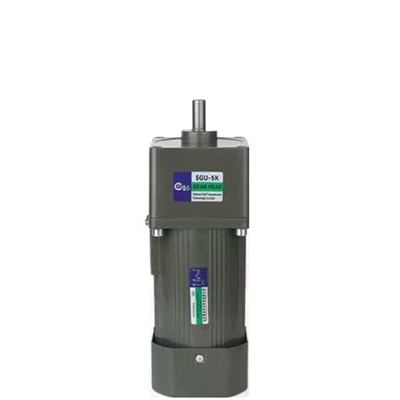
As a supplier of vertical pumps, I often get asked about the lifespan of these essential pieces of equipment. Understanding the lifespan of a vertical pump is crucial for both our customers and us. It helps in making informed decisions about purchasing, maintenance, and replacement. In this blog, I'll delve into the factors that influence the lifespan of a vertical pump, typical lifespans, and how to extend it.
Factors Affecting the Lifespan of a Vertical Pump
1. Quality of Manufacturing
The quality of materials and the manufacturing process play a significant role in determining the lifespan of a vertical pump. High - quality materials such as stainless steel, cast iron, or other corrosion - resistant alloys can withstand harsh operating conditions for a longer time. For example, pumps made from high - grade stainless steel are less likely to corrode when handling corrosive fluids. At our company, we ensure that all our pumps, including the ISW Vertical Pump, are manufactured using top - notch materials and strict quality control measures. This helps in enhancing the durability and longevity of the pumps.
2. Operating Conditions
The environment in which the vertical pump operates has a profound impact on its lifespan. If the pump is used in a dirty or abrasive environment, the internal components are more likely to wear out quickly. For instance, a pump used in a mining operation where it is exposed to large amounts of dust and abrasive particles will experience more wear on its impellers and bearings compared to a pump used in a clean water supply system. Similarly, extreme temperatures can also affect the performance and lifespan of the pump. High temperatures can cause the lubricants to break down, leading to increased friction and wear, while low temperatures can make the materials more brittle.
3. Maintenance and Servicing
Regular maintenance is essential for extending the lifespan of a vertical pump. This includes tasks such as checking and replacing worn - out parts, lubricating moving components, and ensuring proper alignment. Neglecting maintenance can lead to premature failure of the pump. For example, if the bearings are not lubricated regularly, they can overheat and seize, causing significant damage to the pump. Our team provides detailed maintenance guidelines for all our pumps, including the Industrial Vertical Pipeline Pump and Vertical Pipeline Pump, to help our customers keep their pumps in optimal condition.
4. Pump Design and Application
The design of the vertical pump should be suitable for its intended application. Using a pump that is under - sized or over - sized for a particular task can reduce its lifespan. An under - sized pump will have to work harder to meet the required flow and pressure, leading to increased wear and tear. On the other hand, an over - sized pump may operate inefficiently, which can also cause problems over time. Our experts work closely with customers to select the right pump design for their specific applications, ensuring maximum efficiency and longevity.
Typical Lifespan of a Vertical Pump
The lifespan of a vertical pump can vary widely depending on the factors mentioned above. In general, a well - maintained vertical pump used in normal operating conditions can last anywhere from 10 to 20 years. However, pumps used in more demanding environments may have a shorter lifespan, perhaps 5 to 10 years.
For pumps used in light - duty applications, such as small - scale water supply systems in residential areas, the lifespan can be on the higher end of the spectrum. These pumps typically operate under relatively stable conditions and are less likely to be exposed to harsh chemicals or abrasive materials. In contrast, pumps used in industrial applications, such as chemical processing plants or power generation facilities, may have a shorter lifespan due to the more challenging operating conditions.
How to Extend the Lifespan of a Vertical Pump
1. Follow a Regular Maintenance Schedule
As mentioned earlier, regular maintenance is key to extending the lifespan of a vertical pump. This includes daily, weekly, monthly, and annual checks. Daily checks may involve monitoring the pump's performance parameters such as flow rate, pressure, and temperature. Weekly checks can include inspecting the pump for any signs of leaks or unusual noises. Monthly checks may involve lubricating the bearings and checking the alignment of the pump. Annual maintenance should include a more thorough inspection, including disassembly and cleaning of the pump, and replacement of any worn - out parts.


2. Use High - Quality Lubricants and Parts
Using high - quality lubricants and replacement parts is essential for the long - term performance of the pump. Low - quality lubricants may not provide adequate protection against wear and corrosion, while inferior replacement parts may not fit properly or may not have the same level of durability as the original parts. We recommend using only genuine parts and lubricants approved by the pump manufacturer for all maintenance and repair work.
3. Monitor Operating Conditions
Keep a close eye on the operating conditions of the pump. If the environment becomes more demanding, such as an increase in the temperature or the presence of more abrasive particles, take appropriate measures to protect the pump. This may include installing additional filtration systems or cooling devices. Regularly monitoring the pump's performance parameters can also help detect any potential problems early, allowing for timely maintenance and repairs.
4. Train Operators
Proper training of the pump operators is crucial. Operators should be familiar with the pump's operating manual, safety procedures, and maintenance requirements. They should also be able to recognize the signs of potential problems, such as unusual noises or vibrations, and take appropriate action. Our company offers training programs for pump operators to ensure that they can operate and maintain our pumps effectively.
Conclusion
In conclusion, the lifespan of a vertical pump is influenced by several factors, including the quality of manufacturing, operating conditions, maintenance, and pump design. By understanding these factors and taking appropriate measures, such as following a regular maintenance schedule, using high - quality parts and lubricants, monitoring operating conditions, and training operators, the lifespan of a vertical pump can be significantly extended.
If you are in the market for a vertical pump or need advice on pump maintenance and replacement, we are here to help. Our team of experts can assist you in selecting the right pump for your specific application and provide you with all the support you need to ensure its long - term performance. Contact us today to start a discussion about your vertical pump requirements.
References
- "Pump Handbook" by Igor Karassik et al.
- Industry standards and guidelines for vertical pump manufacturing and maintenance.