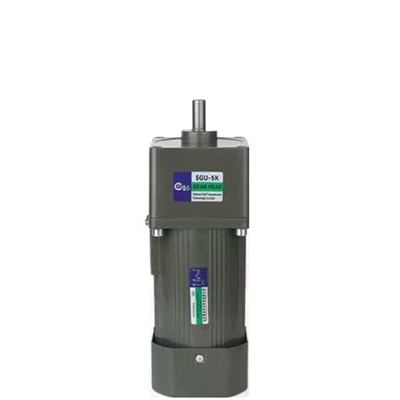
Hey there! As an IE3 Electric Motor supplier, I often get asked about the vibration levels of IE3 electric motors. It's a crucial topic because vibration can tell us a lot about the motor's health, performance, and overall quality. In this blog, I'll break down what vibration levels in IE3 motors are all about, why they matter, and how they compare to other motor types.
First off, let's understand what vibration in an electric motor is. Simply put, vibration is the mechanical oscillation of the motor components. It can be caused by various factors, such as unbalanced rotating parts, misalignment, loose bearings, or even electrical issues. A certain amount of vibration is normal in any motor, but excessive vibration can lead to serious problems down the line.
So, what are the typical vibration levels for IE3 electric motors? Well, the vibration levels are usually measured in terms of velocity (mm/s). International standards, like ISO 10816, provide guidelines for acceptable vibration levels in rotating machinery, including electric motors. For IE3 motors, the vibration levels are generally expected to be relatively low compared to less efficient motor types. This is because IE3 motors are designed with high - quality components and advanced manufacturing processes, which help in reducing vibrations.
Let's take a closer look at how IE3 motors stack up against other motor types, like the IE2 Electric Motor. IE2 motors are also energy - efficient, but they may have slightly higher vibration levels compared to IE3 motors. This is mainly due to the fact that IE3 motors often have better - balanced rotors, more precise bearings, and improved housing designs. These features contribute to a smoother operation and lower vibration.
Another motor type that's worth mentioning is the Y2 Three Phase Motor. Y2 motors are more traditional three - phase motors. They are reliable but may not offer the same level of energy efficiency and low - vibration operation as IE3 motors. The vibration levels in Y2 motors can be higher, especially if they are not properly maintained or if they are operating under heavy loads.
Now, why do low vibration levels matter in IE3 electric motors? There are several reasons. Firstly, low vibration means less wear and tear on the motor components. Bearings, for example, are less likely to fail prematurely when the motor vibrates less. This reduces the maintenance costs and downtime associated with motor repairs. Secondly, low - vibration motors are quieter. In industrial settings, noise pollution can be a significant issue, and having motors that operate quietly can improve the working environment for employees.
In addition, low vibration levels are also an indicator of the motor's energy efficiency. When a motor vibrates less, it is using energy more effectively. This is because less energy is being wasted on creating unnecessary vibrations. So, in a way, low vibration is a sign that the motor is performing at its best and is living up to its IE3 energy - efficiency rating.
As an IE3 Electric Motor supplier, I know that ensuring low vibration levels is a top priority. We conduct thorough quality control checks on our motors to make sure they meet the strict vibration standards. Our manufacturing process involves precision balancing of the rotors, using high - quality bearings, and carefully assembling the motor components. This attention to detail helps in producing motors with consistently low vibration levels.
But how do we measure the vibration levels of our IE3 motors? We use specialized vibration sensors and analyzers. These devices can accurately measure the vibration velocity and frequency of the motor. By analyzing the vibration data, we can detect any potential issues early on, such as unbalanced rotors or loose components. This allows us to take corrective actions before the problem escalates and affects the motor's performance.
If you're in the market for an electric motor, you might be wondering whether an IE3 Electric Motor is the right choice for you. Well, if you're looking for a motor that offers high energy efficiency, low maintenance, and quiet operation, then an IE3 motor is definitely worth considering. The low vibration levels of IE3 motors make them a reliable and cost - effective option for a wide range of applications, from industrial machinery to HVAC systems.
In conclusion, the vibration levels of IE3 electric motors are an important aspect of their performance. Low vibration levels indicate a well - designed and high - quality motor that offers many benefits, including reduced maintenance costs, quieter operation, and better energy efficiency. As an IE3 Electric Motor supplier, we are committed to providing our customers with motors that meet the highest standards of vibration control.
If you're interested in learning more about our IE3 electric motors or have any questions about vibration levels, feel free to reach out to us. We'd be more than happy to discuss your specific requirements and help you find the perfect motor for your application. Let's start a conversation and see how we can work together to meet your motor needs.
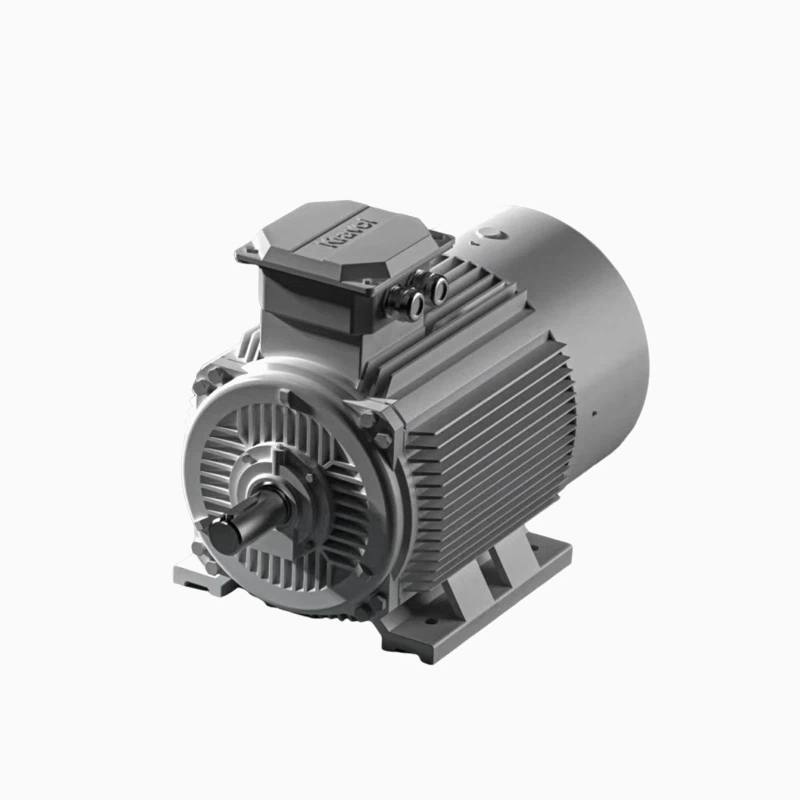

References
- ISO 10816 - Mechanical vibration - Evaluation of machine vibration by measurements on non - rotating parts.