When it comes to maintaining a clean and healthy swimming pool, one of the most crucial components is the pool pump. As a swimming pool pump supplier, I often get asked about the best time of day to run the pool pump. In this blog post, I'll delve into the factors to consider and provide insights to help you make an informed decision.
Understanding the Role of a Pool Pump
Before we discuss the optimal running time, let's briefly understand what a pool pump does. A pool pump is responsible for circulating water through the pool's filtration system. This circulation helps remove debris, dirt, and contaminants from the water, ensuring that your pool remains clean and safe for swimming. Additionally, proper water circulation helps distribute chemicals evenly throughout the pool, maintaining the correct chemical balance.
Factors to Consider When Determining the Best Time to Run Your Pool Pump
There are several factors to consider when deciding the best time to run your pool pump. These include energy costs, pool usage, and environmental conditions.
Energy Costs
One of the primary considerations is energy costs. Running a pool pump can consume a significant amount of electricity, so it's important to find a time when energy rates are lower. Many utility companies offer time-of-use pricing, where electricity rates are higher during peak hours and lower during off-peak hours. By running your pool pump during off-peak hours, you can save money on your energy bill.
Pool Usage
Another factor to consider is pool usage. If your pool is used frequently, you may need to run the pump for longer periods to ensure proper water circulation and filtration. On the other hand, if your pool is used less frequently, you may be able to reduce the running time of the pump.
Environmental Conditions
Environmental conditions, such as temperature and sunlight, can also affect the performance of your pool pump. During hot summer days, the water in your pool may evaporate more quickly, which can lead to a higher concentration of chemicals in the water. Running the pump during the cooler parts of the day can help prevent this from happening. Additionally, sunlight can break down chlorine and other chemicals in the water, so running the pump at night can help maintain the chemical balance of your pool.
Best Times to Run Your Pool Pump
Based on the factors mentioned above, here are some recommended times to run your pool pump:
Off-Peak Hours
As mentioned earlier, running your pool pump during off-peak hours can help you save money on your energy bill. Off-peak hours typically occur during the late evening or early morning, when electricity demand is lower. Check with your utility company to find out when their off-peak hours are and adjust your pool pump schedule accordingly.
Nighttime
Running your pool pump at night can have several benefits. First, it can help save energy by taking advantage of lower electricity rates. Second, it can help maintain the chemical balance of your pool by preventing sunlight from breaking down chlorine and other chemicals. Finally, running the pump at night can reduce noise pollution, which can be a concern if you have neighbors living nearby.
Early Morning
Running your pool pump in the early morning can also be a good option. The water in your pool is usually cooler at this time, which can help prevent evaporation and maintain the chemical balance of the water. Additionally, running the pump in the early morning can help circulate the water before you start using the pool, ensuring that it's clean and safe for swimming.
Types of Pool Pumps
At our company, we offer a variety of pool pumps to meet the needs of different customers. Here are some of the types of pool pumps we offer:
Circulating Pool Pump
A circulating pool pump is designed to circulate water through the pool's filtration system, ensuring that the water remains clean and clear. These pumps are typically used in smaller pools and spas.
110V Pool Pump
A 110V pool pump is a popular choice for residential pools. These pumps are easy to install and operate, and they are compatible with most standard electrical outlets.

Large Flow Pool Pump
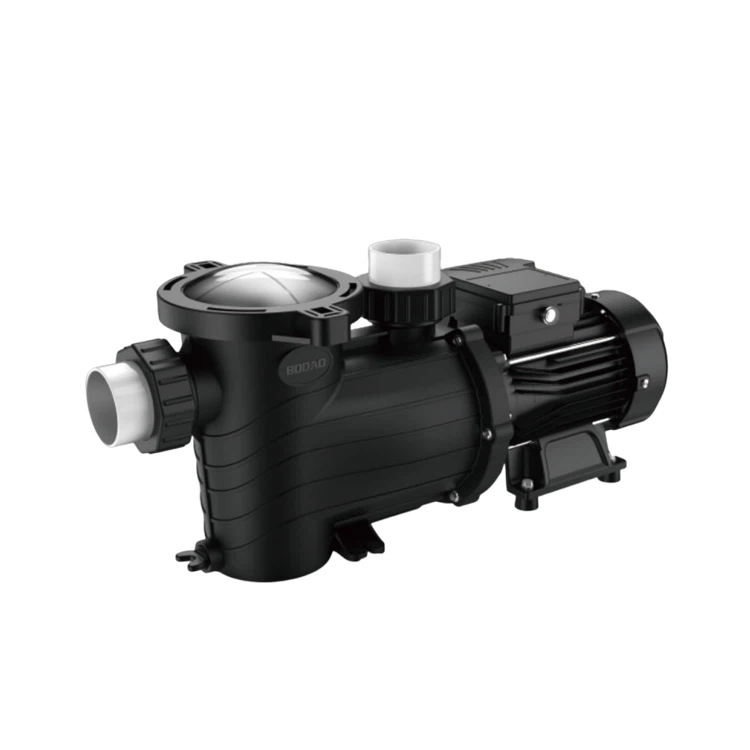
A large flow pool pump is designed to handle larger volumes of water and is typically used in commercial pools and large residential pools. These pumps are more powerful than standard pool pumps and can provide better water circulation and filtration.
Conclusion
In conclusion, the best time of day to run your pool pump depends on several factors, including energy costs, pool usage, and environmental conditions. By running your pool pump during off-peak hours, at night, or in the early morning, you can save money on your energy bill, maintain the chemical balance of your pool, and ensure that the water remains clean and safe for swimming.
If you're in the market for a new pool pump, we invite you to explore our range of Circulating Pool Pump, 110V Pool Pump, and Large Flow Pool Pump. Our team of experts is always available to help you choose the right pump for your pool and provide you with professional advice on pool maintenance. Contact us today to start the procurement discussion and take the first step towards a cleaner, healthier pool.
References
- "Pool Pump Sizing and Selection Guide." Pool and Spa News, 2023.
- "Energy Efficiency Tips for Pool Owners." U.S. Department of Energy, 2023.
- "How to Maintain Your Swimming Pool." The Spruce, 2023.