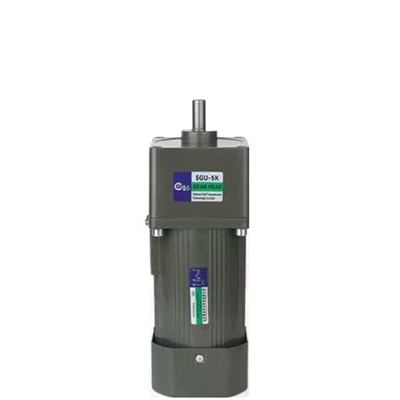
Hey there! As a supplier of IE2 Electric Motors, I've been getting a lot of questions lately about the speed accuracy characteristics of these motors. So, I thought I'd take a few minutes to break it down for you and give you the lowdown on what makes IE2 Electric Motors so special.
First off, let's talk about what IE2 Electric Motors are. These motors are part of a series of energy - efficient motors designed to meet certain international standards. They sit right in the middle of the energy - efficiency spectrum when compared to other types of motors like the IE1 Three Phase Motor and the IE3 Electric Motor. IE1 motors are less energy - efficient, while IE3 motors are more energy - efficient.
Now, let's get into the speed accuracy characteristics. One of the key things about IE2 Electric Motors is their ability to maintain a relatively stable speed under different load conditions. This is super important in a lot of industrial applications where consistent speed is crucial for the proper functioning of machinery.
In an IE2 Electric Motor, the speed is mainly determined by the frequency of the power supply and the number of poles in the motor. The formula for synchronous speed (Ns) is Ns = 120f / P, where f is the frequency of the power supply and P is the number of poles. In most industrial settings, the power supply frequency is pretty much fixed (e.g., 50Hz or 60Hz in different regions). So, the number of poles becomes a major factor in determining the motor's speed.
Under normal operating conditions, an IE2 Electric Motor can run at a speed very close to its synchronous speed. However, there is always a small difference between the synchronous speed and the actual speed of the motor, which is called slip. Slip occurs because the rotor in an induction motor (which is what most IE2 motors are) has to rotate at a speed slightly less than the synchronous speed to generate torque.
The amount of slip in an IE2 Electric Motor is usually quite small. This means that the motor can maintain a high level of speed accuracy. For example, in a well - designed IE2 motor, the slip might be around 2 - 5%. This allows the motor to run at a speed that is very close to the desired speed, which is great for applications like conveyor belts, pumps, and fans.
Another factor that affects the speed accuracy of IE2 Electric Motors is the quality of the motor's construction. Motors that are built with high - quality materials and precision manufacturing techniques tend to have better speed accuracy. At our company, we take great care in the production process of our IE2 Electric Motors. We use top - notch materials for the stator, rotor, and other components. This helps to reduce electrical losses and mechanical vibrations, both of which can have a negative impact on speed accuracy.
The control system also plays a big role in the speed accuracy of IE2 Electric Motors. Many modern IE2 motors can be paired with variable frequency drives (VFDs). A VFD allows you to adjust the frequency of the power supply to the motor, which in turn allows you to control the motor's speed. With a VFD, you can achieve very precise speed control, even in applications where the load varies widely. For example, in a manufacturing process where the speed of a machine needs to be adjusted based on the type of product being produced, a VFD - controlled IE2 Electric Motor can be a game - changer.
Now, let's compare the speed accuracy of IE2 Electric Motors with other types of motors. As I mentioned earlier, IE2 motors are more energy - efficient than IE1 Three Phase Motor. In terms of speed accuracy, IE2 motors also tend to be better. IE1 motors often have higher slip values, which means their actual speed can deviate more from the synchronous speed. This can lead to less consistent performance in applications where speed accuracy is important.
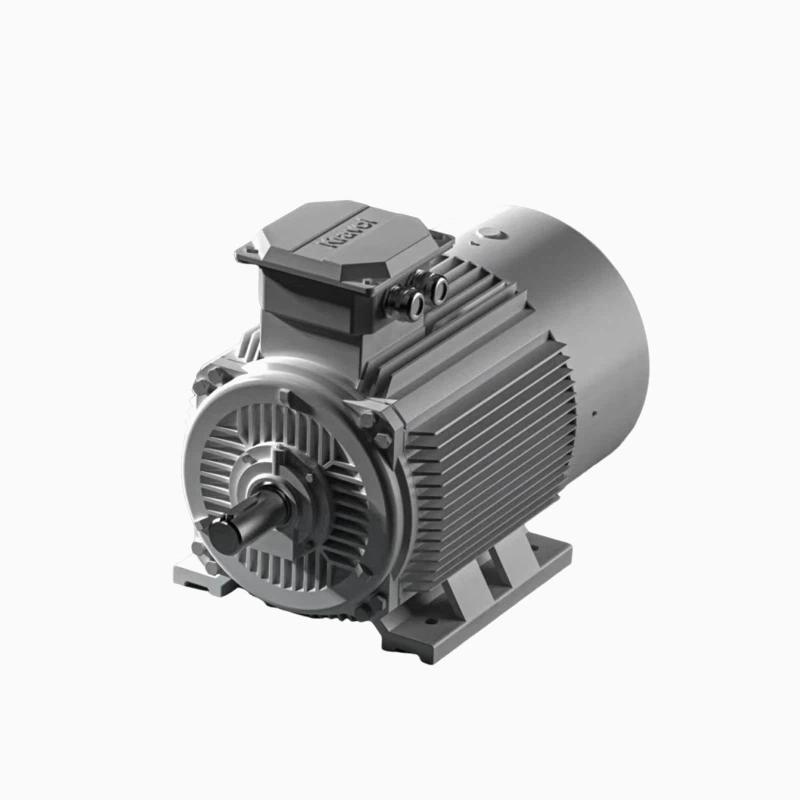
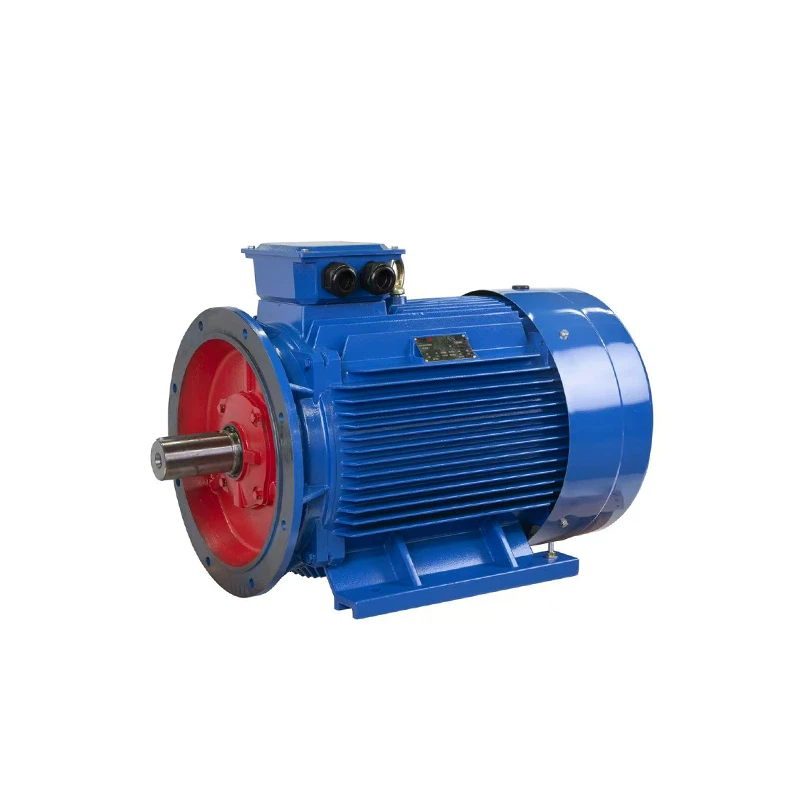
On the other hand, IE3 Electric Motor are even more energy - efficient than IE2 motors. They also generally have very good speed accuracy. However, IE3 motors can be more expensive than IE2 motors. So, if you're looking for a balance between cost and speed accuracy, an IE2 Electric Motor might be the right choice for you.
We also offer Aluminium Electric Motor as part of our product range. Aluminium motors are known for their lightweight and good heat dissipation properties. In terms of speed accuracy, they have similar characteristics to other IE2 motors. The use of aluminium in the motor's construction doesn't significantly affect the speed accuracy, but it does offer other advantages like reduced weight and better resistance to corrosion.
In real - world applications, the speed accuracy of IE2 Electric Motors can have a huge impact on productivity and product quality. For instance, in a textile manufacturing plant, a motor with poor speed accuracy can cause uneven weaving, leading to defective products. On the other hand, an IE2 Electric Motor with high speed accuracy can ensure consistent production, reducing waste and increasing overall efficiency.
If you're in the market for an electric motor and speed accuracy is a key requirement for your application, I highly recommend considering an IE2 Electric Motor. We've got a wide range of IE2 motors in different power ratings and configurations to suit your specific needs. Whether you're running a small - scale workshop or a large - scale industrial facility, we can help you find the right motor for the job.
If you're interested in learning more about our IE2 Electric Motors or have any questions about speed accuracy or other characteristics, don't hesitate to reach out. We're here to assist you in making the best choice for your business. Let's have a chat about your requirements and see how our IE2 Electric Motors can improve your operations.
References:
- "Electric Motors and Drives: Fundamentals, Types and Applications" by Austin Hughes
- Industry standards and guidelines for IE2 Electric Motors