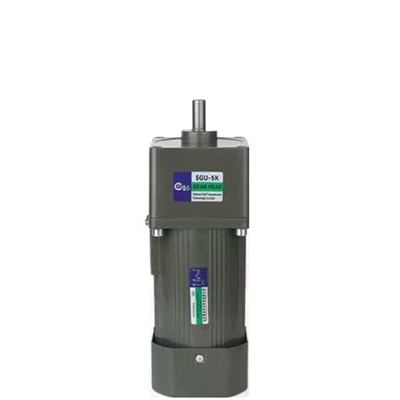
Hey there! As a supplier of vertical pumps, I've seen firsthand how important it is to use these machines safely. Vertical pumps are widely used in various industries, from water treatment to chemical processing, but if not used correctly, they can pose significant risks. In this blog post, I'll share some essential safety precautions to keep in mind when using a vertical pump.
Pre - operation Checks
Before you even think about starting up the vertical pump, there are a bunch of checks you need to do. First off, give the pump a visual inspection. Look for any obvious signs of damage, like cracks in the casing or loose parts. A damaged pump can not only malfunction but also be a safety hazard. For instance, a crack in the casing could lead to leaks, which might be of corrosive or toxic substances depending on what the pump is handling.
Check the alignment of the pump and the motor. Misaligned components can cause excessive vibration, which wears out the pump parts faster and can even lead to a breakdown. You can use alignment tools to make sure everything is in place.
Also, verify the lubrication levels. Proper lubrication is crucial for the smooth operation of the pump. If the lubricant is low or dirty, it can cause overheating and increased friction, which might damage the bearings and other moving parts.
Electrical Safety
Vertical pumps are usually powered by electricity, so electrical safety is a must. Always make sure that the power supply is properly grounded. A grounded system helps prevent electrical shocks in case of a short - circuit.
Inspect the electrical cables for any signs of wear or damage. Frayed or damaged cables can expose live wires, which is extremely dangerous. If you find any issues with the cables, replace them immediately.
Before performing any maintenance or inspection on the pump, turn off the power supply at the main switch and lock it out. This is known as lock - out/tag - out procedure, and it ensures that the pump cannot be accidentally turned on while you're working on it.
Installation and Mounting
Proper installation is key to the safe operation of a vertical pump. Make sure the pump is installed on a stable and level surface. An unstable installation can cause the pump to vibrate excessively, which can lead to premature wear and tear, and in extreme cases, the pump could even tip over.
Follow the manufacturer's instructions for mounting the pump. This includes using the correct bolts and fasteners and tightening them to the specified torque. Incorrectly mounted pumps can come loose during operation, which is a serious safety risk.
Handling the Pumped Fluid
The fluid being pumped can also present safety challenges. If the fluid is corrosive, toxic, or flammable, you need to take extra precautions.
Wear appropriate personal protective equipment (PPE) such as gloves, goggles, and protective clothing. For example, when dealing with corrosive chemicals, chemical - resistant gloves and goggles can protect your hands and eyes from splashes.
Ensure that the piping system is properly designed and installed to handle the fluid. Leaks in the piping can release the fluid into the environment, which can be harmful to people and the environment. Check the piping regularly for signs of leaks or corrosion.
Operation and Monitoring
During the operation of the vertical pump, keep an eye on its performance. Monitor the pressure, flow rate, and temperature. Abnormal readings could indicate a problem with the pump. For example, a sudden increase in temperature could mean that there is a blockage or a mechanical issue inside the pump.
Listen for any unusual noises coming from the pump. Grinding, rattling, or screeching sounds can be a sign of a problem. If you notice any abnormal noises or readings, stop the pump immediately and investigate the cause.
Maintenance and Cleaning
Regular maintenance and cleaning are essential for the safe and efficient operation of the vertical pump. Follow the manufacturer's recommended maintenance schedule. This includes tasks such as changing the filters, inspecting the seals, and replacing worn - out parts.
When cleaning the pump, use the appropriate cleaning agents. Some cleaning agents can react with the pump materials or the pumped fluid, so make sure you choose the right ones. Also, be careful when handling cleaning equipment to avoid accidental damage to the pump.


Emergency Preparedness
Even with all the precautions in place, emergencies can still happen. Have an emergency plan in place. This should include procedures for dealing with leaks, fires, and electrical accidents.
Make sure that all employees who operate or work around the pump are trained in the emergency procedures. Keep emergency equipment such as fire extinguishers, spill kits, and first - aid kits nearby and in good working condition.
Our Vertical Pump Offerings
At our company, we offer a range of high - quality vertical pumps, including the ISW Vertical Pump, Industrial Vertical Pipeline Pump, and Vertical Pipeline Pump. These pumps are designed with safety and performance in mind, and we provide detailed safety guidelines and support to our customers.
If you're in the market for a vertical pump or need more information about safety precautions, don't hesitate to reach out. We're here to help you make the right choice and ensure that you can use our pumps safely and effectively. Contact us today to start the procurement discussion and find the best vertical pump solution for your needs.
References
- Pump Safety Manuals from Various Manufacturers
- OSHA Guidelines for Industrial Pump Safety
- Industry Best Practices for Vertical Pump Operation and Maintenance