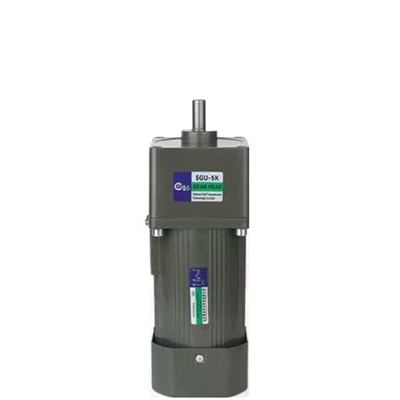
As a supplier of IE3 electric motors, I often encounter customers who are curious about the protection levels of these motors. In this blog post, I will delve into the different protection levels of IE3 electric motors, explaining what they mean and why they are important.
Understanding IP Ratings
The protection levels of electric motors are typically defined by the International Protection (IP) code. This code consists of two digits that indicate the degree of protection provided against the ingress of solid objects and water. The first digit represents the protection against solids, while the second digit represents the protection against water.
-
First Digit (Solid Protection):
- 0: No protection against solid objects.
- 1: Protection against solid objects larger than 50 mm.
- 2: Protection against solid objects larger than 12 mm.
- 3: Protection against solid objects larger than 2.5 mm.
- 4: Protection against solid objects larger than 1 mm.
- 5: Dust - protected. Limited ingress of dust is permitted, but it should not affect the operation of the motor.
- 6: Dust - tight. No dust can enter the motor.
-
Second Digit (Water Protection):
- 0: No protection against water.
- 1: Protection against vertically falling drops of water.
- 2: Protection against vertically falling drops of water when the motor is tilted up to 15 degrees from the vertical.
- 3: Protection against spraying water at an angle up to 60 degrees from the vertical.
- 4: Protection against splashing water from any direction.
- 5: Protection against water jets from any direction.
- 6: Protection against powerful water jets or heavy seas.
- 7: Protection against the effects of temporary immersion in water.
- 8: Protection against continuous immersion in water under specified conditions.
- 9: Protection against high - pressure, high - temperature water jets.
Common Protection Levels for IE3 Electric Motors
IP23
This is a common protection level for IE3 motors used in general industrial applications. The "2" in IP23 indicates protection against solid objects larger than 12 mm, which means it can prevent fingers or large tools from accidentally touching the internal parts of the motor. The "3" means it is protected against spraying water at an angle up to 60 degrees from the vertical. Motors with IP23 protection are often used in indoor environments where there is a low risk of dust and water ingress, such as in factories for light manufacturing processes.
IP54
IP54 motors offer a higher level of protection. The "5" indicates dust - protection, which is suitable for environments where there is a moderate amount of dust, such as in sawmills or grain handling facilities. The "4" provides protection against splashing water from any direction. This makes IP54 motors versatile and can be used in both indoor and outdoor applications where the weather conditions are not too harsh.
IP65
IP65 is a very popular protection level for IE3 motors. The "6" means the motor is dust - tight, making it ideal for use in extremely dusty environments like cement plants or mining operations. The "5" offers protection against water jets from any direction, which allows the motor to withstand cleaning with a hose or operation in light rain.
IP66
For more demanding outdoor applications or environments with high - pressure water jets, IP66 motors are a great choice. The "6" for dust protection ensures that no dust can enter the motor, and the "6" for water protection means it can withstand powerful water jets or heavy seas. These motors are commonly used in marine applications, wastewater treatment plants, and outdoor industrial equipment.
IP67
IP67 motors provide even more robust protection. With the "6" for dust - tightness and the "7" for protection against temporary immersion in water, these motors can be used in applications where there is a risk of short - term submersion, such as in flood - prone areas or some types of water - based manufacturing processes.
Importance of Choosing the Right Protection Level
Selecting the appropriate protection level for an IE3 electric motor is crucial for several reasons:
- Safety: A motor with the right protection level can prevent accidental contact with live parts, reducing the risk of electrical shock to operators. For example, in a factory where workers are constantly moving around machinery, an IP23 or higher motor can protect them from getting their fingers caught in the motor.
- Reliability: Motors operating in environments with dust, water, or other contaminants are at risk of damage. By choosing a motor with the correct protection level, you can ensure that the motor will operate reliably over its intended lifespan. For instance, an IP65 motor in a dusty cement plant will be less likely to experience internal damage due to dust ingress compared to a motor with a lower protection level.
- Longevity: A well - protected motor will generally have a longer lifespan. The ingress of dust and water can cause corrosion, short - circuits, and mechanical wear, all of which can significantly reduce the motor's operating life. By investing in a motor with an appropriate protection level, you can save on replacement costs in the long run.
Our Range of IE3 Electric Motors with Different Protection Levels
As a supplier of IE3 electric motors, we offer a wide range of products with different protection levels to meet the diverse needs of our customers.
- Aluminium Electric Motor: Our aluminium electric motors come in various protection levels, from IP23 for general indoor use to IP65 for more demanding environments. The lightweight nature of aluminium makes these motors easy to install and handle, while the high - quality construction ensures reliable performance.
- Inverter Duty Motor: These motors are designed to work with variable frequency drives. We offer them with protection levels such as IP54 and IP66, which are suitable for both indoor and outdoor inverter - based applications. The motors are built to withstand the electrical stresses associated with inverter operation.
- Three Phase Brake Motor: Our three - phase brake motors are available in different protection levels, including IP23 and IP67. The brake feature allows for quick and precise stopping, and the appropriate protection level ensures reliable operation in various environments, whether it's a clean indoor workshop or a harsh outdoor construction site.
Conclusion
In conclusion, the protection levels of IE3 electric motors play a vital role in ensuring the safety, reliability, and longevity of the motors. By understanding the different IP ratings and choosing the right protection level for your specific application, you can optimize the performance of your motor and avoid costly downtime.


If you are in the market for IE3 electric motors and need help in selecting the right protection level for your application, feel free to contact us. Our team of experts is ready to assist you in making the best choice for your needs. We look forward to discussing your requirements and providing you with high - quality IE3 electric motors that meet your expectations.
References
- International Electrotechnical Commission (IEC) standards on IP ratings.
- Industry guidelines on electric motor selection and protection.