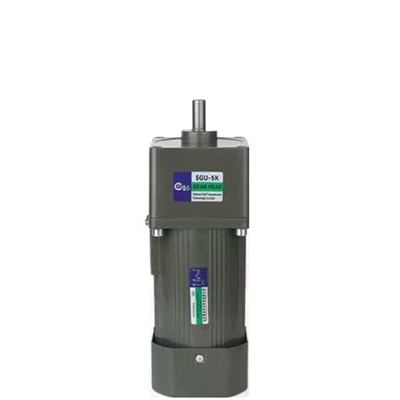
When it comes to the operation of horizontal pumps, one critical question that often arises is: What is the maximum viscosity of the liquid that a horizontal pump can handle? As a seasoned horizontal pump supplier, I've encountered this query numerous times from clients across various industries. In this blog post, I'll delve into this topic, exploring the factors that influence a horizontal pump's ability to handle viscous liquids and the maximum viscosity limits.
Understanding Viscosity
Before we discuss the maximum viscosity a horizontal pump can handle, it's essential to understand what viscosity is. Viscosity is a measure of a fluid's resistance to flow. It describes the internal friction of a moving fluid. A fluid with high viscosity, like honey, flows slowly because its molecules have strong internal forces that resist movement. In contrast, a fluid with low viscosity, such as water, flows easily.
Viscosity is typically measured in units of centipoise (cP). Water at 20°C has a viscosity of approximately 1 cP, while thicker fluids like motor oil can have viscosities ranging from 50 to 500 cP or more.
Factors Affecting a Horizontal Pump's Ability to Handle Viscous Liquids
Several factors come into play when determining the maximum viscosity a horizontal pump can handle:
Pump Design
The design of the horizontal pump is a crucial factor. Different types of horizontal pumps, such as centrifugal pumps and positive displacement pumps, have different capabilities when it comes to handling viscous liquids.
Centrifugal pumps are widely used due to their simplicity and efficiency. However, they are generally less effective at handling highly viscous liquids. The impeller in a centrifugal pump relies on the kinetic energy of the fluid to create flow. As the viscosity of the liquid increases, the fluid's ability to transfer kinetic energy decreases, reducing the pump's performance.
Positive displacement pumps, on the other hand, are better suited for handling viscous liquids. These pumps work by trapping a fixed amount of fluid and then forcing it into the discharge pipe. They can maintain a relatively constant flow rate regardless of the viscosity of the liquid.
Pump Size and Speed
The size and speed of the pump also affect its ability to handle viscous liquids. Larger pumps with larger impellers or pumping chambers can generally handle higher viscosities than smaller pumps. This is because they have more surface area to interact with the fluid and can generate more force to overcome the fluid's resistance to flow.
Similarly, the pump's speed plays a role. A slower pump speed can sometimes be more effective for handling viscous liquids, as it allows the fluid more time to move through the pump without excessive shear forces.
Fluid Properties
In addition to viscosity, other fluid properties can affect the pump's performance. For example, the density of the fluid can influence the pump's power requirements. A denser fluid will require more energy to move, which can impact the pump's ability to handle the fluid at higher viscosities.
The temperature of the fluid is also important. Viscosity is temperature-dependent, and most fluids become less viscous as the temperature increases. Therefore, heating the fluid can sometimes improve the pump's performance when handling viscous liquids.
Maximum Viscosity Limits for Different Types of Horizontal Pumps
As mentioned earlier, different types of horizontal pumps have different capabilities when it comes to handling viscous liquids. Here are some general guidelines for the maximum viscosity limits of common types of horizontal pumps:
Centrifugal Pumps
Centrifugal pumps are typically limited to handling liquids with viscosities up to around 500 cP. Beyond this point, their performance begins to decline significantly. The efficiency of the pump decreases, and the power consumption increases. At very high viscosities, the pump may not be able to generate enough pressure to move the fluid effectively.
However, some specially designed centrifugal pumps can handle higher viscosities. For example, ISW Horizontal Pump is a type of centrifugal pump that can handle moderately viscous liquids. It has a unique impeller design that helps to improve its performance with viscous fluids.
Positive Displacement Pumps
Positive displacement pumps can handle much higher viscosities than centrifugal pumps. Gear pumps, a type of positive displacement pump, can typically handle liquids with viscosities up to 100,000 cP or more. These pumps are commonly used in applications where highly viscous liquids need to be transferred, such as in the oil and gas industry.
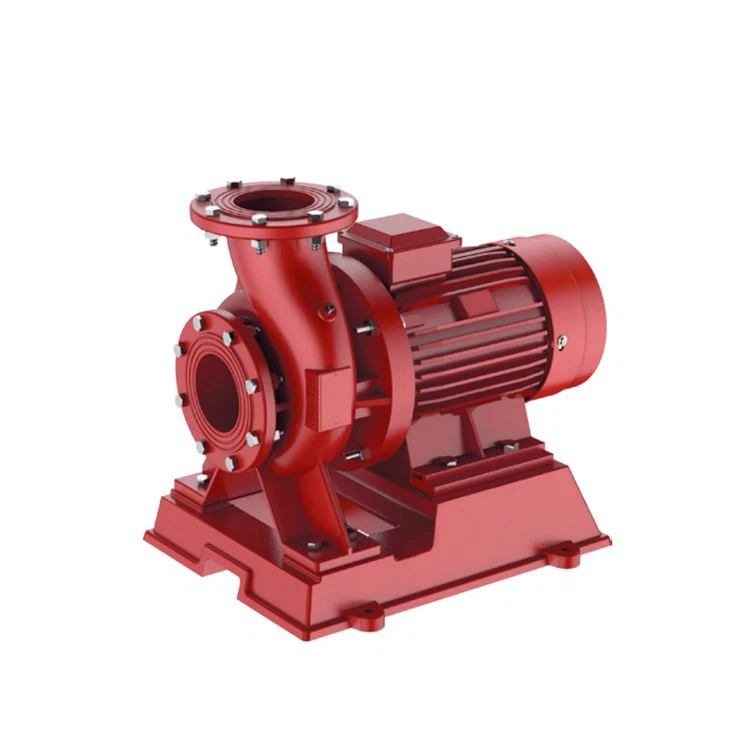
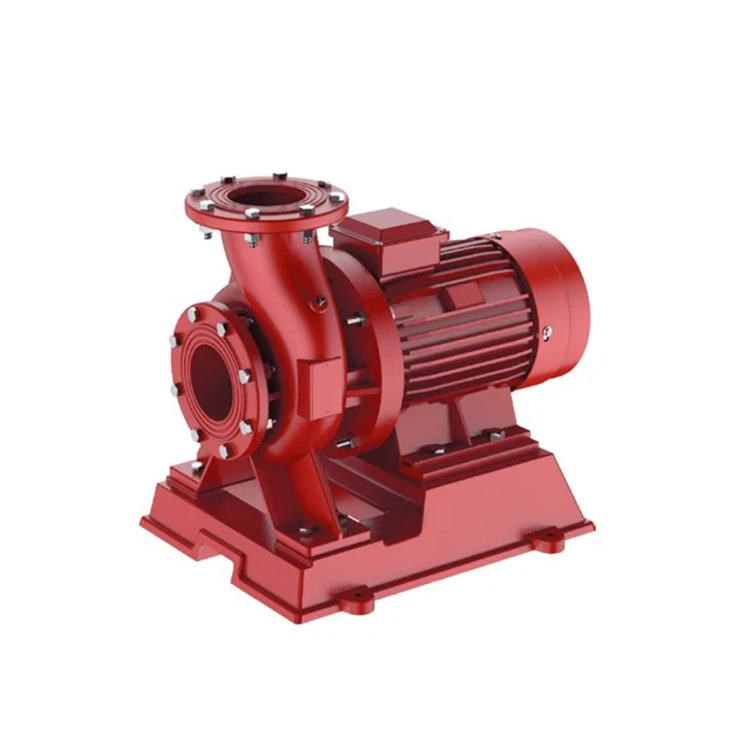
Another type of positive displacement pump, the Industrial Horizontal Pipeline Pump, is also well-suited for handling viscous liquids. It can maintain a constant flow rate even at high viscosities, making it ideal for applications where precise flow control is required.
Horizontal Pipeline Pumps
Horizontal Pipeline Pumps are a type of centrifugal pump that is designed for use in pipeline systems. They can handle a wide range of viscosities, depending on their design and size. Generally, they can handle viscosities up to around 200 - 300 cP, but this can vary depending on the specific pump model and application.
Determining the Right Pump for Your Application
When selecting a horizontal pump for handling viscous liquids, it's important to consider the specific requirements of your application. Here are some steps to help you determine the right pump:
Analyze the Fluid Properties
First, you need to know the viscosity, density, and temperature of the fluid you'll be pumping. This information will help you determine the type of pump that is best suited for your application.
Consider the Flow Rate and Pressure Requirements
You also need to consider the required flow rate and pressure of the pumping system. Different pumps have different capabilities when it comes to generating flow and pressure, so you'll need to choose a pump that can meet your specific requirements.
Evaluate the Pump's Performance
Once you've narrowed down your options, it's a good idea to evaluate the performance of the pumps you're considering. You can do this by looking at the pump's performance curves, which show how the pump's flow rate, pressure, and efficiency vary with different viscosities.
Conclusion
In conclusion, the maximum viscosity of the liquid that a horizontal pump can handle depends on several factors, including the pump design, size, speed, and the properties of the fluid. Centrifugal pumps are generally limited to handling viscosities up to around 500 cP, while positive displacement pumps can handle much higher viscosities.
As a horizontal pump supplier, we have a wide range of pumps to meet the needs of different applications. Whether you're looking for a pump to handle low-viscosity liquids or highly viscous fluids, we can help you find the right solution. If you have any questions or need assistance in selecting the right pump for your application, please don't hesitate to contact us. We're here to help you make the best decision for your pumping needs.
References
- "Pump Handbook" by Igor J. Karassik et al.
- "Centrifugal Pumps: Design and Application" by Heinz P. Bloch and Allan R. Budris.
- "Positive Displacement Pumps: Technology and Applications" by Heinz P. Bloch and A. R. Budris.