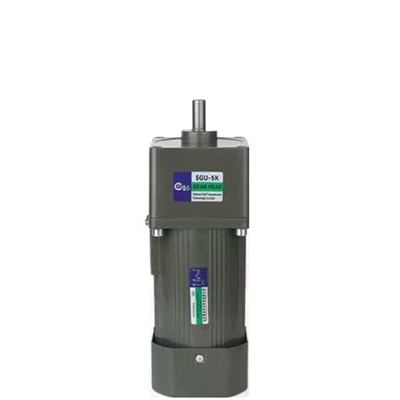
Hey there! As a supplier of IE4 Electric Motors, I often get asked if these motors are suitable for high - torque applications. Well, let's dive right into it and find out.
First off, what exactly is high - torque? High - torque applications require a motor to generate a large amount of rotational force. This is crucial in industries like manufacturing, where heavy machinery needs to be powered, or in the automotive sector for things like electric vehicles. Torque is basically what gets things moving and keeps them going, especially when there's a lot of resistance.
Now, let's talk about the IE4 Electric Motor. IE4 motors are known for their high energy efficiency. They're designed to meet strict international standards, which means they use less electricity to do the same amount of work compared to their predecessors. But does high efficiency translate to high torque?
One of the key features of IE4 Electric Motors is their advanced design. They often use high - quality materials and state - of - the - art manufacturing techniques. For example, the use of better magnetic materials in the motor's core can enhance its performance. These materials can increase the magnetic field strength, which in turn can boost the motor's torque output.
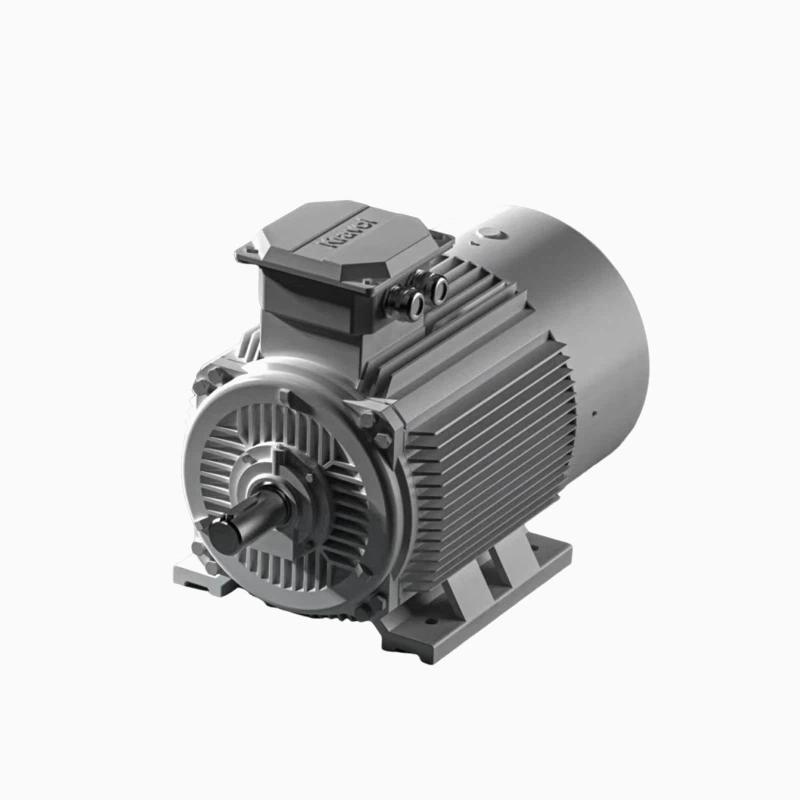
In high - torque applications, we need a motor that can handle sudden changes in load. IE4 motors are generally built with robust construction. They have a better ability to withstand overloads compared to some other motors. This is important because in high - torque situations, the load on the motor can vary significantly. A motor that can't handle these variations might break down or overheat, which can lead to costly downtime.
Another aspect to consider is the speed - torque characteristics of the IE4 Electric Motor. Different applications have different speed - torque requirements. Some high - torque applications need a motor to provide high torque at low speeds, while others might need it at high speeds. IE4 motors can be designed with variable speed drives, which allow them to adjust their speed and torque output according to the specific needs of the application. This flexibility makes them a great option for a wide range of high - torque scenarios.
Let's compare the IE4 Electric Motor with some other motors in the market. The IE3 Electric Motor is a popular choice too. While the IE3 motor is also energy - efficient, the IE4 motor takes it a step further. In terms of torque, the IE4 motor can often provide a higher torque density. This means that for a given size, it can produce more torque compared to an IE3 motor.
The Y2 Three Phase Motor has been around for a while. It's a reliable motor, but it might not have the same level of energy efficiency and advanced features as the IE4 motor. When it comes to high - torque applications, the IE4 motor's better performance in terms of torque output and load handling can give it an edge over the Y2 motor.
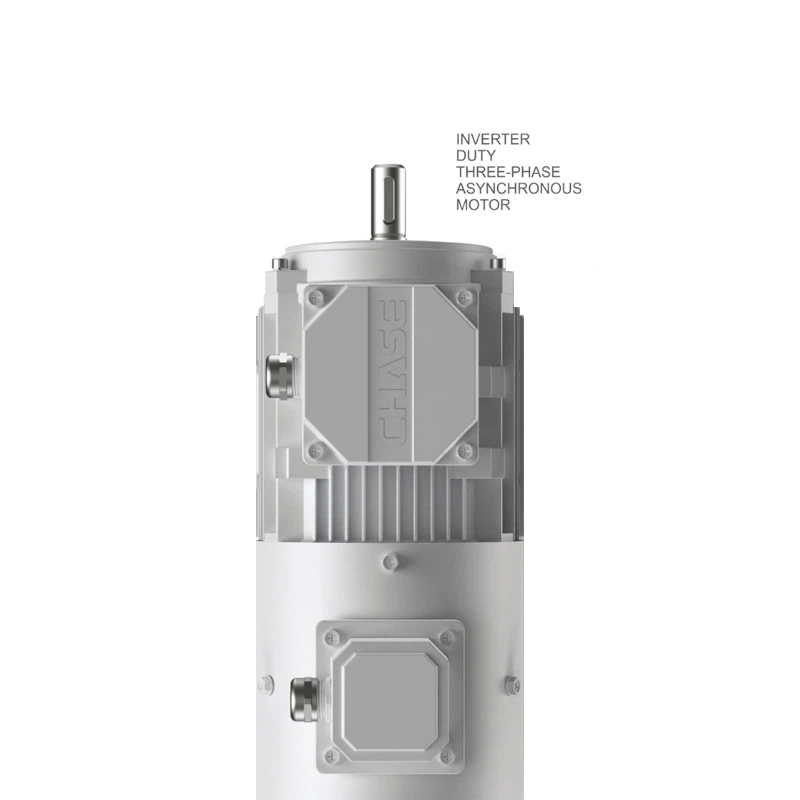
The Inverter Duty Motor is designed to work well with variable frequency drives. IE4 motors can also be used with these drives, and they often offer better overall performance. Inverter duty motors are good for high - torque applications that require precise speed control. The IE4 motor can combine the benefits of high torque and precise speed control, making it a very attractive option.
However, it's not all sunshine and rainbows. There are some limitations to using IE4 Electric Motors in high - torque applications. One of the main issues is the cost. IE4 motors are generally more expensive than some other motors. The advanced materials and manufacturing processes used in their production drive up the price. For some small - scale high - torque applications, the cost might be a deterrent.
Also, the installation and maintenance of IE4 motors can be a bit more complex. They require more technical knowledge and expertise. If the installation is not done correctly, it can affect the motor's performance and lifespan. And when it comes to maintenance, the parts of an IE4 motor can be more specialized, which might make it more difficult and costly to repair.
But despite these limitations, I still believe that IE4 Electric Motors are a great choice for many high - torque applications. Their high energy efficiency can lead to long - term cost savings, even though the initial investment is higher. The ability to provide high torque, combined with features like variable speed control and overload protection, makes them a reliable option for industries that rely on high - torque machinery.
If you're in the market for a motor for high - torque applications, I encourage you to consider the IE4 Electric Motor. It offers a great balance of performance, efficiency, and flexibility. Whether you're in the manufacturing, automotive, or any other industry that needs high - torque motors, we can work with you to find the right solution.
If you're interested in learning more about our IE4 Electric Motors or want to discuss your specific high - torque application requirements, don't hesitate to reach out. We're here to help you make the best choice for your business.
References:
- Industry reports on electric motor performance and efficiency
- Technical specifications of IE4, IE3, Y2, and Inverter Duty Motors
- Case studies of high - torque applications using different types of motors