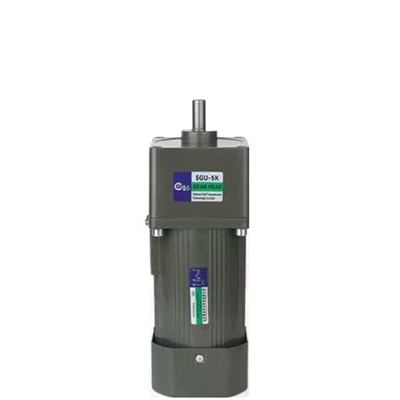
Upgrading a 220V AC Gear Motor can be a strategic move for various industrial and commercial applications. As a supplier of 220V AC Gear Motor, I've witnessed firsthand the benefits that a well - executed upgrade can bring. In this blog, I'll share some insights on how to upgrade a 220V AC Gear Motor effectively.
Understanding the Need for Upgrade
Before diving into the upgrade process, it's crucial to understand why you need to upgrade your 220V AC Gear Motor. There are several common reasons. Firstly, performance enhancement is a major factor. If your current motor is struggling to meet the load requirements, upgrading can provide more torque, higher efficiency, and better speed control. For example, in a conveyor system, an underpowered motor may cause the conveyor to move slowly or even stop under heavy loads. Upgrading the motor can solve this problem and improve the overall productivity of the system.
Secondly, energy efficiency is becoming an increasingly important consideration. Older 220V AC Gear Motors may consume more electricity than newer models. By upgrading to a more energy - efficient motor, you can reduce your energy costs in the long run. This is not only beneficial for your bottom line but also for the environment.
Finally, reliability and durability are key. As motors age, they are more prone to breakdowns and failures. Upgrading to a new motor with better build quality and advanced technology can minimize downtime and maintenance costs.
Assessing Your Current Motor
The first step in the upgrade process is to assess your current 220V AC Gear Motor. You need to gather information about its specifications, such as power rating, speed, torque, and gear ratio. This information can usually be found on the motor's nameplate. Additionally, you should evaluate the motor's operating conditions, including the load type (constant, variable, or intermittent), ambient temperature, and humidity.
For example, if your motor is operating in a high - temperature environment, you may need to choose an upgraded motor with better heat dissipation capabilities. If the load is variable, a motor with adjustable speed control may be more suitable.
You should also inspect the motor for any signs of wear and tear, such as damaged bearings, worn gears, or loose connections. This will help you determine if any additional components need to be replaced during the upgrade.
Selecting the Right Upgraded Motor
Once you have a clear understanding of your current motor and its operating conditions, it's time to select the right upgraded motor. There are several factors to consider when making this decision.
Power Rating
The power rating of the new motor should be sufficient to meet the load requirements. However, it's important not to oversize the motor, as this can lead to higher energy consumption and increased costs. You can calculate the required power based on the load torque and speed. If you're unsure, you can consult with a motor expert or refer to industry standards.
Gear Ratio
The gear ratio determines the relationship between the motor's speed and torque. A higher gear ratio provides more torque but lower speed, while a lower gear ratio offers higher speed but less torque. You need to choose a gear ratio that is appropriate for your application. For example, in a lifting application, a high - gear - ratio motor may be required to provide the necessary lifting force.
Efficiency
As mentioned earlier, energy efficiency is an important consideration. Look for motors with high efficiency ratings, such as those that meet or exceed the industry's energy - efficiency standards. Newer motors often use advanced technologies, such as variable frequency drives (VFDs), to improve efficiency.
Type of Motor
There are different types of 220V AC Gear Motors available, such as Worm Gear Reduction Motor and 400W AC Gear Motor. Each type has its own advantages and disadvantages. Worm gear reduction motors are known for their high torque and compact size, making them suitable for applications where space is limited. 400W AC Gear Motors, on the other hand, are a popular choice for medium - sized applications.
Installation and Commissioning
After selecting the right upgraded motor, it's time to install and commission it. This process should be carried out by a qualified technician to ensure safety and proper operation.
Installation
The installation process involves mounting the new motor in the same location as the old one, connecting the electrical wiring, and coupling the motor to the load. Make sure to follow the manufacturer's installation instructions carefully. Pay attention to the alignment of the motor and the load, as misalignment can cause premature wear and failure.
Commissioning
Once the motor is installed, it needs to be commissioned. This involves testing the motor under various operating conditions to ensure that it is functioning properly. You should check the motor's speed, torque, and power consumption. You may also need to adjust the motor's settings, such as the speed control and torque limit, to optimize its performance.
Testing and Optimization
After commissioning, it's important to test the upgraded motor in real - world conditions. Monitor the motor's performance over a period of time and collect data on its speed, torque, energy consumption, and temperature. This data will help you identify any potential issues and make necessary adjustments.
If you find that the motor is not performing as expected, you may need to optimize its settings or make minor modifications. For example, you may need to adjust the VFD parameters to improve the motor's speed control or reduce its energy consumption.

Maintenance and Support
Once the upgraded motor is up and running, regular maintenance is essential to ensure its long - term reliability and performance. You should follow the manufacturer's maintenance schedule, which may include tasks such as lubrication, bearing inspection, and electrical connection checks.
In addition to regular maintenance, it's important to have access to technical support. As a 220V AC Gear Motor supplier, we offer comprehensive technical support to our customers. Our team of experts can help you with motor selection, installation, commissioning, and troubleshooting.
Conclusion
Upgrading a 220V AC Gear Motor can be a complex but rewarding process. By understanding the need for upgrade, assessing your current motor, selecting the right upgraded motor, and following proper installation, commissioning, testing, and maintenance procedures, you can improve the performance, energy efficiency, and reliability of your motor system.
If you're considering upgrading your 220V AC Gear Motor, we'd be happy to assist you. Our wide range of high - quality motors, combined with our technical expertise, can help you find the perfect solution for your application. Contact us today to start the procurement and upgrade process.
References
- Motor Engineering Handbook
- Industrial Motor Application Guidelines
- Energy - Efficient Motor Standards and Regulations