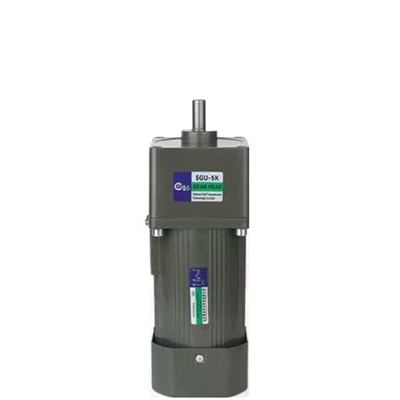
Hey there! As a supplier of IE4 Electric Motors, I often get asked about the weight of these motors. It's a crucial factor, especially when it comes to installation, transportation, and overall system design. So, let's dive right into it and figure out what the weight of an IE4 Electric Motor really means.
First off, what exactly is an IE4 Electric Motor? Well, IE4 motors are part of the high - efficiency motor classification. They are designed to consume less energy compared to their predecessors like the IE1 Three Phase Motor. This high efficiency is achieved through advanced design and the use of better materials. But how does this relate to weight?
The weight of an IE4 Electric Motor can vary widely depending on several factors. One of the most significant factors is the power rating. Generally speaking, the higher the power rating of the motor, the heavier it will be. A small - power IE4 motor, say one with a power rating of around 0.55 kW, might weigh anywhere from 10 to 20 kilograms. These are often used in small - scale industrial applications or in home appliances where space and weight are at a premium.
On the other hand, a large - power IE4 motor with a rating of 100 kW or more can weigh several hundred kilograms, sometimes even over a ton. These big motors are typically used in heavy - duty industrial applications such as large pumps, compressors, and conveyor systems. The heavy weight is due to the larger size of the components needed to handle the high power, like the stator, rotor, and the housing.

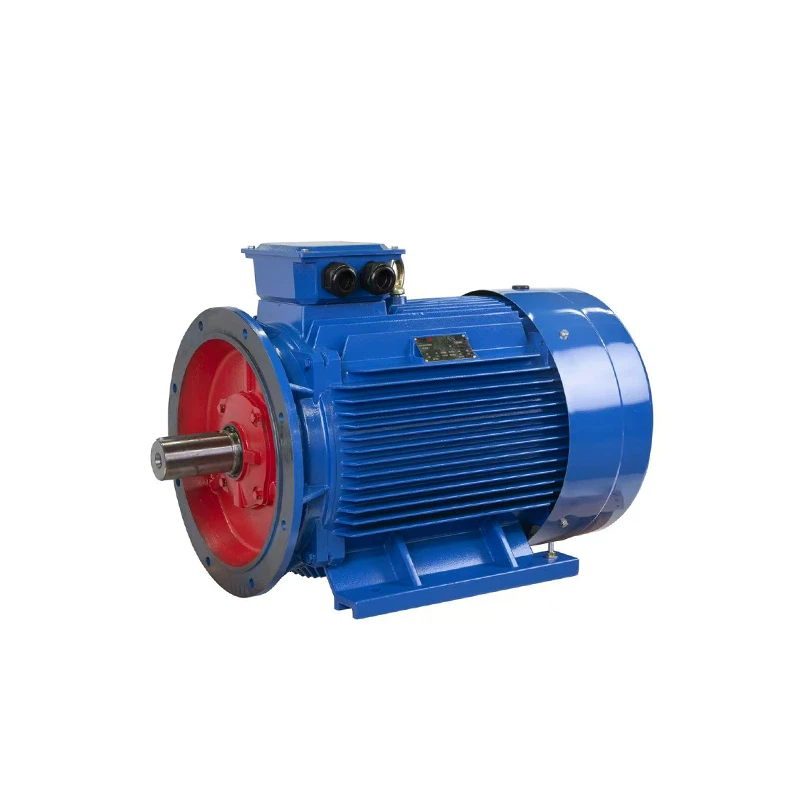
Another factor that affects the weight is the type of materials used in the motor's construction. For example, Aluminium Electric Motor are generally lighter than those made of cast iron. Aluminium has a lower density than cast iron, so motors with aluminium frames or components will weigh less. However, aluminium might not be as strong as cast iron in some cases, so it's a trade - off between weight and durability.
The design of the motor also plays a role. Some IE4 motors are designed with a more compact and lightweight structure. These motors often use advanced engineering techniques to reduce the size and weight of the components without sacrificing performance. For instance, the use of high - performance magnets in the rotor can reduce the overall size and weight of the motor while maintaining high efficiency.
Let's talk about why the weight of an IE4 Electric Motor matters. In terms of transportation, a lighter motor is much easier and cheaper to move. It requires less fuel to transport, and it can be handled more easily by smaller vehicles or lifting equipment. This is especially important for international shipments where transportation costs can be a significant part of the overall price.
During installation, the weight of the motor can also have a big impact. A heavy motor might require special lifting equipment and a more robust mounting structure. If the installation site is in a confined space, a lighter motor can be a real advantage as it's easier to maneuver into place.
From a performance perspective, the weight of the motor can affect the inertia of the system. A heavier motor has more inertia, which means it takes more energy to start and stop. This can be a consideration in applications where frequent starts and stops are required. However, in some cases, the higher inertia can also be beneficial as it can help to smooth out fluctuations in the load.
Now, let's compare the weight of IE4 motors with other types of motors. When compared to Y2 Three Phase Motor, IE4 motors are often more lightweight for the same power rating. This is because of the advanced design and materials used in IE4 motors. The Y2 motors, while reliable, are generally older in design and might use heavier materials.
As a supplier of IE4 Electric Motors, I understand that every customer has different requirements when it comes to motor weight. That's why we offer a wide range of motors with different power ratings, materials, and designs. Whether you need a lightweight motor for a small - scale application or a heavy - duty motor for a large industrial project, we've got you covered.
If you're in the market for an IE4 Electric Motor and are concerned about the weight, don't hesitate to reach out. We can provide you with detailed information about the weight of our motors based on your specific needs. We can also offer advice on the best motor for your application, taking into account factors like power, weight, and efficiency.
In conclusion, the weight of an IE4 Electric Motor is a complex topic that depends on multiple factors such as power rating, materials, and design. It has significant implications for transportation, installation, and performance. As a supplier, we're here to help you make the right choice for your project. So, if you're interested in purchasing an IE4 Electric Motor, let's start a conversation and find the perfect motor for you.
References
- General knowledge of electric motor engineering and industry standards.
- Product specifications and data sheets from motor manufacturers.