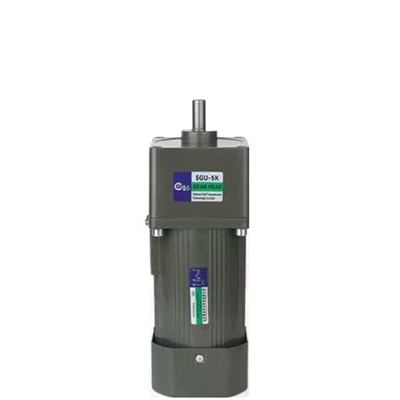
Hey there! As a supplier of vortex blowers, I've seen my fair share of issues that customers run into. Vortex blowers are super useful in a bunch of industries, but like any piece of equipment, they can have problems from time to time. In this blog, I'll walk you through how to troubleshoot a vortex blower.
1. Check the Power Supply
The first thing you gotta do when your vortex blower isn't working right is to check the power supply. It might sound simple, but a lot of times, the problem is just a loose connection or a tripped breaker.
- Inspect the Power Cord: Look at the power cord for any signs of damage, like cuts or frayed wires. If you find any, replace the cord right away. A damaged cord can not only cause the blower to stop working but also pose a safety hazard.
- Verify the Voltage: Make sure the voltage supplied to the blower matches the rated voltage on the nameplate. Using the wrong voltage can damage the motor. For example, if your Single Phase Vortex Blower is rated for 220V and you're supplying 110V, it won't work properly.
- Check the Circuit Breaker: If the blower suddenly stops, check the circuit breaker. Sometimes, the breaker trips due to an overload. If it has tripped, reset it and see if the blower starts. If it trips again right away, there might be a more serious problem.
2. Listen for Unusual Noises
Unusual noises coming from the vortex blower can be a sign of trouble. Different noises can indicate different issues.
- Grinding or Scraping Noises: These noises usually mean there's something rubbing against the impeller or other moving parts. It could be a foreign object that got into the blower. In this case, you need to turn off the blower immediately and remove the object. You might need to disassemble the blower carefully to access the impeller.
- Whistling or Squealing Noises: A high - pitched whistling or squealing noise could be due to a loose belt or a misaligned pulley. Check the belt tension and make sure the pulleys are properly aligned. If the belt is worn out, replace it.
- Rattling Noises: Rattling noises can be caused by loose bolts or screws. Go around the blower and tighten all the fasteners. Sometimes, a loose part can cause vibrations that lead to more serious damage over time.
3. Examine the Airflow
The airflow of a vortex blower is crucial. If the airflow is weak or inconsistent, there's definitely an issue.
- Measure the Airflow: You can use an anemometer to measure the airflow. Compare the measured airflow with the rated airflow specified by the manufacturer. If the airflow is significantly lower, there could be a blockage in the intake or exhaust.
- Check for Blockages: Inspect the intake and exhaust ports for any blockages. Dust, debris, or even insects can clog these ports. Clean them out using a brush or compressed air. Also, check the air filters if your blower has them. A dirty filter can restrict the airflow.
- Inspect the Ductwork: If the blower is connected to ductwork, check the ducts for any leaks or kinks. Leaky ducts can reduce the efficiency of the blower, and kinked ducts can block the airflow. Seal any leaks with duct tape and straighten out any kinks.
4. Monitor the Temperature
Overheating is a common problem with vortex blowers. High temperatures can damage the motor and other components.


- Feel the Blower Housing: Carefully touch the blower housing (but be careful not to burn yourself). If it's extremely hot to the touch, there's a problem. Overheating can be caused by a lack of ventilation, a blocked cooling fan, or an electrical issue.
- Check the Cooling Fan: If your blower has a cooling fan, make sure it's working properly. A malfunctioning cooling fan can't dissipate the heat effectively, leading to overheating. Check for any blockages in the fan and make sure it spins freely.
- Look for Electrical Issues: Electrical problems, such as a short circuit or a faulty capacitor, can also cause overheating. If you suspect an electrical issue, it's best to call a professional electrician to diagnose and fix the problem.
5. Analyze the Pressure
Vortex blowers are designed to generate a certain amount of pressure. If the pressure is off, it can affect the performance of the blower.
- Use a Pressure Gauge: Install a pressure gauge on the blower to measure the pressure. Compare the measured pressure with the rated pressure. If the pressure is too low, it could be due to a leak in the system, a blockage, or a problem with the impeller.
- Check for Leaks: Look for any signs of air leaks around the blower and the ductwork. You can use a soapy water solution to check for leaks. If you see bubbles forming, there's a leak. Seal the leak using an appropriate sealant.
- Inspect the Impeller: A damaged or worn - out impeller can cause a drop in pressure. Remove the impeller and inspect it for any signs of damage, such as cracks or chips. If the impeller is damaged, replace it.
6. Check the Motor
The motor is the heart of the vortex blower. If the motor isn't working properly, the blower won't run.
- Test the Motor Windings: You can use a multimeter to test the motor windings. Check for continuity between the different windings. If there's no continuity, it means there's a break in the winding, and the motor needs to be replaced.
- Look for Signs of Burnout: Inspect the motor for any signs of burnout, such as a burnt smell or blackened wires. If the motor has burned out, it's usually not worth trying to repair it. You should replace it with a new one.
- Check the Motor Bearings: Worn - out motor bearings can cause the motor to run poorly. Listen for any grinding or clicking noises coming from the motor. If you suspect the bearings are bad, replace them.
Conclusion
Troubleshooting a vortex blower can seem daunting, but by following these steps, you can usually identify and fix the problem. Remember, safety is always the top priority. If you're not comfortable doing any of the troubleshooting steps, it's best to call a professional.
If you're in the market for a new High Pressure Vortex Blower or need replacement parts for your existing blower, we're here to help. We offer high - quality vortex blowers and excellent customer service. Whether you have questions about troubleshooting or want to discuss your procurement needs, don't hesitate to reach out. We're ready to work with you to find the best solutions for your business.
References
- Manufacturer's manuals for vortex blowers
- Industry best practices for equipment troubleshooting