Hey there! As a supplier of QY Submersible Pumps, I often get asked about how to adjust the head of these pumps. So, I thought I'd put together this blog post to share some tips and tricks on the topic.
First off, let's talk about what the head of a pump actually means. In simple terms, the head is the height that the pump can lift water. It's usually measured in meters or feet. The head of a QY Submersible Pump is an important factor to consider because it determines how well the pump can perform in different applications.
Now, let's get into the nitty-gritty of how to adjust the head of a QY Submersible Pump. There are a few different methods you can use, depending on your specific needs and the type of pump you have.
Method 1: Adjusting the Impeller
One of the most common ways to adjust the head of a QY Submersible Pump is by changing the impeller. The impeller is the part of the pump that rotates and creates the pressure to move the water. By changing the size or shape of the impeller, you can increase or decrease the head of the pump.
If you want to increase the head of the pump, you can install a larger impeller. This will increase the amount of water that the pump can move and the pressure it can generate. On the other hand, if you want to decrease the head of the pump, you can install a smaller impeller. This will reduce the amount of water that the pump can move and the pressure it can generate.

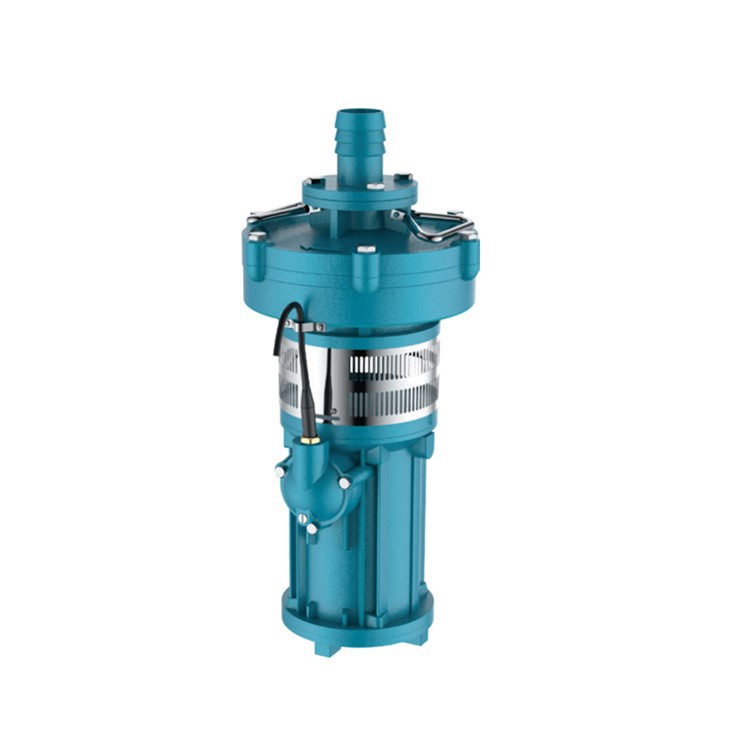
It's important to note that changing the impeller can be a bit tricky, so it's best to have a professional do it for you. They will have the tools and expertise to make sure that the impeller is installed correctly and that the pump is working properly.
Method 2: Adjusting the Motor Speed
Another way to adjust the head of a QY Submersible Pump is by changing the motor speed. The motor speed determines how fast the impeller rotates, which in turn affects the amount of water that the pump can move and the pressure it can generate.
If you want to increase the head of the pump, you can increase the motor speed. This will make the impeller rotate faster and increase the amount of water that the pump can move and the pressure it can generate. On the other hand, if you want to decrease the head of the pump, you can decrease the motor speed. This will make the impeller rotate slower and reduce the amount of water that the pump can move and the pressure it can generate.
It's important to note that changing the motor speed can also affect the power consumption of the pump. So, if you're looking to save energy, you may want to consider using a variable speed drive to adjust the motor speed.
Method 3: Adjusting the Discharge Pipe
The discharge pipe is the pipe that carries the water from the pump to the destination. By changing the diameter or length of the discharge pipe, you can adjust the head of the pump.
If you want to increase the head of the pump, you can use a smaller diameter discharge pipe. This will increase the resistance in the pipe and force the pump to work harder to move the water. On the other hand, if you want to decrease the head of the pump, you can use a larger diameter discharge pipe. This will reduce the resistance in the pipe and allow the pump to move the water more easily.
It's important to note that changing the discharge pipe can also affect the flow rate of the pump. So, if you're looking to maintain a certain flow rate, you may need to adjust the impeller or motor speed accordingly.
Method 4: Adjusting the Suction Pipe
The suction pipe is the pipe that carries the water from the source to the pump. By changing the diameter or length of the suction pipe, you can adjust the head of the pump.
If you want to increase the head of the pump, you can use a smaller diameter suction pipe. This will increase the resistance in the pipe and force the pump to work harder to draw the water in. On the other hand, if you want to decrease the head of the pump, you can use a larger diameter suction pipe. This will reduce the resistance in the pipe and allow the pump to draw the water in more easily.
It's important to note that changing the suction pipe can also affect the cavitation of the pump. Cavitation is a phenomenon that occurs when the pressure in the suction pipe drops below the vapor pressure of the water, causing the water to boil and form bubbles. These bubbles can damage the impeller and reduce the efficiency of the pump. So, if you're looking to avoid cavitation, you may need to use a larger diameter suction pipe or install a suction strainer to prevent debris from entering the pump.
Conclusion
Adjusting the head of a QY Submersible Pump is an important part of ensuring that the pump is working properly and efficiently. By using one or more of the methods described above, you can increase or decrease the head of the pump to meet your specific needs.
If you're still having trouble adjusting the head of your QY Submersible Pump, or if you have any other questions about our products, please don't hesitate to contact us. We're here to help you find the right solution for your pumping needs.
In addition to the QY Submersible Pump, we also offer a wide range of other submersible pumps, including the QD Submersible Pump and the QDX Submersible Pump. These pumps are designed for different applications and have different features and specifications. So, if you're looking for a submersible pump that's right for you, be sure to check out our website at QY Submersible Pump.
Thanks for reading! If you have any questions or comments, please feel free to leave them below. We'd love to hear from you.
References
- "Submersible Pump Handbook" by the Hydraulic Institute
- "Pump Engineering" by Igor J. Karassik et al.
- "Centrifugal Pumps" by L. E. Stepanoff