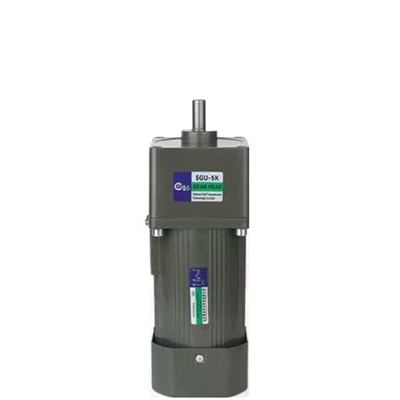
Can a single phase motor be used in a humid environment? This is a question that many customers often ask me as a single phase motor supplier. In this blog, I'll delve into this topic, exploring the feasibility, challenges, and solutions when using single phase motors in humid conditions.
Understanding Single Phase Motors
Before we discuss the use of single - phase motors in humid environments, let's briefly understand what single - phase motors are. Single - phase motors are electric motors that operate on a single - phase power supply. They are widely used in various applications, from small household appliances like fans and refrigerators to some light industrial equipment.


We offer a range of single - phase motors, including the ML Series Single Phase Motor, YL Series Single Phase Motor and 220 Volt Single Phase Motor. These motors are designed with different features and performance capabilities to meet diverse customer needs.
Challenges of Using Single Phase Motors in Humid Environments
Humidity can pose several challenges to the operation and longevity of single - phase motors.
Electrical Insulation Issues
One of the most significant problems is the impact on electrical insulation. Moisture can penetrate the insulation materials of the motor windings, reducing their insulation resistance. Over time, this can lead to short - circuits, which not only damage the motor but also pose a safety hazard. For example, if the moisture seeps into the copper windings of the motor, it can cause corrosion and break the electrical path, disrupting the normal operation of the motor.
Corrosion
Another major concern is corrosion. Metal components in the motor, such as the shaft, bearings, and the motor housing, are susceptible to corrosion in a humid environment. Corrosion can weaken the structural integrity of these parts. A corroded shaft may cause misalignment, leading to increased vibration and noise during motor operation. Moreover, corroded bearings can reduce the motor's efficiency and eventually lead to mechanical failure.
Mold and Mildew Growth
Humid conditions provide an ideal environment for mold and mildew growth. These organisms can grow on the motor's surface and even inside the motor if there are small openings. Mold and mildew can not only damage the appearance of the motor but also affect its performance. They may block ventilation openings, reducing the motor's ability to dissipate heat. As a result, the motor may overheat, which can further accelerate the degradation of insulation materials and other components.
Solutions to Overcome These Challenges
Although using single - phase motors in a humid environment is challenging, there are several solutions that can help mitigate these problems.
Proper Enclosure
Selecting a motor with a suitable enclosure is crucial. Enclosures are designed to protect the motor from environmental factors, including moisture. For example, an IP (Ingress Protection) rated enclosure can provide different levels of protection against dust and water. An IP54 rated enclosure can protect the motor from dust ingress to a large extent and splashing water from any direction. For more severe humid conditions, an IP65 or higher rated enclosure may be required, which offers complete protection against dust and water jets.
Moisture - Resistant Insulation Materials
Using moisture - resistant insulation materials in the motor windings can significantly improve the motor's performance in a humid environment. Some advanced insulation materials are designed to have high resistance to moisture absorption, which helps maintain the electrical insulation properties of the motor even in the presence of moisture.
Regular Maintenance
Regular maintenance is essential for motors operating in humid conditions. This includes inspecting the motor for signs of corrosion, mold growth, and insulation degradation. Cleaning the motor regularly to remove any accumulated dirt, dust, and moisture can prevent the growth of mold and mildew. Additionally, lubricating the bearings at appropriate intervals can reduce friction and wear, especially in a corrosive environment.
Heaters
Installing heaters inside the motor enclosure can help keep the motor dry. These heaters can be turned on when the motor is not in operation to prevent moisture from condensing on the motor components. By maintaining a slightly elevated temperature inside the enclosure, the heaters can reduce the relative humidity and protect the motor from the harmful effects of moisture.
Case Studies
Let's take a look at some real - world examples to illustrate the effectiveness of these solutions. A customer in a coastal area was using our 220 Volt Single Phase Motor in a small - scale fish processing plant. The high humidity in the plant was causing frequent motor failures due to corrosion and insulation problems. After we recommended upgrading to a motor with an IP65 rated enclosure and installing internal heaters, the motor's reliability increased significantly. The customer reported a drastic reduction in motor breakdowns and maintenance costs.
Another case involved a customer using our YL Series Single Phase Motor in a greenhouse. The humid environment in the greenhouse was promoting mold growth on the motor. By implementing a regular maintenance schedule that included cleaning the motor and checking for mold, and using moisture - resistant insulation materials, the motor's performance was improved, and its service life was extended.
Conclusion
In conclusion, a single - phase motor can be used in a humid environment, but it requires careful consideration and appropriate measures to overcome the challenges posed by humidity. By choosing the right motor with suitable enclosures, using moisture - resistant materials, and implementing a regular maintenance plan, it is possible to ensure the reliable operation of single - phase motors in such conditions.
If you are considering using single - phase motors in a humid environment or have any questions about our products, such as the ML Series Single Phase Motor, YL Series Single Phase Motor, or 220 Volt Single Phase Motor, please feel free to contact us for detailed information and professional advice. We are committed to providing high - quality single - phase motors and comprehensive solutions to meet your specific requirements.
References
- Electric Motor Handbook, Third Edition by Arnold E. Knowles
- Standard Handbook for Electrical Engineers, Fourteenth Edition by Donald G. Fink and H. Wayne Beaty
- IEEE Standards for Electric Motors and Generators