Troubleshooting a centrifugal pump is a crucial skill for anyone involved in industrial operations where these pumps are used. As a centrifugal pump supplier, I have encountered a wide range of issues with centrifugal pumps over the years. In this blog, I will share some common problems that you might face with centrifugal pumps and how to troubleshoot them effectively.
1. No Liquid Delivery
One of the most common problems with centrifugal pumps is the absence of liquid delivery. There are several possible causes for this issue:
A. Priming Problems
Centrifugal pumps need to be properly primed to work efficiently. If the pump is not primed correctly, air can get trapped in the pump casing, preventing the liquid from being drawn in. To troubleshoot this problem, first, check the priming system. Make sure that the suction line is filled with liquid and that there are no air leaks. You can also try manually priming the pump by filling the casing with liquid before starting it.
B. Suction Line Blockage
A blockage in the suction line can prevent the liquid from reaching the pump. Inspect the suction line for any debris, such as dirt, rocks, or foreign objects. You may need to remove the suction line and clean it thoroughly. Additionally, check the strainer at the end of the suction line. If it is clogged, clean or replace it.
C. Impeller Damage
The impeller is a key component of the centrifugal pump that is responsible for creating the centrifugal force to move the liquid. If the impeller is damaged, it may not be able to generate enough force to deliver the liquid. Inspect the impeller for signs of wear, corrosion, or breakage. If the impeller is damaged, it will need to be replaced. You can find high - quality impellers for your centrifugal pump in our product range, including those suitable for Industrial Vertical Pipeline Pump.
2. Low Flow Rate
If the pump is delivering a lower flow rate than expected, there are a few potential causes:
A. Worn Impeller
As mentioned earlier, a worn impeller can lead to reduced performance. Over time, the impeller blades can wear down, which decreases the efficiency of the pump. Measure the impeller dimensions and compare them to the manufacturer's specifications. If the impeller is worn beyond the acceptable limits, replace it.
B. Pump Speed
The flow rate of a centrifugal pump is directly related to its speed. If the pump is running at a lower speed than designed, the flow rate will be reduced. Check the motor speed and ensure that it is operating at the correct RPM. You may need to check the motor control system, including the VFD (Variable Frequency Drive) if one is installed.
C. System Resistance
An increase in system resistance can also cause a low flow rate. Check the discharge line for any restrictions, such as valves that are partially closed, or pipes that are too small in diameter. Make sure that all valves in the system are fully open and that the pipes are sized correctly for the required flow rate.
3. High Vibration
Excessive vibration in a centrifugal pump can indicate several problems:
A. Misalignment
Misalignment between the pump and the motor is a common cause of vibration. Check the alignment of the pump and motor shafts using a laser alignment tool. If the alignment is off, adjust the position of the pump or motor to ensure that the shafts are in line.
B. Unbalanced Impeller
An unbalanced impeller can cause the pump to vibrate. This can be due to uneven wear on the impeller or the presence of foreign objects on the impeller. Remove the impeller and have it balanced by a professional.
C. Loose Mounting
If the pump is not properly mounted, it can vibrate excessively. Check the mounting bolts and ensure that they are tightened to the correct torque. Also, inspect the baseplate for any signs of damage or deformation.
4. Overheating
Overheating of the centrifugal pump can be a serious issue that can lead to pump failure if not addressed promptly:
A. Lack of Lubrication
The bearings in the pump require proper lubrication to operate smoothly. If the lubricant level is low or the lubricant has deteriorated, the bearings can overheat. Check the lubricant level and quality regularly. If necessary, add or replace the lubricant according to the manufacturer's recommendations.

B. High Friction
Excessive friction in the pump can also cause overheating. This can be due to worn bearings, misaligned shafts, or a damaged seal. Inspect the bearings, shafts, and seals for signs of wear or damage. Replace any components that are worn or damaged.
C. High Operating Temperature of the Liquid
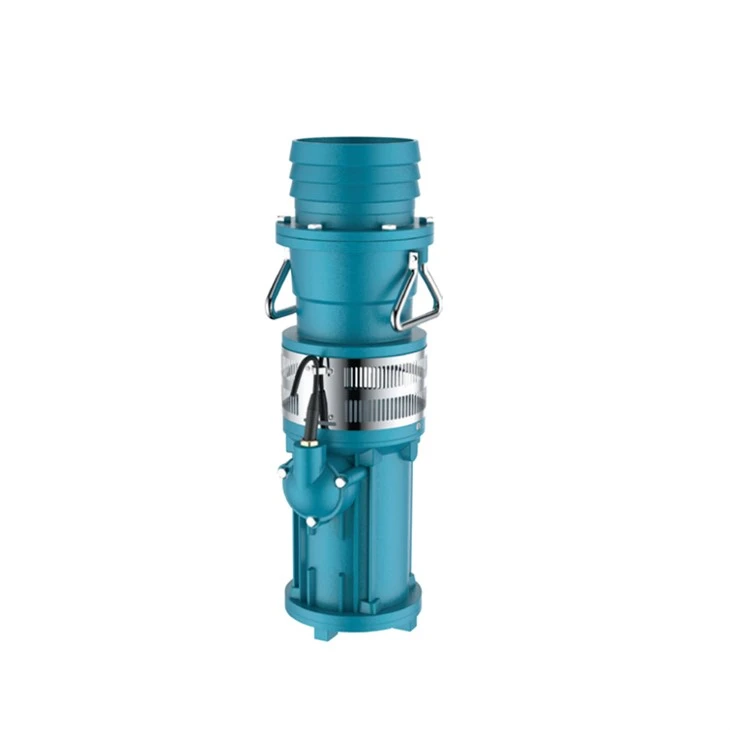
If the liquid being pumped is at a high temperature, it can cause the pump to overheat. Check the temperature of the liquid and ensure that it is within the pump's operating range. If the liquid temperature is too high, you may need to install a cooling system or select a pump that is designed for high - temperature applications, such as our QY Submersible Pump which can handle a wide range of operating conditions.
5. Noise
Unusual noise from a centrifugal pump can be a sign of a problem:
A. Cavitation
Cavitation occurs when the pressure in the liquid drops below the vapor pressure, causing the formation of vapor bubbles. When these bubbles collapse, they create a loud noise and can damage the pump components. Check the suction pressure and ensure that it is above the minimum required pressure to prevent cavitation. You may need to increase the suction head or reduce the flow rate.
B. Bearing Failure
Worn or damaged bearings can produce a grinding or whining noise. Inspect the bearings for signs of wear, such as pitting or scoring. Replace the bearings if they are damaged.
C. Foreign Objects
The presence of foreign objects in the pump can cause a rattling or banging noise. Disassemble the pump and inspect the internal components for any foreign objects. Remove any debris that you find.
6. Leakage
Leakage from a centrifugal pump can be a significant problem:
A. Seal Failure
The seals in the pump are responsible for preventing liquid from leaking out. If the seals are worn or damaged, they can allow the liquid to escape. Inspect the seals for signs of wear, such as cracks or tears. Replace the seals if necessary. You can find high - quality replacement seals in our product inventory, suitable for various types of centrifugal pumps, including the WQK Cutting Sewage Pump.
B. Gasket Damage
Gaskets are used to create a seal between different pump components. If the gaskets are damaged or not installed correctly, they can cause leakage. Check the gaskets for any signs of damage and replace them if needed. Make sure that the gaskets are installed properly and tightened to the correct torque.
In conclusion, troubleshooting a centrifugal pump requires a systematic approach. By following the steps outlined above, you can identify and resolve most common problems with centrifugal pumps. As a centrifugal pump supplier, we are committed to providing high - quality pumps and components, as well as technical support to help you keep your pumps running smoothly. If you are experiencing persistent problems with your centrifugal pump or are in need of new pumps or replacement parts, please feel free to contact us for procurement and further discussion. We look forward to serving you and meeting your centrifugal pump needs.
References
- Pump Handbook, Karassik, I. J., Messina, J. P., Cooper, P. T., & Heald, C. C. (2008).
- Centrifugal Pumps: Design and Application, Stepanoff, A. J. (1957).