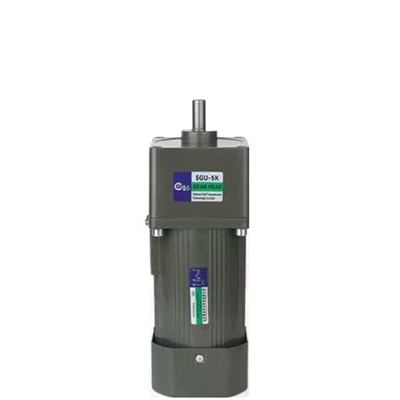
As a seasoned gear motor supplier, I've witnessed firsthand the critical role that starting torque plays in the performance of gear motors. In this blog post, I'll delve into the concept of starting torque, its significance in gear motors, and how it impacts various applications.
Understanding Starting Torque
Starting torque refers to the amount of torque a motor can generate when it starts from a standstill. It is a crucial parameter because it determines whether the motor can overcome the initial inertia and load resistance to start rotating. In the context of gear motors, starting torque is particularly important due to the presence of gears, which can add additional load and inertia.
When a gear motor is switched on, it needs to generate enough torque to overcome the static friction in the gears and bearings, as well as the load connected to the output shaft. If the starting torque is insufficient, the motor may fail to start or may experience a slow and jerky start, which can lead to premature wear and tear on the motor and the connected equipment.
Factors Affecting Starting Torque
Several factors can influence the starting torque of a gear motor. One of the most significant factors is the motor design. Different types of motors, such as DC motors, AC motors, and stepper motors, have different starting torque characteristics. For example, DC motors typically have a high starting torque, making them suitable for applications that require quick acceleration and high starting loads.
The gear ratio also plays a crucial role in determining the starting torque. A higher gear ratio can increase the output torque of the gear motor, but it also reduces the speed. Therefore, when selecting a gear motor, it's important to find the right balance between torque and speed based on the specific application requirements.
The load inertia is another important factor. If the load connected to the gear motor has a high inertia, it will require more torque to start rotating. For example, applications such as conveyor belts, hoists, and large fans often have high inertia loads, which require gear motors with high starting torque.
Importance of Starting Torque in Different Applications
The starting torque of a gear motor is of utmost importance in various industrial and commercial applications. Let's take a look at some examples:
Conveyor Systems
Conveyor systems are widely used in industries such as manufacturing, logistics, and food processing. These systems require gear motors with sufficient starting torque to overcome the static friction of the conveyor belt and the weight of the materials being transported. A gear motor with low starting torque may cause the conveyor to start slowly or even stall, leading to production delays and inefficiencies. Gear Reduction Motor is often a popular choice for conveyor systems due to its ability to provide high torque at low speeds.
Hoists and Cranes
Hoists and cranes are used for lifting and moving heavy loads. These applications require gear motors with high starting torque to lift the load from a standstill. A lack of sufficient starting torque can result in the load not being lifted properly or the motor overheating due to excessive current draw. 220V AC Gear Motor is commonly used in hoists and cranes because it can provide the necessary starting torque and reliable operation.
Robotics
In robotics, gear motors are used to drive the joints and actuators. The starting torque of the gear motor determines how quickly the robot can move its limbs and perform tasks. For example, in a robotic arm, a gear motor with high starting torque can enable the arm to quickly pick up and place objects, improving the overall efficiency of the robot. 400W AC Gear Motor can be a suitable option for robotics applications that require high torque and precise control.
Measuring and Calculating Starting Torque
Measuring the starting torque of a gear motor can be done using a torque sensor. The torque sensor is connected to the output shaft of the gear motor, and it measures the torque generated by the motor during the starting process. The measured starting torque can then be compared with the rated starting torque specified by the manufacturer to ensure that the motor is performing as expected.
Calculating the starting torque of a gear motor can be a complex process, as it involves considering various factors such as the motor design, gear ratio, and load inertia. However, in general, the starting torque can be estimated using the following formula:
[T_{start} = K \times T_{rated}]
where (T_{start}) is the starting torque, (T_{rated}) is the rated torque of the motor, and (K) is a factor that depends on the motor type and other factors. For example, for a DC motor, the value of (K) can range from 1.5 to 3, depending on the motor design and the load conditions.
Selecting the Right Gear Motor Based on Starting Torque
When selecting a gear motor for a specific application, it's essential to consider the starting torque requirements. Here are some steps to help you choose the right gear motor:
- Determine the load requirements: Calculate the load torque and inertia of the application. This will give you an idea of the minimum starting torque required by the gear motor.
- Consider the motor type: Different types of motors have different starting torque characteristics. Choose a motor type that is suitable for the application requirements. For example, if you need high starting torque, a DC motor or a stepper motor may be a good choice.
- Select the appropriate gear ratio: The gear ratio affects the output torque and speed of the gear motor. Choose a gear ratio that provides the right balance between torque and speed for the application.
- Check the manufacturer's specifications: Review the manufacturer's specifications for the gear motor, including the rated starting torque, maximum torque, and speed characteristics. Make sure the gear motor meets the application requirements.
Conclusion
In conclusion, the starting torque of a gear motor is a critical parameter that determines its ability to start and operate under various load conditions. Understanding the concept of starting torque, the factors that affect it, and its importance in different applications is essential for selecting the right gear motor for your specific needs.
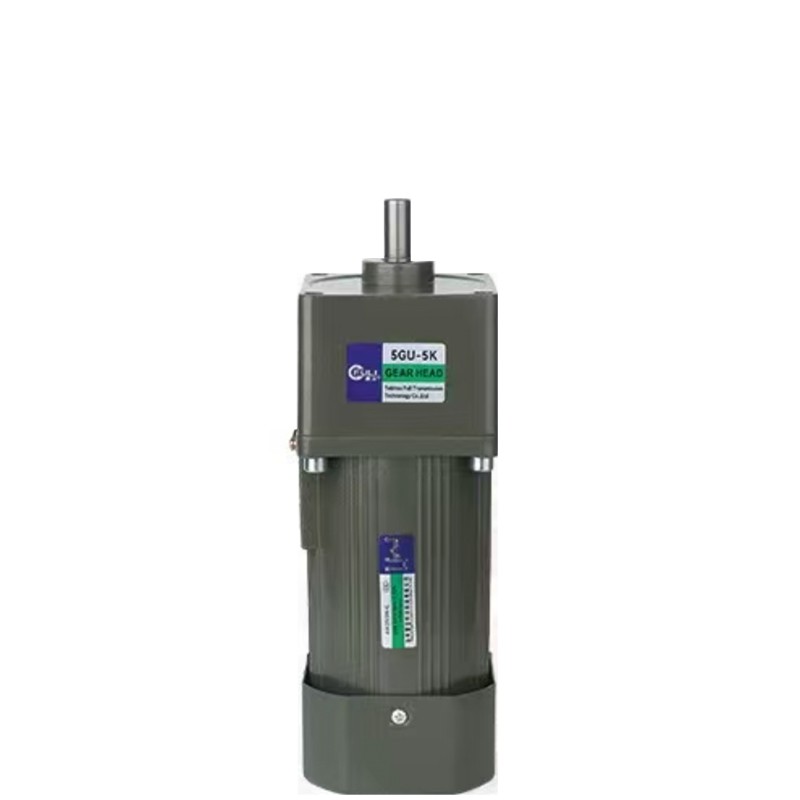
As a gear motor supplier, I'm committed to providing high-quality gear motors with excellent starting torque characteristics. Whether you're looking for a Gear Reduction Motor, a 220V AC Gear Motor, or a 400W AC Gear Motor, I can help you find the perfect solution for your application.

If you have any questions or need assistance in selecting the right gear motor, please don't hesitate to contact me. I'm here to help you make an informed decision and ensure the success of your project.
References
- Electric Machinery Fundamentals by Stephen J. Chapman
- Motor Handbook by Arnold E. Fitzgerald, Charles Kingsley Jr., and Stephen D. Umans
- Industrial Motor Control by Timothy H. Leland