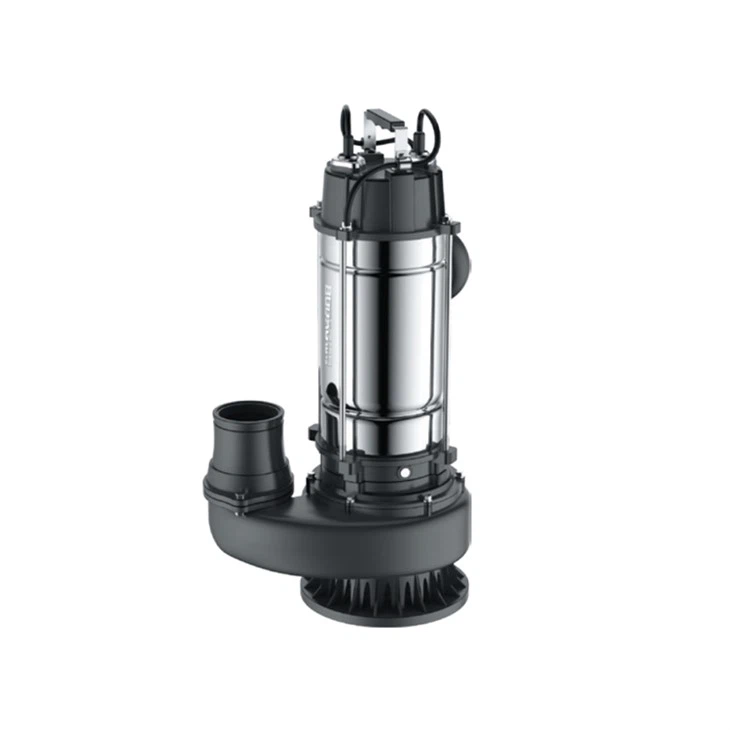
Hey there! As a supplier of QY Submersible Pumps, I know how important it is to store these pumps properly when they're not in use. A well - stored pump not only lasts longer but also performs better when you need it again. So, let's dive into the details of how to store your QY Submersible Pump [/submersible-pump/clean-water-submersible-pump/qy-submersible-pump.html].
1. Pre - storage Cleaning
Before you even think about storing your QY Submersible Pump, you gotta clean it up. First off, turn off the power supply. Safety first, right? Then, remove the pump from the water source. You can use a hose to rinse off any dirt, debris, or sediment that might be stuck on the outside of the pump. Pay special attention to the intake and outlet ports. These areas can easily get clogged, and if dirt is left in there during storage, it can cause problems later on.
If there's stubborn grime, you can use a mild detergent and a soft brush to gently scrub the pump. But make sure you rinse it thoroughly to get rid of all the soap. Also, check the impeller. Sometimes, small twigs or leaves can get caught in it. Remove any foreign objects you find, as they can damage the impeller over time.
2. Drying the Pump
Once you've cleaned the pump, it's crucial to dry it completely. Water left inside the pump can lead to rust and corrosion, which are the enemies of a good - working pump. You can start by wiping the outside of the pump with a dry cloth. Then, tilt the pump in different directions to let any remaining water drain out.
For a more thorough drying, you can use a low - heat fan. Point the fan at the pump and let it blow for a few hours. Make sure all the nooks and crannies are dry. You can also leave the pump in a well - ventilated area for a day or two to ensure it's completely moisture - free.
3. Lubrication
Lubrication is another key step in pump storage. Check the manufacturer's guidelines for the right type of lubricant to use. Usually, a light - weight oil is recommended for the moving parts of the pump. Apply a small amount of lubricant to the bearings and the shaft. This helps prevent them from seizing up during storage.
Don't over - lubricate, though. Too much oil can attract dust and dirt, which can also cause problems. Just a thin, even coat is enough to keep the parts moving smoothly when you use the pump again.
4. Disassembly (if necessary)
In some cases, it might be a good idea to disassemble the pump for storage. If your QY Submersible Pump has removable parts like the motor cover or the impeller housing, take them off carefully. This can make it easier to clean and dry the individual components.
Keep all the parts organized. You can use a plastic container or a small box to store the disassembled parts. Label the parts if you need to, so you know where everything goes when it's time to reassemble the pump.
5. Storage Location
The place where you store your QY Submersible Pump matters a lot. First of all, find a dry area. Basements or garages can be good options, but make sure they're not prone to flooding. You don't want your pump sitting in water.
The temperature of the storage area is also important. Extreme heat or cold can damage the pump. Try to keep the temperature between 50°F and 80°F (10°C and 27°C). Also, avoid areas with high humidity, as this can lead to rust.
If possible, store the pump on a shelf or a raised platform. This keeps it off the ground, away from potential water splashes and dirt. You can also cover the pump with a plastic tarp or a pump cover to protect it from dust.

6. Regular Checks
Even when the pump is in storage, you can't just forget about it. It's a good idea to check on the pump every few months. Look for any signs of rust, corrosion, or damage. If you notice any issues, address them right away.
Check the lubrication levels too. If the lubricant has dried up, re - apply a small amount. Also, make sure the storage area is still dry and at the right temperature.
7. Comparison with Other Submersible Pumps
While we're talking about QY Submersible Pumps, it's worth mentioning other types of submersible pumps like the QD Submersible Pump [/submersible-pump/clean-water-submersible-pump/qd-submersible-pump.html] and the QDX Submersible Pump [/submersible-pump/clean-water-submersible-pump/qdx-submersible-pump.html]. The basic storage principles are similar for all these pumps. However, each type might have some specific requirements.
For example, the QD Submersible Pump might be more suitable for handling clean water with low - viscosity, and its storage might require extra care to keep the water - intake parts clean. The QDX Submersible Pump, on the other hand, might have different electrical components, so you need to be more careful with the wiring during storage.
Conclusion
Storing your QY Submersible Pump properly is essential for its longevity and performance. By following these steps - cleaning, drying, lubricating, choosing the right storage location, and doing regular checks - you can ensure that your pump is in top - notch condition when you need it again.
If you're in the market for a new QY Submersible Pump or have any questions about pump storage, feel free to reach out. We're here to help you make the best decisions for your pumping needs. Whether you're using the pump for residential or commercial purposes, we've got the expertise to assist you. So, don't hesitate to contact us for more information and to start a procurement discussion.
References
- Manufacturer's manual for QY Submersible Pump
- Industry best practices for submersible pump storage