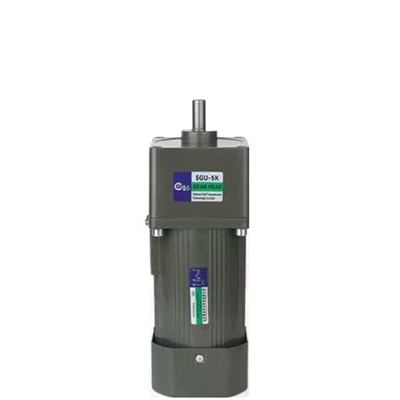
As a supplier of IE3 Electric Motors, I understand the growing importance of energy optimization in today's industrial landscape. With the increasing demand for sustainable and cost - effective solutions, optimizing the energy consumption of an IE3 electric motor is not only beneficial for the environment but also for the bottom line of our customers. In this blog, I will share some practical strategies that can be employed to achieve this goal.
Understanding IE3 Electric Motors
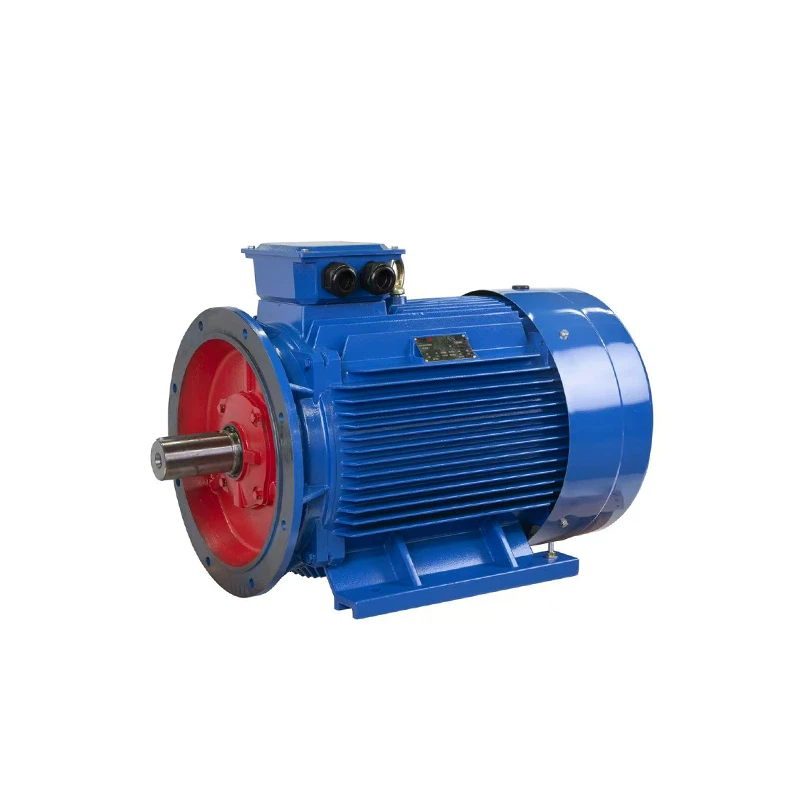
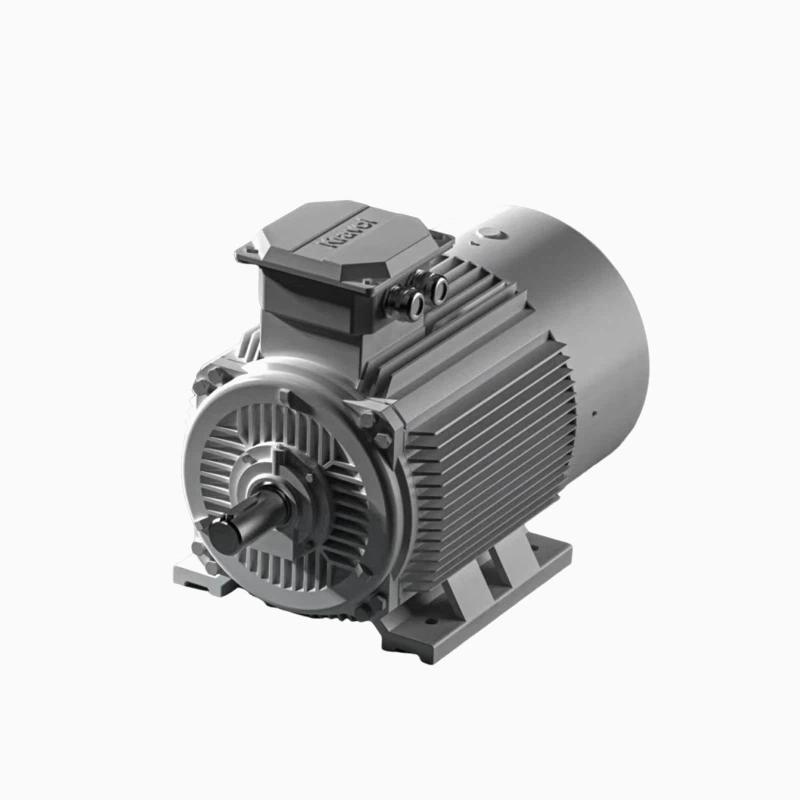
Before delving into the optimization strategies, it's essential to have a clear understanding of what an IE3 Electric Motor is. IE3 motors are part of the international efficiency (IE) classification system, which was established to standardize the energy efficiency of electric motors. IE3 motors are known for their high efficiency, which means they convert a larger proportion of electrical energy into mechanical energy compared to lower - efficiency motors, such as IE1 Three Phase Motor.
The high efficiency of IE3 motors is achieved through several design features. These include the use of high - quality materials, such as low - loss electrical steel in the stator core, and advanced manufacturing techniques that minimize magnetic losses and improve the overall performance of the motor. However, even with these inherent advantages, there is still room for further energy optimization.
Proper Sizing of the Motor
One of the most fundamental steps in optimizing the energy consumption of an IE3 electric motor is proper sizing. An oversized motor will operate at a lower load factor, which can lead to increased energy consumption. On the other hand, an undersized motor may not be able to meet the load requirements, resulting in overheating and premature failure.
To determine the appropriate motor size, it's crucial to accurately calculate the load requirements of the application. This involves considering factors such as the torque, speed, and power requirements of the driven equipment. In some cases, it may be necessary to conduct a detailed load analysis using specialized tools and software. By selecting a motor that is properly sized for the application, the motor can operate at or near its maximum efficiency point, reducing energy consumption.
Variable Frequency Drives (VFDs)
Variable Frequency Drives, also known as VFDs or inverters, are an effective way to optimize the energy consumption of an IE3 electric motor. A Inverter Duty Motor is designed to work in conjunction with a VFD. A VFD allows the motor speed to be adjusted according to the load requirements of the application.
In many industrial applications, the load on the motor varies over time. For example, in a pumping system, the flow rate may need to be adjusted depending on the demand. By using a VFD, the motor speed can be reduced when the load is low, which in turn reduces the energy consumption. Studies have shown that using a VFD can result in energy savings of up to 50% in some applications.
When selecting a VFD, it's important to choose one that is compatible with the IE3 motor and the application requirements. The VFD should have the appropriate power rating, control features, and protection functions. Additionally, proper installation and commissioning of the VFD are essential to ensure optimal performance.
Regular Maintenance
Regular maintenance is another key factor in optimizing the energy consumption of an IE3 electric motor. Over time, the performance of the motor can degrade due to factors such as wear and tear, dirt accumulation, and lubrication issues. By performing regular maintenance, these issues can be identified and addressed before they lead to significant energy losses.
Some of the maintenance tasks that should be carried out regularly include checking the motor's insulation resistance, cleaning the motor windings, and inspecting the bearings. Proper lubrication of the bearings is also crucial, as insufficient or excessive lubrication can increase friction and energy consumption. Additionally, monitoring the motor's operating parameters, such as temperature, current, and voltage, can help detect any potential problems early on.
Power Factor Correction
Power factor is a measure of how effectively electrical power is being used by the motor. A low power factor means that the motor is drawing more current from the power supply than is necessary, which can result in increased energy consumption and higher electricity bills.
Power factor correction can be achieved by installing power factor correction capacitors. These capacitors help to offset the reactive power consumed by the motor, improving the power factor and reducing the overall current draw. By improving the power factor, the energy efficiency of the motor can be increased, and the electricity costs can be reduced.
When implementing power factor correction, it's important to calculate the appropriate size of the capacitors based on the motor's power rating and the existing power factor. Improperly sized capacitors can lead to over - correction or under - correction, which can have a negative impact on the motor's performance.
System Optimization
In addition to optimizing the motor itself, it's also important to consider the entire system in which the motor operates. The motor is just one component of a larger system, and the performance of the system as a whole can have a significant impact on the energy consumption of the motor.
For example, in a conveyor system, the efficiency of the conveyor belts, pulleys, and other mechanical components can affect the load on the motor. By optimizing these components, such as reducing friction and improving alignment, the overall energy consumption of the system can be reduced. Additionally, coordinating the operation of multiple motors in a system can also lead to energy savings.
Monitoring and Analysis
Finally, continuous monitoring and analysis of the motor's energy consumption are essential for long - term energy optimization. By using energy monitoring devices, such as power meters and energy management systems, the motor's energy usage can be tracked over time. This data can then be analyzed to identify any trends or anomalies in the energy consumption.
Based on the analysis, further optimization measures can be implemented. For example, if the data shows that the motor is consuming more energy during certain periods, adjustments can be made to the operating schedule or the control settings. Additionally, comparing the energy consumption of different motors in the same application can help identify any underperforming motors that may require further attention.
Conclusion
Optimizing the energy consumption of an IE3 electric motor is a multi - faceted process that involves proper sizing, the use of variable frequency drives, regular maintenance, power factor correction, system optimization, and continuous monitoring. By implementing these strategies, our customers can not only reduce their energy costs but also contribute to a more sustainable future.
If you are interested in learning more about how to optimize the energy consumption of IE3 electric motors or are looking to purchase high - quality IE3 motors for your application, I encourage you to reach out to us for a detailed discussion. Our team of experts is ready to provide you with the best solutions tailored to your specific needs.
References
- International Electrotechnical Commission (IEC). IEC 60034 - 30 - 1:2014, Rotating electrical machines - Part 30 - 1: Efficiency classes of single - speed, three - phase, cage induction motors (IE code).
- IEEE Standards Association. IEEE 112 - 2004, Standard Test Procedure for Polyphase Induction Motors and Generators.
- U.S. Department of Energy. Energy - Efficient Electric Motor Systems: A Guide for Industry.