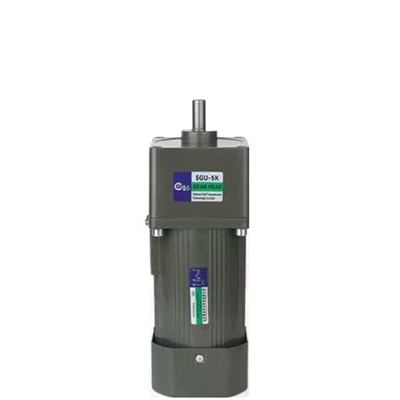
As a supplier of vertical pumps, ensuring the reliability of these pumps is not only a technical challenge but also a commitment to our customers. In this blog, I'll share some key strategies and practices that we implement to guarantee the reliable operation of vertical pumps.
1. High - Quality Material Selection
The first step in ensuring the reliability of a vertical pump is choosing the right materials. Different applications require different material properties. For instance, in corrosive environments such as chemical processing plants, we use stainless steel or other corrosion - resistant alloys for the pump casing, impeller, and other critical components. Stainless steel, like 316L, offers excellent resistance to a wide range of chemicals, which helps prevent premature wear and failure due to corrosion.
In applications where the pumped fluid contains abrasive particles, such as in mining or wastewater treatment, we opt for materials with high hardness and wear resistance. High - chrome alloys are often used for impellers in such cases. These materials can withstand the erosive forces caused by the abrasive particles, ensuring a longer service life for the pump.
2. Precise Design and Engineering
A well - designed vertical pump is the foundation of its reliability. Our engineering team uses advanced design software and simulation tools to optimize the pump's hydraulic performance, mechanical structure, and overall efficiency.
In terms of hydraulic design, we focus on achieving a smooth flow path within the pump. This reduces turbulence and cavitation, which can cause damage to the impeller and other components over time. By carefully calculating the impeller's shape, size, and blade angle, we can ensure that the pump operates at its best efficiency point (BEP) under normal working conditions.
Mechanically, we pay close attention to the pump's structural integrity. The shaft design is crucial, as it must be able to withstand the radial and axial loads generated during operation. We use finite element analysis (FEA) to analyze the stress distribution on the shaft and other critical parts, making necessary adjustments to ensure they can handle the expected loads without deformation or failure.
3. Rigorous Manufacturing Process
The manufacturing process is where the design comes to life, and strict quality control is essential. Our manufacturing facilities are equipped with state - of - the - art machinery and adhere to international quality standards.
During the machining process, we use precision cutting tools and advanced manufacturing techniques to ensure the dimensional accuracy of each component. For example, the impeller must be machined to very tight tolerances to ensure proper hydraulic performance. Any deviation in the impeller's dimensions can lead to reduced efficiency and increased vibration.
We also have a comprehensive inspection system in place at every stage of the manufacturing process. Non - destructive testing methods, such as ultrasonic testing and magnetic particle inspection, are used to detect any internal defects in the components. This helps us identify and correct potential issues before the pump is assembled.
4. Thorough Testing and Quality Assurance
Before a vertical pump leaves our factory, it undergoes a series of rigorous tests to ensure its reliability. We conduct performance tests to verify that the pump meets the specified flow rate, head, and efficiency requirements. These tests are carried out in a test rig that simulates the actual operating conditions as closely as possible.
In addition to performance tests, we also perform vibration and noise tests. Excessive vibration can indicate misalignment, imbalance, or other mechanical problems, which can lead to premature failure. By measuring the vibration levels during the test, we can identify and correct any issues before the pump is delivered to the customer.
We also offer a quality assurance guarantee for our pumps. This gives our customers peace of mind knowing that if there are any problems with the pump within a certain period, we will take responsibility for repairs or replacements.
5. Proper Installation and Commissioning
Even the most reliable vertical pump can experience problems if it is not installed and commissioned correctly. We provide detailed installation manuals and on - site installation guidance to our customers.
During the installation process, it is crucial to ensure that the pump is properly aligned with the motor and the piping system. Misalignment can cause excessive stress on the shaft and bearings, leading to premature wear and failure. We use laser alignment tools to ensure accurate alignment, which helps to extend the pump's service life.
Commissioning is also an important step. We train our customers' operators on how to start up, shut down, and monitor the pump correctly. This includes setting the correct operating parameters, such as flow rate and pressure, and understanding the warning signs of potential problems.
6. Regular Maintenance and Monitoring
Regular maintenance is essential for the long - term reliability of a vertical pump. We recommend a preventive maintenance schedule that includes tasks such as lubrication, bearing inspection, and impeller cleaning.
Lubrication is crucial for the proper functioning of the bearings. Over time, the lubricant can degrade and lose its effectiveness, leading to increased friction and wear. We provide guidelines on the type and frequency of lubrication to ensure optimal bearing performance.


Bearing inspection should be carried out regularly to detect any signs of wear or damage. By replacing worn - out bearings in a timely manner, we can prevent more serious problems from occurring.
In addition to regular maintenance, continuous monitoring of the pump's operating parameters is also important. We offer remote monitoring systems that can collect data on variables such as temperature, vibration, and pressure. This data can be analyzed to detect any potential issues early, allowing for proactive maintenance and minimizing downtime.
Our Product Range
We offer a wide range of vertical pumps to meet different customer needs. Our Industrial Vertical Pipeline Pump is designed for industrial applications, with high - efficiency and reliable performance. The Vertical Pipeline Pump is suitable for general pipeline systems, providing a cost - effective solution. And our ISW Vertical Pump is known for its excellent hydraulic performance and energy - saving features.
Contact Us for Procurement
If you are in the market for a reliable vertical pump, we invite you to contact us for procurement. Our team of experts is ready to help you select the most suitable pump for your application and provide you with comprehensive after - sales service. We are committed to ensuring that you get the best value for your investment and a pump that will serve you reliably for years to come.
References
- "Pump Handbook" by Igor J. Karassik et al.
- "Centrifugal Pumps: Design and Application" by Heinz P. Bloch.