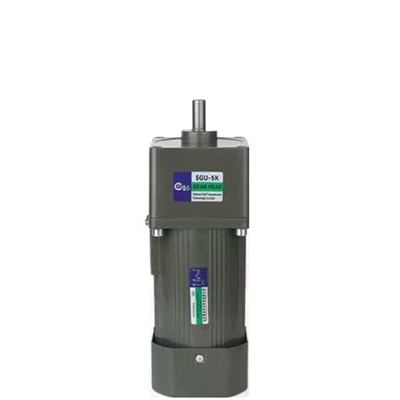
What is the lifespan of an inverter duty motor?
As a reputable supplier of inverter duty motors, I've been asked numerous times about the lifespan of these crucial industrial components. Inverter duty motors are designed to operate with variable frequency drives (VFDs), offering enhanced control and energy efficiency. Understanding their lifespan is essential for businesses to plan maintenance, budget for replacements, and ensure continuous operations.
Factors Affecting the Lifespan of Inverter Duty Motors
The lifespan of an inverter duty motor can vary significantly depending on several factors. Let's delve into the key elements that influence how long these motors will last.
1. Quality of Manufacturing
The quality of materials and the manufacturing process play a pivotal role in determining the motor's lifespan. Motors constructed with high - grade copper windings, premium insulation materials, and precision - engineered components are likely to have a longer service life. At our company, we adhere to strict quality control measures during the manufacturing process. We source the finest materials and use advanced production techniques to ensure that our inverter duty motors meet the highest standards of performance and durability.


2. Operating Conditions
The environment in which the motor operates has a substantial impact on its lifespan. High temperatures, humidity, dust, and vibration can all accelerate wear and tear. For instance, if a motor is installed in a hot and dusty industrial environment without proper ventilation, the heat generated during operation may not dissipate effectively, leading to overheating. Overheating can cause the insulation of the motor windings to degrade, reducing the motor's lifespan. Similarly, excessive vibration can loosen connections and damage internal components.
3. Load and Usage Patterns
The load that the motor is subjected to and how it is used also affect its longevity. A motor that operates at or near its maximum capacity for extended periods will experience more stress compared to one that operates at a lower load. Additionally, frequent starts and stops can place additional strain on the motor's components, such as the bearings and windings. It is important to properly size the motor for the intended application to ensure that it operates within its optimal load range.
4. Maintenance and Servicing
Regular maintenance and servicing are crucial for extending the lifespan of an inverter duty motor. Simple tasks such as checking and tightening electrical connections, lubricating bearings, and cleaning the motor can prevent many common problems. Scheduled inspections by qualified technicians can also help identify potential issues before they become major failures. At our company, we offer comprehensive maintenance services to our customers, ensuring that their motors are in top - notch condition.
Typical Lifespan of Inverter Duty Motors
Under normal operating conditions and with proper maintenance, an inverter duty motor can last anywhere from 15 to 25 years. However, this is just a general estimate, and the actual lifespan can be shorter or longer depending on the factors mentioned above.
For example, a well - maintained motor operating in a clean and cool environment with a moderate load may reach the upper end of this range or even exceed it. On the other hand, a motor exposed to harsh conditions and subjected to heavy loads without proper maintenance may fail within a few years.
Extending the Lifespan of Inverter Duty Motors
There are several steps that businesses can take to extend the lifespan of their inverter duty motors.
1. Proper Installation
Ensure that the motor is installed correctly according to the manufacturer's specifications. This includes proper alignment, securing the motor to a stable base, and providing adequate ventilation. Incorrect installation can lead to premature wear and tear and may even void the motor's warranty.
2. Monitoring and Control
Implement a monitoring system to keep track of the motor's operating parameters such as temperature, current, and vibration. By detecting any abnormal changes early, corrective actions can be taken to prevent further damage. Modern VFDs often come with built - in monitoring features that can provide valuable insights into the motor's performance.
3. Upgrade to Energy - Efficient Models
Consider upgrading to more energy - efficient motors such as the IE4 Electric Motor or IE2 Electric Motor. These motors not only consume less energy but also tend to generate less heat, which can contribute to a longer lifespan.
4. Use Appropriate Braking Systems
If the application requires braking, use a suitable braking system such as the Three Phase Brake Motor. A well - designed braking system can reduce the stress on the motor during stops and starts, thereby extending its lifespan.
Conclusion
The lifespan of an inverter duty motor is influenced by a variety of factors, including manufacturing quality, operating conditions, load and usage patterns, and maintenance. By understanding these factors and taking appropriate measures, businesses can maximize the lifespan of their motors and ensure reliable and efficient operations.
As a leading supplier of inverter duty motors, we are committed to providing high - quality products and excellent customer service. If you are in the market for a new inverter duty motor or need assistance with motor maintenance, we invite you to contact us for a consultation. Our team of experts will be happy to help you find the right solution for your specific needs.
References
- "Electric Motor Handbook", Second Edition, by Arnold E. Fitzgerald, Charles Kingsley Jr., and Stephen D. Umans
- "Variable Frequency Drives: Selection, Application, and Troubleshooting" by William C. Boyes