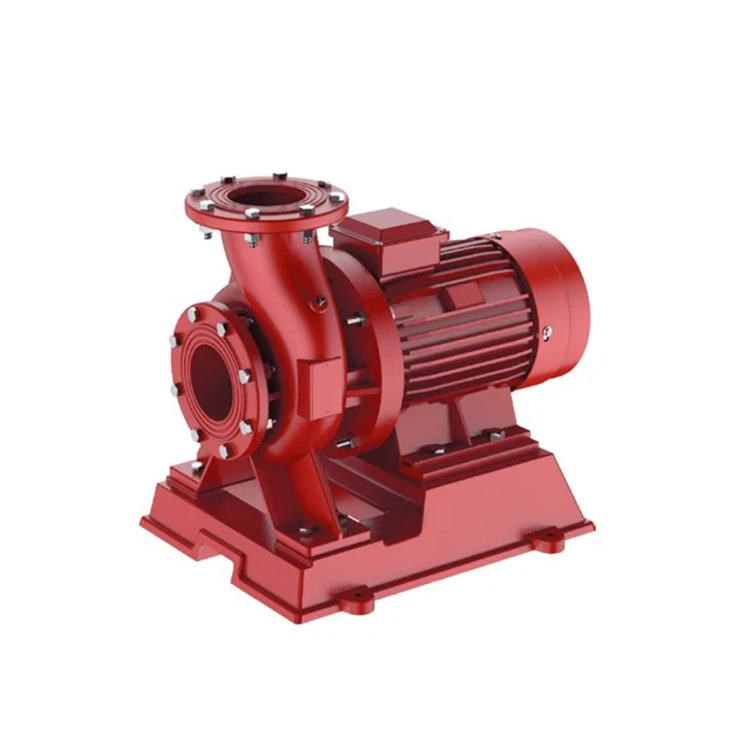
When it comes to the operation of horizontal pumps, one crucial component that often requires careful consideration is the mechanical seal. As a trusted supplier of horizontal pumps, including the ISW Horizontal Pump, Industrial Horizontal Pipeline Pump, and Horizontal Pipeline Pump, we understand the significance of using mechanical seals appropriately. In this blog post, we will explore the key factors that determine when a mechanical seal should be used in a horizontal pump.
Understanding the Role of Mechanical Seals in Horizontal Pumps
Before delving into the specific scenarios where mechanical seals are necessary, it's essential to understand their primary function. A mechanical seal is a device that is used to prevent the leakage of fluid from the pump casing. It consists of two main components: a stationary seal face and a rotating seal face. These two faces are held together under pressure, creating a tight seal that prevents the fluid from escaping.
In a horizontal pump, the mechanical seal plays a critical role in maintaining the efficiency and reliability of the pump. By preventing leakage, it helps to reduce energy consumption, minimize maintenance requirements, and extend the lifespan of the pump. Additionally, mechanical seals can also help to protect the environment by preventing the release of harmful fluids into the surroundings.
Factors to Consider When Deciding to Use a Mechanical Seal
There are several factors that should be taken into account when determining whether a mechanical seal is necessary for a horizontal pump. These factors include the type of fluid being pumped, the operating conditions of the pump, and the specific requirements of the application.
Type of Fluid
The type of fluid being pumped is one of the most important factors to consider when deciding whether to use a mechanical seal. Different fluids have different properties, such as viscosity, temperature, and chemical composition, which can affect the performance of the seal.
- Corrosive Fluids: If the fluid being pumped is corrosive, such as acids, alkalis, or salts, a mechanical seal made of a corrosion-resistant material, such as stainless steel or ceramic, is necessary. These materials can withstand the corrosive effects of the fluid and prevent the seal from deteriorating over time.
- Abrasive Fluids: Fluids that contain abrasive particles, such as sand or gravel, can cause significant wear and tear on the mechanical seal. In such cases, a seal with a hard face material, such as silicon carbide or tungsten carbide, is recommended. These materials are highly resistant to abrasion and can provide long-lasting performance.
- High-Temperature Fluids: When pumping high-temperature fluids, the mechanical seal must be able to withstand the elevated temperatures without losing its sealing properties. Specialized seals made of materials with high thermal resistance, such as graphite or PTFE, are typically used in these applications.
Operating Conditions
The operating conditions of the pump, such as pressure, temperature, and speed, can also have a significant impact on the performance of the mechanical seal.
- Pressure: High-pressure applications require a mechanical seal that can withstand the forces exerted by the fluid. Seals with a higher pressure rating, such as those designed for use in high-pressure pumps, are necessary to ensure reliable operation.
- Temperature: Extreme temperatures, whether high or low, can affect the performance of the mechanical seal. High temperatures can cause the seal materials to expand, while low temperatures can make them brittle. Seals designed for specific temperature ranges should be selected to ensure optimal performance.
- Speed: The rotational speed of the pump can also affect the performance of the mechanical seal. High-speed pumps require seals that are designed to handle the increased centrifugal forces and prevent leakage.
Application Requirements
The specific requirements of the application, such as the level of leakage tolerance, the need for continuous operation, and the environmental regulations, should also be considered when deciding whether to use a mechanical seal.
- Leakage Tolerance: Some applications may have strict leakage tolerance requirements, such as in the pharmaceutical or food processing industries. In these cases, a mechanical seal with a low leakage rate is necessary to ensure compliance with the regulations.
- Continuous Operation: Applications that require continuous operation, such as in power plants or chemical processing facilities, need a mechanical seal that can provide reliable performance over an extended period of time. Seals with a long service life and low maintenance requirements are preferred in these applications.
- Environmental Regulations: In some industries, there are strict environmental regulations regarding the release of fluids into the surroundings. Mechanical seals can help to prevent the leakage of harmful fluids and ensure compliance with these regulations.
Benefits of Using a Mechanical Seal in a Horizontal Pump
Using a mechanical seal in a horizontal pump offers several benefits, including improved efficiency, reduced maintenance, and enhanced reliability.
Improved Efficiency
By preventing leakage, a mechanical seal helps to reduce energy consumption and improve the efficiency of the pump. When fluid leaks from the pump, it requires additional energy to maintain the desired flow rate, which can result in increased operating costs. A properly installed and maintained mechanical seal can help to minimize leakage and reduce energy consumption, leading to significant cost savings over time.
Reduced Maintenance
Mechanical seals are designed to be durable and long-lasting, which can help to reduce maintenance requirements. Unlike traditional packing seals, which require regular adjustment and replacement, mechanical seals typically only need to be inspected and maintained periodically. This can save time and money on maintenance and reduce downtime for the pump.
Enhanced Reliability
A mechanical seal provides a more reliable sealing solution compared to other types of seals. By preventing leakage, it helps to protect the pump components from damage and extend the lifespan of the pump. Additionally, mechanical seals can also help to prevent the ingress of contaminants into the pump, which can further improve its reliability and performance.
Conclusion
In conclusion, the decision to use a mechanical seal in a horizontal pump depends on several factors, including the type of fluid being pumped, the operating conditions of the pump, and the specific requirements of the application. By carefully considering these factors and selecting the appropriate mechanical seal, you can ensure the efficiency, reliability, and longevity of your horizontal pump.
As a leading supplier of horizontal pumps, we offer a wide range of mechanical seals that are designed to meet the diverse needs of our customers. Our experienced team of engineers can provide expert advice and guidance on selecting the right seal for your application. If you have any questions or would like to discuss your specific requirements, please do not hesitate to contact us. We look forward to working with you to find the best solution for your horizontal pump needs.

References
- "Pump Handbook" by Igor J. Karassik, Joseph P. Messina, Paul Cooper, and Charles C. Heald.
- "Mechanical Seals and Their Applications" by Anthony R. Pennington.
- "Centrifugal Pumps: Design and Application" by Heinz P. Bloch and Fred K. Geitner.