As a reputable supplier of submersible pumps, I understand the importance of ensuring that these essential pieces of equipment operate at their optimal level. One critical aspect of maintaining a submersible pump's efficiency is adjusting its head properly. In this blog post, I will guide you through the process of adjusting the head of a submersible pump, providing you with the knowledge and steps needed to keep your pump running smoothly.
Understanding the Head of a Submersible Pump
Before delving into the adjustment process, it's crucial to understand what the head of a submersible pump means. The head refers to the height or vertical distance that a pump can lift water. It is typically measured in meters or feet. There are two main types of head: static head and total dynamic head.
The static head is the vertical distance between the water source and the point of discharge when the pump is not running. On the other hand, the total dynamic head (TDH) takes into account the friction losses in the pipes, fittings, and valves, as well as the static head, when the pump is in operation. Understanding these concepts is fundamental as they form the basis for adjusting the pump's head.
Factors Affecting the Pump Head
Several factors can influence the head of a submersible pump. These include the pump's design, the size and length of the pipes, the number and type of fittings, and the flow rate. A pump with a higher horsepower generally has a greater head capacity. Similarly, larger diameter pipes reduce friction losses, allowing the pump to achieve a higher head.
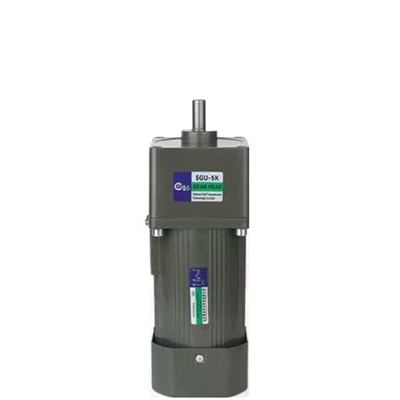
The type of motor used in the submersible pump also plays a significant role. For instance, an IE4 Electric Motor is known for its high efficiency and can provide the necessary power to lift water to greater heights. The YL Series Single Phase Motor is suitable for smaller applications and can also impact the pump's head performance. Additionally, a Gear Reduction Motor can be used to adjust the speed and torque of the pump, which in turn affects the head.
Tools Required for Adjusting the Pump Head
Before you start adjusting the head of your submersible pump, gather the necessary tools. These may include a pressure gauge, a flow meter, a pipe cutter, a pipe wrench, and sealant tape. A pressure gauge helps you measure the pressure at different points in the system, while a flow meter allows you to monitor the flow rate. The pipe cutter and pipe wrench are used for making any necessary modifications to the pipes, and the sealant tape ensures a leak - free connection.
Step - by - Step Guide to Adjusting the Pump Head
Step 1: Evaluate the Current System
The first step is to assess the existing pump system. Measure the static head by determining the vertical distance between the water source and the discharge point. Then, use a pressure gauge and a flow meter to measure the current total dynamic head and flow rate. This information will serve as a baseline for your adjustments.
Step 2: Check the Pipes and Fittings
Inspect the pipes and fittings for any signs of damage, blockages, or leaks. A damaged pipe or a blocked fitting can significantly reduce the pump's head. If you find any issues, repair or replace the affected components. Use the pipe cutter and pipe wrench to make the necessary repairs, and apply sealant tape to ensure a tight connection.
Step 3: Adjust the Pipe Diameter
If the current pipe diameter is too small, it can cause high friction losses, reducing the pump's head. Consider increasing the pipe diameter to improve the flow and reduce friction. However, keep in mind that changing the pipe diameter may require adjustments to other components of the system, such as the fittings and valves.
Step 4: Modify the Pump Speed
Some submersible pumps allow you to adjust the speed of the motor. By increasing the speed, you can increase the pump's head. However, be cautious when doing this, as running the pump at too high a speed can cause excessive wear and tear on the motor and other components. Refer to the pump's manual for the recommended speed range.
Step 5: Install a Booster Pump
If all else fails, you may consider installing a booster pump. A booster pump can increase the pressure and head of the water system. Place the booster pump in series with the existing submersible pump to enhance its performance.
Testing the Adjusted Pump
After making the necessary adjustments, it's essential to test the pump. Start the pump and use the pressure gauge and flow meter to measure the new total dynamic head and flow rate. Compare these values with the initial measurements to ensure that the adjustments have had the desired effect. If the head is still not satisfactory, you may need to revisit the adjustment steps and make further modifications.
Maintenance Tips for Optimal Pump Head
To maintain the optimal head of your submersible pump, perform regular maintenance. This includes checking the pipes and fittings for leaks, cleaning the pump intake to prevent blockages, and lubricating the motor bearings. Additionally, monitor the pump's performance regularly and keep a record of the pressure and flow rate readings.
Conclusion
Adjusting the head of a submersible pump is a crucial process that can significantly improve its efficiency and performance. By understanding the factors that affect the pump head, using the right tools, and following the step - by - step guide, you can ensure that your submersible pump operates at its best.


If you have any questions about submersible pumps or need assistance with adjusting the head, feel free to reach out. As a trusted submersible pump supplier, we have the expertise and experience to provide you with the best solutions for your pumping needs. Whether you are looking for a new pump or need advice on maintaining your existing one, we are here to help. Contact us to start a discussion about your requirements and explore the possibilities of enhancing your pumping system.
References
- Pump Handbook, Third Edition by Igor Karassik et al.
- Submersible Pump Installation and Maintenance Guide, various manufacturers' manuals.