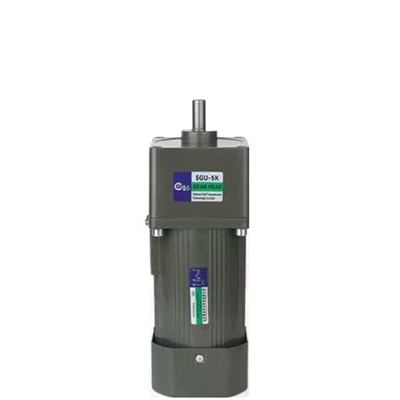
A horizontal pump is a vital piece of equipment in various industries, known for its efficiency and reliability in fluid transfer. As a leading supplier of horizontal pumps, we understand the importance of proper operating procedures to ensure the optimal performance and longevity of these pumps. In this blog post, we will delve into the step-by-step operating procedures for a horizontal pump, highlighting key considerations at each stage.
Pre - start Preparation
Before starting a horizontal pump, a series of checks and preparations are necessary to guarantee safe and efficient operation.
Inspection of the Pump
- Visual Inspection: Begin by conducting a thorough visual inspection of the pump. Check for any signs of physical damage, such as cracks in the casing, loose bolts, or worn - out gaskets. Ensure that all the components are in place and properly aligned. For example, the coupling between the pump and the motor should be centered correctly to prevent excessive vibration during operation.
- Lubrication Check: Examine the lubrication levels in the pump bearings. Most horizontal pumps require proper lubrication to reduce friction and heat generation. Refer to the manufacturer's guidelines to determine the correct type and level of lubricant. Inadequate lubrication can lead to premature bearing failure and increased energy consumption.
- Seal Inspection: Inspect the pump seals to prevent leakage. The seals play a crucial role in keeping the fluid within the pump and preventing it from escaping into the environment. Look for any signs of wear, damage, or leakage around the seal area. If necessary, replace the seals before starting the pump.
System Inspection
- Pipeline Inspection: Check the connected pipelines for any blockages, kinks, or leaks. Ensure that the valves in the pipeline are in the correct position. The suction valve should be fully open to allow the fluid to enter the pump smoothly, while the discharge valve can be partially closed during startup to reduce the initial load on the pump.
- Fluid Level and Quality: Verify the fluid level in the source tank or reservoir. There should be an adequate supply of fluid to prevent the pump from running dry, which can cause severe damage. Also, check the quality of the fluid. Contaminated or abrasive fluids can damage the pump components over time. If the fluid contains solids, consider using a strainer or filter to protect the pump.
Electrical and Control System Check
- Motor Inspection: Examine the motor for any signs of damage or overheating. Check the electrical connections to ensure they are tight and free from corrosion. Measure the insulation resistance of the motor windings to ensure proper electrical safety.
- Control Panel Check: Review the control panel settings. Set the appropriate speed, pressure, and flow rate parameters according to the requirements of the application. Test the control switches and sensors to ensure they are functioning correctly.
Startup Procedure
Once the pre - start preparations are complete, you can proceed with starting the horizontal pump.
Priming the Pump
- Filling the Pump Casing: If the pump is not self - priming, it needs to be primed before startup. This involves filling the pump casing with the fluid to be pumped. Open the priming valve and allow the fluid to enter the casing until it is completely full. This helps to remove any air pockets in the pump, which can cause cavitation and reduce the pump's efficiency.
- Removing Air from the System: After filling the pump casing, open the vent valves in the pipeline to release any trapped air. Keep the vent valves open until a continuous flow of fluid is observed, indicating that all the air has been removed from the system.
Starting the Pump
- Switching on the Motor: Once the pump is primed and the system is ready, switch on the motor. Observe the motor's startup current and speed. The current should gradually decrease as the pump reaches its operating speed. If the current remains high or fluctuates abnormally, it may indicate a problem with the pump or the motor.
- Monitoring the Initial Operation: As the pump starts running, closely monitor the pressure, flow rate, and temperature. Check for any unusual noises or vibrations. A sudden increase in vibration can be a sign of misalignment, imbalance, or a mechanical problem within the pump.
Normal Operation
During normal operation, continuous monitoring and maintenance are essential to ensure the pump's performance and reliability.
Monitoring Parameters
- Pressure and Flow Rate: Regularly check the pressure and flow rate of the pump. Compare the actual values with the set parameters. Any significant deviation may indicate a problem, such as a blockage in the pipeline, a worn - out impeller, or a malfunctioning valve.
- Temperature and Vibration: Monitor the temperature of the pump bearings and the motor. High temperatures can be a sign of excessive friction or poor lubrication. Also, keep an eye on the vibration levels. Excessive vibration can damage the pump components and reduce its lifespan.
Maintenance During Operation
- Lubrication and Seal Maintenance: Check the lubrication levels regularly during operation and top up the lubricant as needed. Inspect the seals for any signs of leakage. If a seal starts to leak, it should be replaced promptly to prevent further damage.
- Filter and Strainer Cleaning: If the system is equipped with filters or strainers, clean them regularly to prevent blockages. A clogged filter can reduce the flow rate and increase the pressure drop across the pump.
Shutdown Procedure
When it is time to stop the horizontal pump, follow the proper shutdown procedure to avoid damage to the pump and the system.
Reducing the Load
- Closing the Discharge Valve: Gradually close the discharge valve to reduce the flow rate and pressure in the pump. This helps to prevent water hammer, which is a sudden pressure surge in the pipeline that can damage the pump and the piping system.
- Reducing the Pump Speed: If the pump is equipped with a variable - speed drive, reduce the pump speed gradually before shutting it down. This helps to minimize the stress on the pump components.
Stopping the Pump
- Switching off the Motor: Once the load on the pump is reduced, switch off the motor. Allow the pump to coast to a stop naturally. Do not try to stop the pump abruptly, as this can cause damage to the motor and the pump.
- Draining the Pump (if necessary): If the pump is not going to be used for an extended period or if the fluid in the pump can freeze, drain the pump casing and the connected pipelines to prevent damage from freezing or corrosion.
Troubleshooting
Even with proper operating procedures, horizontal pumps may encounter problems from time to time. Here are some common issues and their possible solutions:
Low Flow Rate
- Cause: Possible causes include a blocked pipeline, a worn - out impeller, or a partially closed valve.
- Solution: Check the pipeline for blockages and clean or remove any obstructions. Inspect the impeller for wear and replace it if necessary. Ensure that all the valves are fully open.
High Vibration
- Cause: High vibration can be caused by misalignment, imbalance, or a mechanical problem within the pump.
- Solution: Realign the pump and the motor if they are misaligned. Balance the rotating components to reduce vibration. Check for any loose or damaged parts and tighten or replace them as needed.
Leakage
- Cause: Leakage can occur due to worn - out seals, damaged gaskets, or loose connections.
- Solution: Replace the seals or gaskets if they are worn or damaged. Tighten the loose connections to prevent leakage.
As a professional horizontal pump supplier, we offer a wide range of high - quality horizontal pumps, including Industrial Horizontal Pipeline Pump, ISW Horizontal Pump, and Horizontal Pipeline Pump. Our pumps are designed to meet the diverse needs of different industries, providing reliable and efficient fluid transfer solutions.
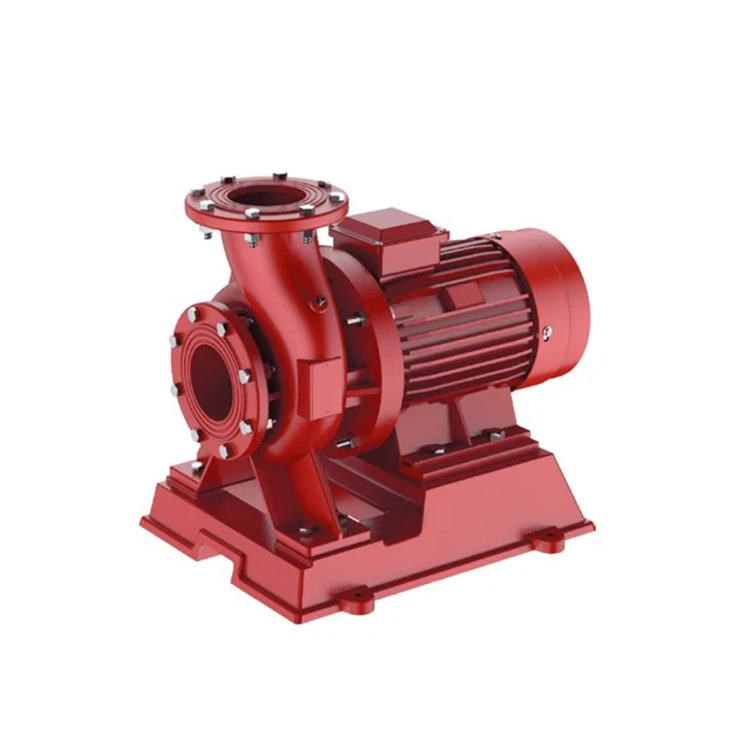
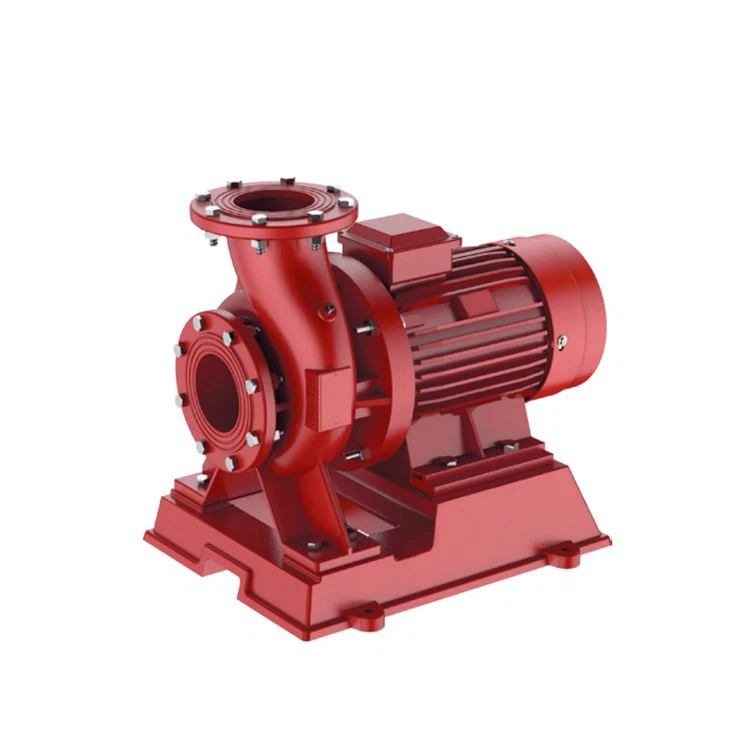
If you are looking for a horizontal pump for your application or need more information about operating procedures and maintenance, please feel free to contact us for a detailed consultation. We are committed to providing you with the best products and services to ensure the success of your projects.
References
- Pump Handbook, Third Edition, by Igor J. Karassik et al.
- Hydraulic Institute Standards for Centrifugal Pumps.