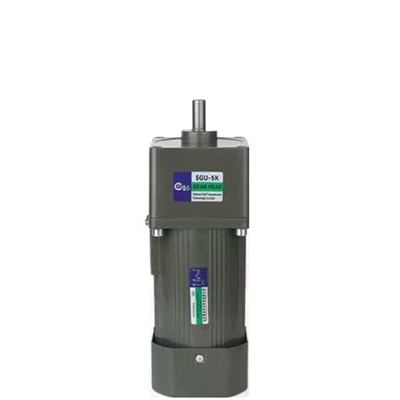
Hey there! As a supplier of horizontal pumps, I often get asked about the NPSH (Net Positive Suction Head) requirement of these pumps. So, I thought I'd take a few minutes to break it down for you in a way that's easy to understand.
First things first, what exactly is NPSH? Well, in simple terms, NPSH is the amount of pressure available at the suction inlet of a pump to prevent the liquid from vaporizing. When the pressure at the suction inlet drops below the vapor pressure of the liquid, vapor bubbles start to form. This process is called cavitation, and it can cause a whole bunch of problems for your pump, like reduced efficiency, increased noise and vibration, and even damage to the impeller and other internal components.
So, why is NPSH so important for horizontal pumps? Horizontal pumps are commonly used in a wide range of applications, from water supply and drainage to industrial processes. In these applications, the pump needs to be able to draw in liquid from a source, such as a tank or a well, and then transfer it to another location. If the NPSH available at the suction inlet is not sufficient, cavitation can occur, which can lead to poor pump performance and premature failure.
Now, let's talk about how to calculate the NPSH requirement of a horizontal pump. There are two types of NPSH that you need to consider: NPSHa (Net Positive Suction Head Available) and NPSHr (Net Positive Suction Head Required).
NPSHa is the actual amount of pressure available at the suction inlet of the pump. It takes into account factors such as the elevation of the liquid source, the pressure in the liquid source, the friction losses in the suction piping, and the vapor pressure of the liquid. To calculate NPSHa, you can use the following formula:
NPSHa = Pa / ρg + Ha - hf - Pv / ρg
Where:
- Pa is the atmospheric pressure (in Pa)
- ρ is the density of the liquid (in kg/m³)
- g is the acceleration due to gravity (in m/s²)
- Ha is the elevation of the liquid source above the pump centerline (in m)
- hf is the friction loss in the suction piping (in m)
- Pv is the vapor pressure of the liquid (in Pa)
On the other hand, NPSHr is the minimum amount of pressure required at the suction inlet of the pump to prevent cavitation. It is determined by the pump manufacturer through testing and is typically specified in the pump's performance curve. The NPSHr value depends on factors such as the pump design, the flow rate, and the speed of the pump.
To ensure that your horizontal pump operates properly, you need to make sure that the NPSHa is greater than the NPSHr. A general rule of thumb is to have a safety margin of at least 0.5 to 1 meter between the NPSHa and the NPSHr. This safety margin helps to account for any variations in the operating conditions and ensures that the pump operates without cavitation.
Now, let's take a look at some factors that can affect the NPSH requirement of a horizontal pump.
1. Liquid properties
The properties of the liquid being pumped, such as its density, viscosity, and vapor pressure, can have a significant impact on the NPSH requirement. For example, liquids with a high vapor pressure, such as gasoline or alcohol, require a higher NPSH to prevent cavitation. Similarly, liquids with a high viscosity, such as oil or syrup, can cause higher friction losses in the suction piping, which can reduce the NPSHa.
2. Pump design
The design of the pump, including the impeller type, the number of stages, and the pump speed, can also affect the NPSH requirement. Pumps with a high flow rate or a high head typically require a higher NPSH. Additionally, pumps with a single-stage impeller may have a lower NPSH requirement compared to pumps with a multi-stage impeller.
3. Suction piping
The size, length, and configuration of the suction piping can have a significant impact on the NPSH available at the pump inlet. Longer suction pipes, smaller pipe diameters, and pipes with a lot of bends and fittings can cause higher friction losses, which can reduce the NPSHa. To minimize friction losses, it is recommended to use a larger pipe diameter, keep the suction piping as short as possible, and avoid using unnecessary bends and fittings.
4. Operating conditions
The operating conditions, such as the flow rate and the temperature of the liquid, can also affect the NPSH requirement. As the flow rate increases, the NPSHr of the pump typically increases as well. Similarly, as the temperature of the liquid increases, the vapor pressure of the liquid increases, which can reduce the NPSHa.
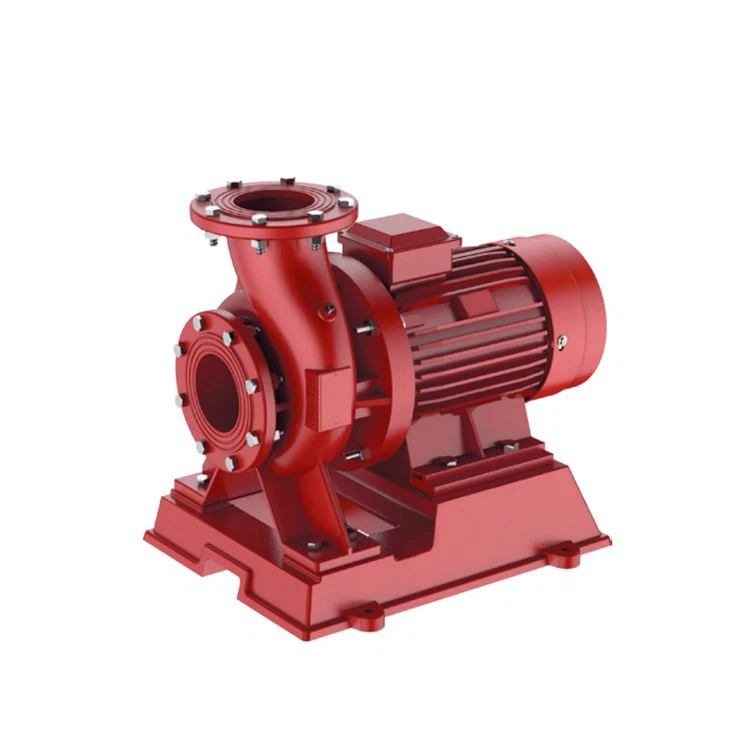
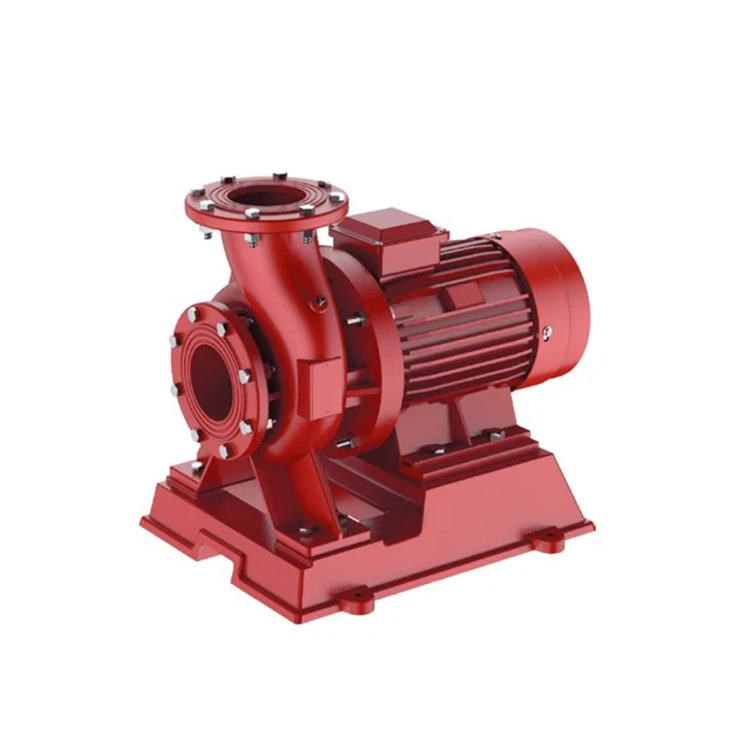
As a horizontal pump supplier, we offer a wide range of pumps that are designed to meet different NPSH requirements. For example, our ISW Horizontal Pump is a popular choice for water supply and drainage applications. It has a low NPSH requirement, which makes it suitable for use in applications where the available NPSH is limited.
Our Horizontal Pipeline Pump is another option that is designed for high-pressure applications. It has a high efficiency and a low NPSH requirement, which makes it ideal for use in industrial processes.
If you need a pump for a more demanding application, our Industrial Horizontal Pipeline Pump is a great choice. It is designed to handle high flow rates and high pressures, and it has a low NPSH requirement to ensure reliable operation.
In conclusion, understanding the NPSH requirement of a horizontal pump is crucial for ensuring its proper operation and longevity. By calculating the NPSHa and the NPSHr, and taking into account factors such as liquid properties, pump design, suction piping, and operating conditions, you can select the right pump for your application and avoid problems such as cavitation.
If you have any questions about the NPSH requirement of our horizontal pumps or need help selecting the right pump for your application, please don't hesitate to contact us. We're here to help you find the best solution for your pumping needs.
References
- Pump Handbook, 4th Edition, by Igor Karassik et al.
- Hydraulic Institute Standards, 11th Edition.