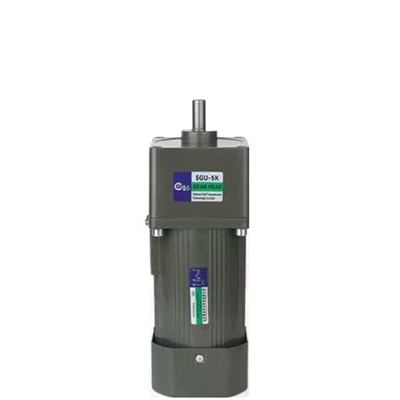
Hey there! As a supplier of IE4 Electric Motors, I often get asked how these motors operate in corrosive environments. It's a crucial question, especially for industries where corrosion can significantly impact equipment performance and lifespan. So, let's dive right into it.
First off, what exactly is an IE4 Electric Motor? Well, IE4 stands for International Efficiency Class 4, which represents the highest level of energy efficiency for electric motors. These motors are designed to consume less energy while delivering high performance, making them an ideal choice for various industrial applications. But when it comes to corrosive environments, things get a bit more complicated.
Corrosive environments can be found in many industries, such as chemical processing, food and beverage, marine, and wastewater treatment. In these environments, motors are exposed to various corrosive agents, including acids, alkalis, salts, and moisture. Over time, these agents can cause damage to the motor's components, leading to reduced performance, increased maintenance costs, and even premature failure.
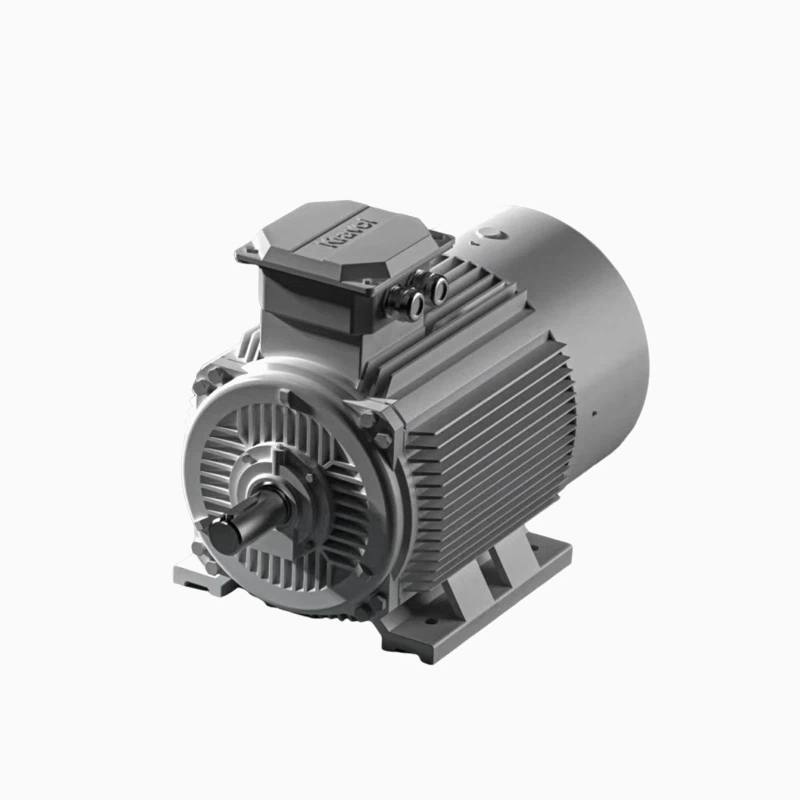
So, how does an IE4 Electric Motor fare in such harsh conditions? The key lies in its design and construction. IE4 motors are typically built with high-quality materials and advanced manufacturing techniques to withstand the effects of corrosion. For example, the motor's housing is often made of stainless steel or other corrosion-resistant materials. Stainless steel is known for its excellent resistance to rust and corrosion, making it an ideal choice for protecting the motor's internal components from the elements.
In addition to the housing, the motor's internal components are also treated to enhance their corrosion resistance. This may include coating the windings with a special epoxy resin that provides a protective barrier against moisture and chemicals. The bearings are also designed to be corrosion-resistant, ensuring smooth operation even in the presence of corrosive agents.
Another important factor in the motor's ability to operate in corrosive environments is its sealing. IE4 motors are equipped with high-quality seals that prevent the ingress of moisture and corrosive substances into the motor's interior. These seals are designed to be durable and long-lasting, providing reliable protection against corrosion over an extended period.
But it's not just about the materials and seals. The design of the motor also plays a crucial role in its performance in corrosive environments. For example, the motor's ventilation system is designed to prevent the accumulation of moisture and corrosive gases inside the motor. This helps to maintain a dry and clean environment, reducing the risk of corrosion and extending the motor's lifespan.
Now, let's compare the IE4 Electric Motor with some other types of motors in terms of their performance in corrosive environments. The IE2 Electric Motor is a lower efficiency class motor that is also commonly used in industrial applications. While IE2 motors can operate in some corrosive environments, they may not offer the same level of corrosion resistance as IE4 motors. This is because IE2 motors are typically built with less expensive materials and may not have the same advanced sealing and protection features as IE4 motors.
The Y2 Three Phase Motor is another type of motor that is widely used in industrial applications. Similar to IE2 motors, Y2 motors may not be as suitable for highly corrosive environments as IE4 motors. They may require additional protection measures, such as coatings or enclosures, to ensure reliable operation in corrosive conditions.
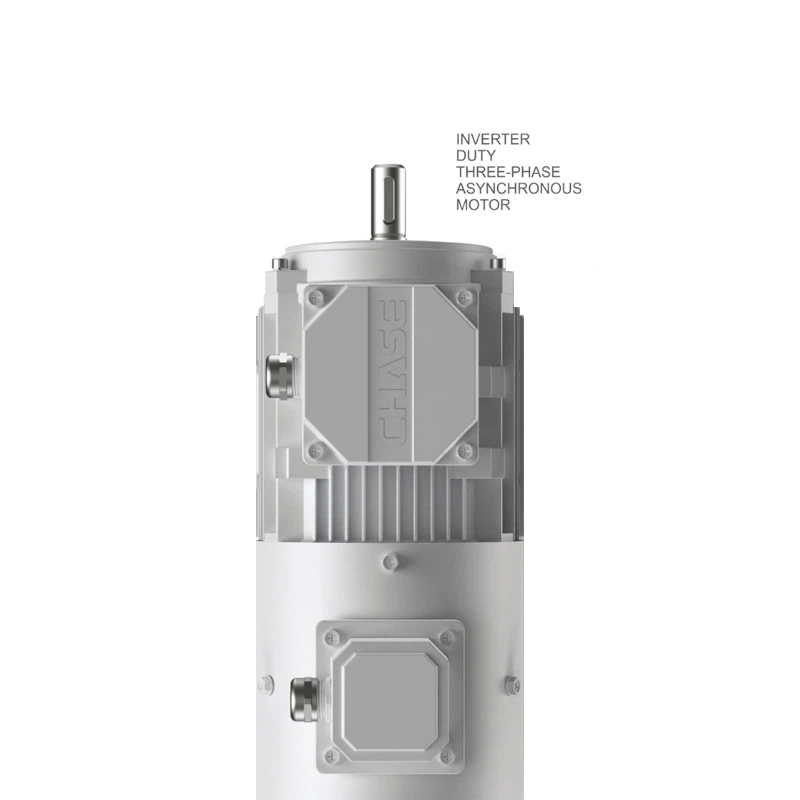
The Inverter Duty Motor is designed to operate with variable frequency drives, which can provide greater control over the motor's speed and torque. While inverter duty motors can be used in a variety of environments, including corrosive ones, they also need to be properly protected to prevent damage from corrosion. Again, IE4 motors offer a higher level of corrosion resistance compared to many inverter duty motors, making them a better choice for applications in harsh environments.
So, if you're operating in a corrosive environment, choosing an IE4 Electric Motor can offer several benefits. Not only do these motors provide high energy efficiency, but they also offer superior corrosion resistance, which can help to reduce maintenance costs and downtime. Additionally, the long lifespan of IE4 motors means that you'll get more value for your investment in the long run.
If you're interested in learning more about how our IE4 Electric Motors can meet your specific needs in corrosive environments, don't hesitate to reach out. We're here to answer any questions you may have and to help you find the right motor for your application. Whether you're in the chemical industry, food and beverage, or any other sector that requires motors to operate in harsh conditions, we've got you covered.
In conclusion, IE4 Electric Motors are a great choice for operating in corrosive environments. Their high-quality construction, advanced sealing, and corrosion-resistant materials ensure reliable performance and long lifespan, even in the most challenging conditions. So, if you're looking for a motor that can handle the heat - or in this case, the corrosion - contact us today to start the procurement process. Let's work together to find the perfect solution for your industrial needs.
References:
- Industry standards for electric motor efficiency and construction
- Technical literature on corrosion protection in electric motors
- Case studies of electric motor performance in corrosive environments