Can the speed of a horizontal pump be adjusted? That's a question I get asked a lot as a horizontal pump supplier. And the answer is a resounding yes! In this blog post, I'll dive into the details of speed adjustment for horizontal pumps, why it's useful, and how it works.
Let's start by understanding what a horizontal pump is. Horizontal pumps are widely used in various industries for transferring liquids. They come in different types, such as the ISW Horizontal Pump, Horizontal Pipeline Pump, and Industrial Horizontal Pipeline Pump. These pumps are designed with the shaft in a horizontal position, which makes them suitable for many applications where space is available and easy maintenance is required.
Now, why would you want to adjust the speed of a horizontal pump? Well, there are several reasons. One of the main reasons is energy efficiency. In many industrial processes, the demand for fluid flow can vary. For example, in a water supply system, the water demand may be high during the day when people are using water for various activities, but it drops significantly at night. If a pump is running at a constant speed all the time, it will consume more energy than necessary during periods of low demand. By adjusting the pump speed, you can match the flow rate to the actual demand, which can lead to substantial energy savings.
Another reason is process control. In some manufacturing processes, precise control of the fluid flow rate is crucial. For instance, in a chemical mixing process, the correct amount of each chemical needs to be added at the right time. By adjusting the speed of the pumps used to transfer these chemicals, you can ensure that the process runs smoothly and the final product meets the required quality standards.
So, how can you adjust the speed of a horizontal pump? There are a few methods available. One common method is using a variable frequency drive (VFD). A VFD is an electronic device that controls the speed of an electric motor by varying the frequency and voltage of the power supplied to the motor. When a VFD is installed on a horizontal pump motor, it can adjust the pump speed according to the input signal it receives. This signal can be based on various factors, such as the pressure in the pipeline, the level of a tank, or a pre - set flow rate.
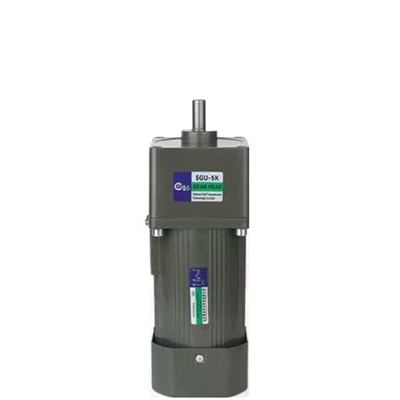
Another method is using a mechanical speed control device. This can include things like belts and pulleys or gearboxes. By changing the size of the pulleys or the gear ratio, you can change the speed of the pump shaft. However, this method is less flexible compared to using a VFD. It usually requires manual adjustment and may not be as precise in controlling the speed.
Let's talk about the benefits of using a VFD for speed adjustment. First of all, as I mentioned earlier, it can save a lot of energy. Studies have shown that in some applications, using a VFD to adjust the pump speed can reduce energy consumption by up to 50%. This not only saves money on electricity bills but also has a positive impact on the environment.
Secondly, a VFD provides smooth and precise speed control. It can start and stop the pump gradually, which reduces mechanical stress on the pump components. This can extend the lifespan of the pump and reduce the frequency of maintenance and repairs.
However, there are also some considerations when using a VFD. One of the main considerations is the initial cost. A VFD can be quite expensive to purchase and install. But when you consider the long - term energy savings and the benefits of better process control, the investment can often pay for itself in a relatively short period.
Another consideration is the compatibility of the VFD with the pump motor. Not all motors are suitable for use with a VFD. You need to make sure that the motor is designed to work with a VFD or has the necessary modifications.
When it comes to choosing the right method for speed adjustment, it depends on your specific application. If you need a high - level of flexibility and precise control, and the energy savings are significant, a VFD is probably the best option. But if your application has relatively stable flow requirements and you're on a tight budget, a mechanical speed control device might be sufficient.
As a horizontal pump supplier, I've seen firsthand the benefits that speed adjustment can bring to our customers. Many of our clients have reported significant cost savings and improved process performance after implementing speed adjustment solutions. Whether you're running a small - scale water treatment plant or a large - scale industrial facility, adjusting the speed of your horizontal pumps can make a big difference.

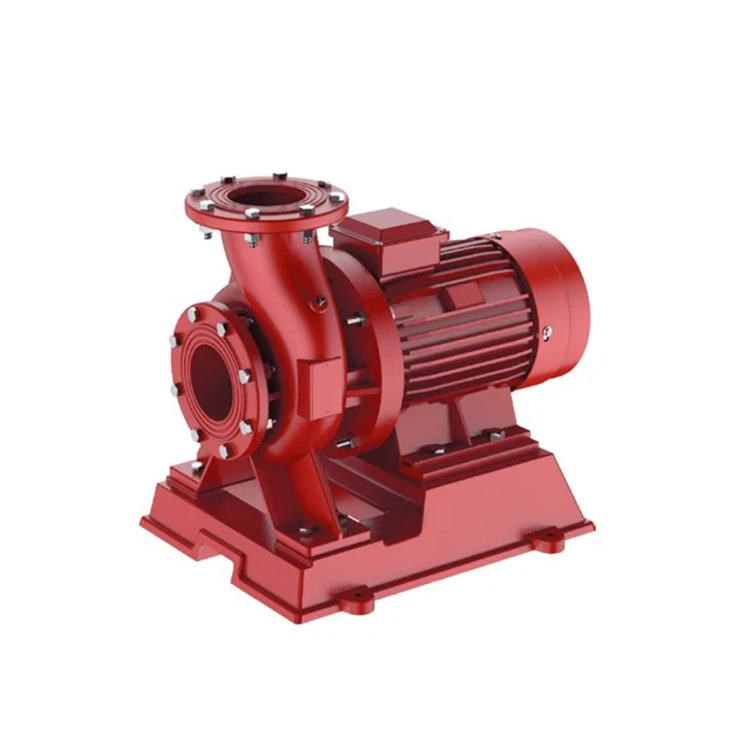
If you're interested in learning more about speed adjustment for horizontal pumps or if you're looking to purchase a horizontal pump with speed adjustment capabilities, I'd love to hear from you. We have a wide range of horizontal pumps, including the ISW Horizontal Pump, Horizontal Pipeline Pump, and Industrial Horizontal Pipeline Pump, and we can help you find the right solution for your needs. Just reach out to us, and we'll be happy to assist you in your procurement process and answer any questions you may have.
References
- "Pump Handbook" by Igor J. Karassik et al.
- "Energy - Efficient Pumping Systems" by the U.S. Department of Energy.