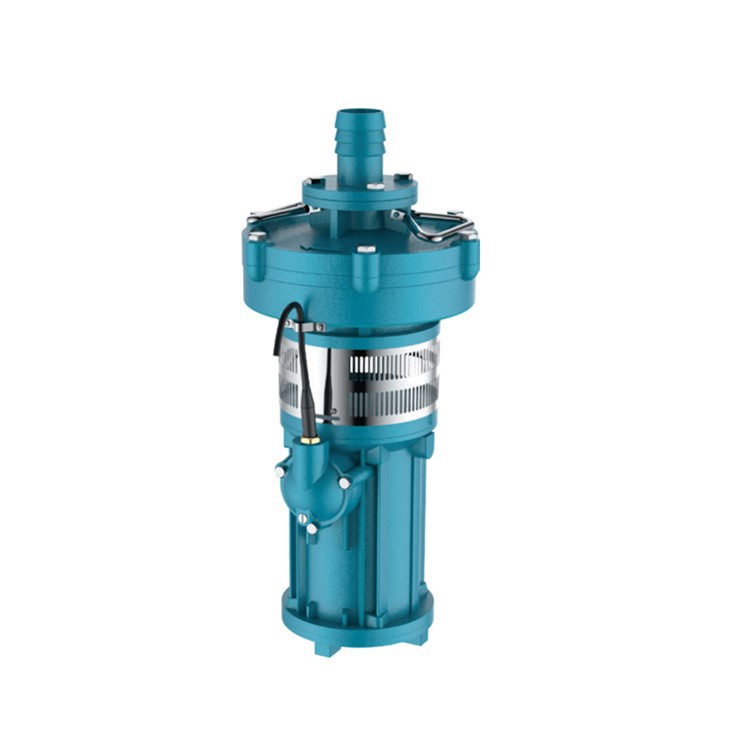
As a supplier of QY Submersible Pumps, I often receive inquiries from customers about the suitability of our pumps in various environments. One question that comes up frequently is whether the QY Submersible Pump can be used in cold environments. In this blog post, I'll delve into this topic, exploring the factors that affect the pump's performance in cold conditions and providing some practical advice.
Understanding the QY Submersible Pump
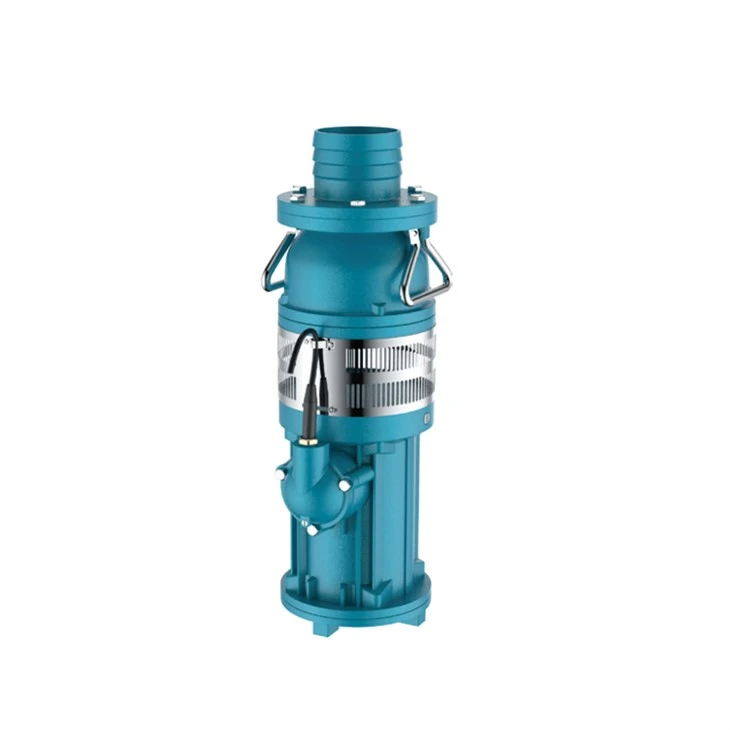
Before we discuss its use in cold environments, let's briefly introduce the QY Submersible Pump. The QY Submersible Pump is a popular choice for a wide range of applications, including water supply, drainage, and irrigation. It is designed to be submerged in water, which allows it to operate efficiently and quietly. The pump is typically made of high - quality materials such as stainless steel and cast iron, ensuring durability and resistance to corrosion.
Challenges in Cold Environments
Cold environments present several challenges for submersible pumps, and the QY Submersible Pump is no exception. The most significant issue is the risk of freezing. When the water temperature drops below the freezing point (0°C or 32°F), the water inside the pump and its associated pipes can freeze. This can cause a variety of problems:
1. Physical Damage
As water freezes, it expands. This expansion can exert a tremendous amount of pressure on the pump's internal components, such as the impeller, casing, and pipes. If the pressure is too high, it can lead to cracks, breaks, or deformation of these parts, rendering the pump inoperable.
2. Reduced Performance
Even if the water doesn't freeze completely, the cold temperature can increase the viscosity of the water. Higher - viscosity water is more resistant to flow, which means the pump has to work harder to move the water. This can result in a decrease in the pump's flow rate and head, reducing its overall performance.
3. Electrical Issues
Cold temperatures can also affect the pump's electrical components. For example, the insulation of the motor windings may become more brittle in the cold, increasing the risk of electrical shorts. Additionally, the battery (if the pump is battery - powered) may have reduced capacity and performance in cold conditions.
Can the QY Submersible Pump be Used in Cold Environments?
The short answer is yes, but with certain precautions. The QY Submersible Pump can be used in cold environments as long as appropriate measures are taken to protect it from the cold.
1. Winterization
Winterization is crucial for using the QY Submersible Pump in cold environments. This involves draining all the water from the pump and its associated pipes before the temperature drops below freezing. By removing the water, you eliminate the risk of freezing and the resulting damage. Some pumps may have a drain plug or valve that makes this process easier.
2. Insulation
Insulating the pump and its pipes can help to maintain a higher temperature and prevent freezing. You can use insulation materials such as foam sleeves or heat - tracing cables. Foam sleeves are easy to install and can provide a good level of insulation. Heat - tracing cables, on the other hand, can actively heat the pipes to prevent freezing.
3. Monitoring
Regularly monitoring the water temperature and the pump's performance is essential. You can use a thermometer to measure the water temperature and keep an eye on the pump's flow rate and pressure. If you notice any signs of reduced performance or potential freezing, take immediate action.
Comparing with Other Submersible Pumps
It's also worth comparing the QY Submersible Pump with other types of submersible pumps in terms of their suitability for cold environments. The QD Submersible Pump and QDX Submersible Pump are two other popular models.
The QD Submersible Pump is known for its high efficiency and reliability. It has a similar design to the QY Submersible Pump and can also be used in cold environments with proper winterization. The QDX Submersible Pump, on the other hand, is a more lightweight and portable option. While it can also operate in cold conditions, its smaller size may make it more vulnerable to freezing if not properly protected.
Practical Tips for Using the QY Submersible Pump in Cold Environments
Here are some practical tips to help you use the QY Submersible Pump safely and effectively in cold environments:
1. Plan Ahead
Before the cold season arrives, make sure you have all the necessary equipment for winterization, such as insulation materials and drain hoses.
2. Regular Maintenance
Perform regular maintenance on the pump, including checking for leaks, inspecting the electrical connections, and lubricating the moving parts. This can help to ensure its proper operation in cold conditions.
3. Use a Temperature - Controlled Environment
If possible, install the pump in a temperature - controlled environment, such as a heated shed or basement. This can provide an extra layer of protection against the cold.
Conclusion
In conclusion, the QY Submersible Pump can be used in cold environments, but it requires careful consideration and appropriate precautions. By winterizing the pump, insulating it, and monitoring its performance, you can minimize the risks associated with cold temperatures and ensure its reliable operation.
If you're interested in purchasing a QY Submersible Pump or have any questions about its use in cold environments, please don't hesitate to contact us. We're here to provide you with the best solutions for your pumping needs.
References
- Pump Handbook, Third Edition, by Igor J. Karassik et al.
- ASME Standards for Pumps and Pumping Systems
- Manufacturer's Manual for QY Submersible Pump