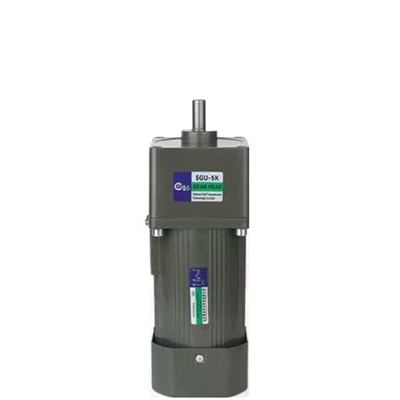
Can a vortex blower be used for cooling equipment? That's a question I get asked a lot as a vortex blower supplier. And the answer is a resounding yes! In this blog post, I'll dive into how vortex blowers can be effectively used for cooling equipment, their benefits, and some real - world applications.
First off, let's understand what a vortex blower is. A vortex blower, also known as a side - channel blower, works on a pretty cool principle. It uses an impeller with multiple blades that rotate at high speeds inside a housing. As the impeller spins, it creates a vortex of air. This air is then accelerated and forced out of the blower, generating a continuous flow of high - pressure air.
Now, how does this translate into cooling equipment? Well, cooling is all about removing heat from a system. When you have equipment that generates a lot of heat, like industrial machinery, servers, or even some high - end electronics, you need a reliable way to dissipate that heat. That's where vortex blowers come in.
One of the main benefits of using a vortex blower for cooling is its high - pressure air delivery. The high - pressure air can be directed precisely where it's needed. For example, in a server rack, the blower can be set up to blow air directly over the hot components like CPUs and hard drives. This targeted airflow helps in quickly removing the heat, preventing overheating and potential damage to the equipment.


Another great thing about vortex blowers is their compact size. Unlike some traditional cooling systems that can take up a lot of space, vortex blowers are relatively small. This makes them ideal for applications where space is at a premium. You can easily integrate a vortex blower into a tight - fitting enclosure without having to worry about major modifications.
Let's talk about the types of vortex blowers that are particularly useful for cooling. The Single Phase Vortex Blower is a popular choice. It's easy to install and operate, and it can provide a steady stream of air for cooling purposes. These blowers are often used in smaller - scale applications, such as cooling small electronic devices or individual components in a machine.
On the other hand, if you have a larger - scale cooling requirement, the High Pressure Vortex Blower might be the way to go. These blowers can generate a much higher pressure and airflow rate, making them suitable for cooling large industrial equipment or multiple servers in a data center.
In real - world applications, vortex blowers have proven their worth time and time again. In the manufacturing industry, they're used to cool down cutting tools and molds. The high - pressure air helps in reducing the temperature of these tools during the machining process, which not only extends their lifespan but also improves the quality of the finished product.
In the data center industry, as I mentioned earlier, vortex blowers play a crucial role in keeping servers cool. With the ever - increasing demand for data storage and processing, servers can get extremely hot. Vortex blowers ensure that the servers operate within a safe temperature range, minimizing the risk of system failures and data loss.
When it comes to energy efficiency, vortex blowers also have an edge. They are designed to consume less power while still providing an effective cooling solution. This is important for businesses as it helps in reducing operational costs. Over time, the savings on energy bills can be quite significant.
However, like any technology, there are a few things to keep in mind when using vortex blowers for cooling. You need to make sure that the blower is properly sized for the cooling task. If it's too small, it won't be able to provide enough airflow to cool the equipment effectively. On the other hand, if it's too large, it might consume more energy than necessary.
Also, proper maintenance is key. Regularly cleaning the blower and checking for any signs of wear and tear will ensure that it continues to perform optimally. You should also make sure that the intake and exhaust areas are free from any blockages, as this can affect the airflow and cooling efficiency.
In conclusion, a vortex blower is an excellent option for cooling equipment. Whether you're dealing with small - scale electronics or large - scale industrial machinery, these blowers can provide a reliable, efficient, and cost - effective cooling solution. If you're in the market for a cooling solution for your equipment, I'd highly recommend considering a vortex blower.
If you're interested in learning more about our vortex blowers or want to discuss your specific cooling requirements, feel free to reach out. We're here to help you find the perfect blower for your needs and can assist you with the entire procurement process.
References
- Smith, J. (2020). Industrial Cooling Technologies. Publisher X.
- Johnson, A. (2021). The Role of Airflow in Equipment Cooling. Journal of Cooling Solutions.