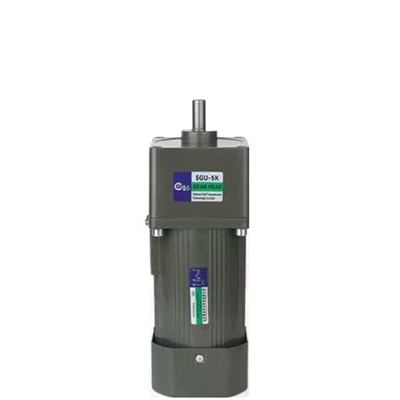
In the dynamic world of plastic manufacturing, the choice of electric motors plays a pivotal role in determining operational efficiency, productivity, and overall cost - effectiveness. As a trusted supplier of IE2 Electric Motors, I am often asked whether these motors can be effectively used in plastic manufacturing applications. In this blog, I will delve into the characteristics of IE2 Electric Motors and explore their suitability for plastic manufacturing.
Understanding IE2 Electric Motors
Before we discuss their application in plastic manufacturing, let's first understand what IE2 Electric Motors are. IE2 motors fall under the International Efficiency (IE) classification system, which is a global standard for the energy efficiency of electric motors. The IE2 class represents a high - efficiency level compared to older, less efficient motor designs.
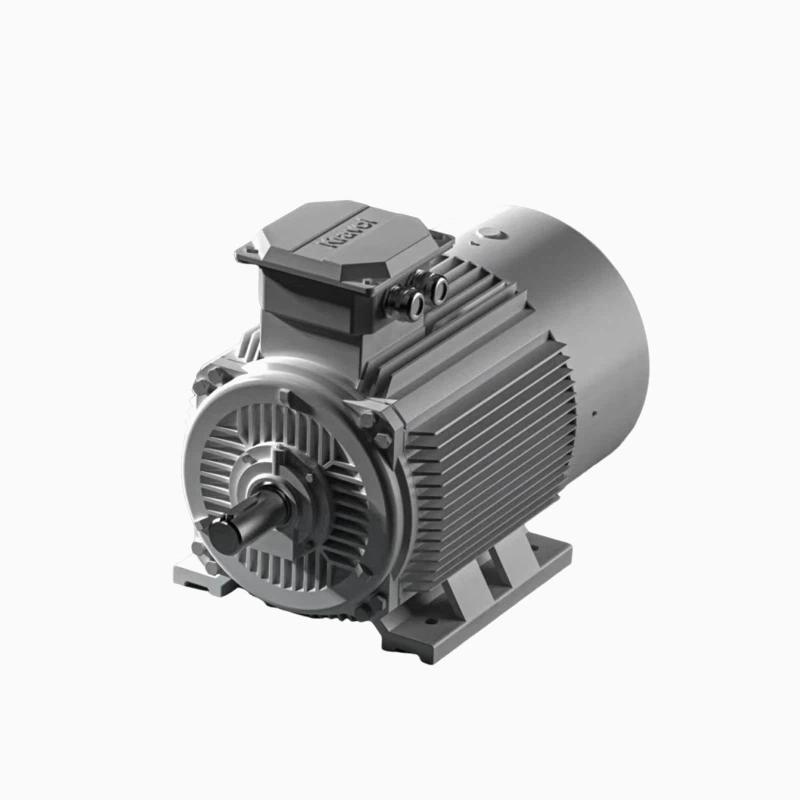
IE2 Electric Motors are designed to minimize energy losses during operation. They achieve this through advanced design features such as high - quality magnetic materials, optimized winding configurations, and improved cooling systems. These motors convert a greater proportion of electrical energy into mechanical energy, resulting in lower energy consumption and reduced operating costs over the long term. You can learn more about IE2 Electric Motor on our website.
Key Requirements in Plastic Manufacturing
Plastic manufacturing encompasses a wide range of processes, including injection molding, extrusion, blow molding, and thermoforming. Each of these processes has specific requirements for the equipment used, and electric motors are no exception.
- Power and Torque: Plastic manufacturing machines often require high levels of power and torque to perform tasks such as melting plastic, injecting it into molds, or extruding it through dies. Motors need to be able to deliver the necessary force consistently to ensure smooth and efficient operation.
- Speed Control: Precise speed control is crucial in plastic manufacturing. Different processes may require different operating speeds, and the ability to adjust the motor speed accurately can improve product quality and reduce waste.
- Reliability and Durability: Plastic manufacturing is a continuous - process industry, and any downtime can result in significant losses. Motors need to be reliable and durable, capable of withstanding the harsh operating conditions, including high temperatures, vibrations, and exposure to plastic resins and additives.
- Energy Efficiency: With the increasing focus on sustainability and cost - reduction, energy efficiency has become a top priority in plastic manufacturing. Energy - efficient motors can help manufacturers reduce their electricity bills and lower their carbon footprint.
Suitability of IE2 Electric Motors in Plastic Manufacturing
-
Power and Torque Delivery
IE2 Electric Motors are available in a wide range of power ratings, making them suitable for various plastic manufacturing applications. Whether it's a small injection molding machine or a large - scale extrusion line, there is an IE2 motor that can provide the necessary power and torque. These motors are designed to deliver high starting torque, which is essential for getting plastic manufacturing processes up and running smoothly. -
Speed Control
Many IE2 Electric Motors can be paired with variable frequency drives (VFDs) to achieve precise speed control. VFDs allow operators to adjust the motor speed according to the specific requirements of the plastic manufacturing process. This flexibility in speed control can improve the quality of the plastic products by ensuring consistent processing conditions. -
Reliability and Durability
IE2 motors are built to last. They are constructed with high - quality materials and undergo rigorous testing to ensure their reliability and durability. In plastic manufacturing environments, where motors are exposed to heat, moisture, and contaminants, the robust design of IE2 motors helps to prevent premature failures and reduces maintenance requirements. -
Energy Efficiency
One of the main advantages of IE2 Electric Motors in plastic manufacturing is their energy efficiency. By consuming less electricity compared to standard motors, they can significantly reduce energy costs over the motor's lifespan. This not only benefits the bottom line of plastic manufacturers but also contributes to a more sustainable manufacturing process.
Comparison with Other Motor Classes in Plastic Manufacturing
While IE2 Electric Motors offer many benefits in plastic manufacturing, it's also important to consider how they compare with other motor classes, such as IE3 Electric Motor and IE4 Electric Motor.
- IE3 Electric Motors: IE3 motors have a higher energy efficiency level than IE2 motors. They are a good option for plastic manufacturers who are willing to invest more upfront in exchange for long - term energy savings. However, the initial cost of IE3 motors is generally higher than that of IE2 motors.
- IE4 Electric Motors: IE4 motors represent the highest level of energy efficiency in the IE classification system. They offer even greater energy savings than IE3 motors but come with a significantly higher price tag. For some plastic manufacturing applications, the additional cost of IE4 motors may not be justified, especially if the energy savings do not outweigh the initial investment.
In many cases, IE2 Electric Motors strike a good balance between cost and energy efficiency for plastic manufacturing. They provide a reliable and cost - effective solution for most plastic manufacturing processes, especially for small and medium - sized enterprises.
Real - World Applications of IE2 Electric Motors in Plastic Manufacturing
Let's take a look at some real - world examples of how IE2 Electric Motors are used in plastic manufacturing:
- Injection Molding: In injection molding machines, IE2 motors are used to power the screw that melts and injects the plastic into the mold. The high torque and precise speed control of these motors ensure accurate filling of the mold and consistent product quality.
- Extrusion: In extrusion processes, IE2 motors drive the extruder screw, which pushes the molten plastic through a die to form various shapes. The energy efficiency of these motors helps to reduce the overall operating costs of the extrusion line.
- Blow Molding: Blow molding machines use IE2 motors to operate the blow pins and other moving parts. The reliability and durability of these motors are essential for continuous production in blow molding operations.
Conclusion
In conclusion, IE2 Electric Motors can be effectively used in plastic manufacturing applications. They offer a combination of power, torque, speed control, reliability, and energy efficiency that meets the key requirements of the plastic manufacturing industry. While there are higher - efficiency motor classes available, IE2 motors provide a cost - effective solution for many plastic manufacturers, especially those looking to balance initial investment and long - term energy savings.
If you are a plastic manufacturer and are considering upgrading or replacing your electric motors, I encourage you to explore the benefits of IE2 Electric Motors. Our team of experts is ready to assist you in selecting the right motor for your specific application. Contact us to start a procurement discussion and find out how our IE2 Electric Motors can improve the efficiency and profitability of your plastic manufacturing operations.
References
- International Electrotechnical Commission (IEC). International Standard IEC 60034 - 30 - 1:2014, Rotating electrical machines - Part 30 - 1: Efficiency classes of single - speed, three - phase, cage induction motors (IE code).
- Plastic Manufacturers Association. Best Practices in Plastic Manufacturing Equipment Selection.
- Electric Motor Manufacturers Council. Guide to Energy - Efficient Electric Motors in Industrial Applications.