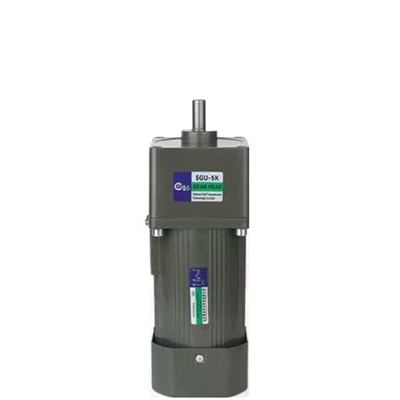
As a supplier of IE2 Electric Motors, I've often been asked whether these motors can be effectively used in glass manufacturing applications. This blog post aims to explore this question in depth, providing insights based on scientific knowledge and industry experience.
Understanding IE2 Electric Motors
IE2 Electric Motors are known for their high efficiency and reliability. They are designed to meet the International Efficiency Class 2 standards, which means they consume less energy compared to lower - efficiency motors. This efficiency is achieved through advanced design and high - quality materials. For instance, the stator windings are made of high - conductivity copper, and the magnetic cores are constructed with low - loss electrical steel. These features not only reduce energy consumption but also minimize heat generation, leading to a longer motor lifespan.
Glass Manufacturing Requirements
Glass manufacturing is a complex process that involves several stages, each with its own specific requirements for motor operation.
Melting Stage
In the melting stage, large furnaces are used to heat raw materials such as sand, soda ash, and limestone to extremely high temperatures (around 1500 - 1700°C). Motors are required to drive the equipment that transports the raw materials into the furnace, such as conveyors and hoppers. These motors need to have sufficient torque to handle the heavy loads of the raw materials and be able to operate continuously for long periods without overheating.
Forming Stage
During the forming stage, the molten glass is shaped into various products such as bottles, sheets, or containers. This may involve the use of machinery like blowers, rollers, and presses. The motors driving these machines need to provide precise speed control to ensure the accurate shaping of the glass. For example, in the production of glass sheets, the rollers need to rotate at a constant speed to maintain the uniform thickness of the sheet.
Annealing Stage
Annealing is a heat - treatment process that relieves internal stresses in the glass. Motors are used to move the glass through the annealing lehr at a controlled speed. The motors must be able to maintain a stable speed to ensure proper annealing, which is crucial for the strength and durability of the final glass product.
Can IE2 Electric Motors Meet the Requirements?
Torque and Load Capacity
IE2 Electric Motors are designed to provide high starting torque and continuous - duty performance. In the glass manufacturing process, especially in the raw material handling stage, the heavy loads require motors with sufficient torque. IE2 motors can easily meet these requirements. Their robust design and high - quality components allow them to handle the heavy loads of conveyors and hoppers without stalling or overloading.
Speed Control
For the forming and annealing stages, precise speed control is essential. While IE2 motors are not inherently variable - speed motors, they can be used in conjunction with variable - frequency drives (VFDs). A VFD can adjust the speed of the motor by changing the frequency of the power supply. This combination allows for accurate speed control, enabling the motors to meet the requirements of glass - shaping and annealing equipment.
Energy Efficiency
One of the major advantages of IE2 Electric Motors in glass manufacturing is their energy efficiency. Glass manufacturing is an energy - intensive process, and reducing energy consumption can significantly lower production costs. IE2 motors consume less electricity compared to standard motors, which not only saves money but also reduces the environmental impact of the manufacturing process.
Reliability and Durability
The harsh environment in glass manufacturing plants, with high temperatures, dust, and vibrations, requires motors that are reliable and durable. IE2 motors are built with high - quality materials and advanced manufacturing techniques, making them resistant to these harsh conditions. Their low heat generation also contributes to their long - term reliability, as overheating can cause premature motor failure.
Specific Motor Types for Glass Manufacturing
In addition to general IE2 Electric Motors, there are some specific types of motors that may be particularly suitable for glass manufacturing applications.
Y2 Three Phase Motor
The Y2 Three Phase Motor is a type of IE2 motor that offers high efficiency and reliable performance. It has a simple and robust design, making it suitable for a wide range of applications in glass manufacturing, including raw material handling and equipment driving.
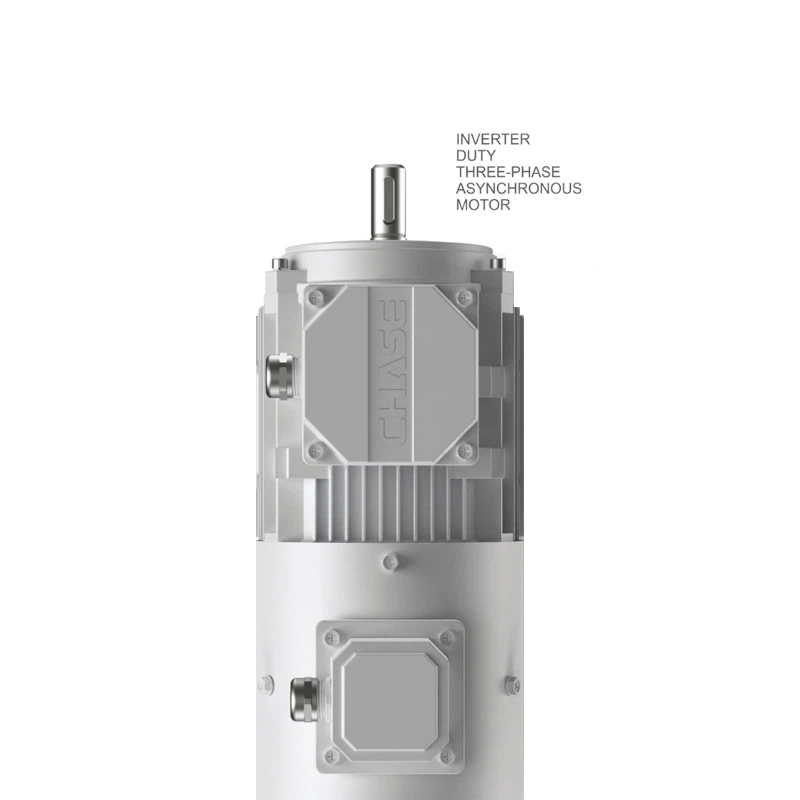
Inverter Duty Motor
As mentioned earlier, speed control is crucial in glass manufacturing. The Inverter Duty Motor is designed to work in conjunction with VFDs, providing precise speed control. This type of motor can be used in the forming and annealing stages to ensure accurate shaping and proper annealing of the glass.
Aluminium Electric Motor
The Aluminium Electric Motor is lightweight and has good heat dissipation properties. In glass manufacturing plants where high temperatures are common, the aluminium construction helps to keep the motor cool, improving its reliability and lifespan. It can be used in applications where weight is a concern, such as in some types of glass - handling equipment.

Conclusion
In conclusion, IE2 Electric Motors can indeed be used effectively in glass manufacturing applications. Their high torque, ability to work with VFDs for speed control, energy efficiency, and durability make them well - suited for the various stages of the glass manufacturing process. Whether it's the raw material handling, glass forming, or annealing stages, IE2 motors can provide the performance required to ensure a smooth and efficient manufacturing operation.
If you are in the glass manufacturing industry and are looking for reliable and efficient electric motors, I encourage you to contact me for a detailed discussion about your specific requirements. We can explore the best motor solutions for your production line and help you achieve cost savings and improved productivity.
References
- International Electrotechnical Commission (IEC). IEC 60034 - 30 - 1:2014, Rotating electrical machines - Part 30 - 1: Efficiency classes of single - speed, three - phase, cage induction motors (IE code).
- Glass Manufacturing Handbook, various industry publications on glass production processes and equipment requirements.