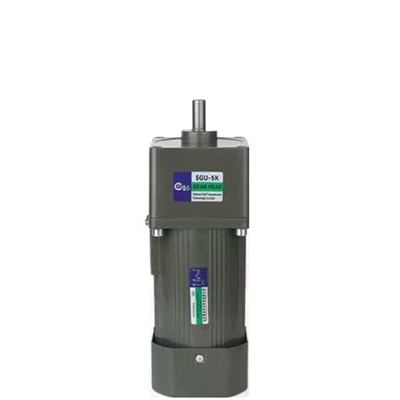
As a supplier of Spindle Servo Motors, one question I'm frequently asked is, "Can a spindle servo motor operate at different voltages?" This is a crucial query, especially for industries where flexibility in power supply is a necessity. In this blog, I'll delve into the technical aspects of spindle servo motors, their voltage requirements, and the possibilities of operating them at different voltages.
Understanding Spindle Servo Motors
Before we discuss voltage operation, let's briefly understand what a Spindle Servo Motor is. A spindle servo motor is a type of motor that is designed to control the speed and position of a spindle, which is a rotating shaft in a machine tool or other equipment. These motors are known for their high precision, high torque, and fast response times, making them ideal for applications such as CNC machining, robotics, and automated manufacturing.
The operation of a spindle servo motor is based on the principle of electromagnetic induction. When an electric current is passed through the motor's coils, a magnetic field is created. This magnetic field interacts with the permanent magnets in the motor, causing the rotor to rotate. The speed and direction of the rotation can be controlled by adjusting the current and voltage supplied to the motor.
Voltage Requirements of Spindle Servo Motors
Spindle servo motors are typically designed to operate within a specific voltage range. This range is determined by several factors, including the motor's design, the type of materials used, and the intended application. For example, a motor designed for a high - speed, high - torque application may require a higher voltage to operate efficiently.
Most spindle servo motors are rated for a particular voltage, such as 220V or 440V. This rating indicates the voltage at which the motor is designed to operate optimally. Operating the motor at its rated voltage ensures that it can deliver the specified power, torque, and speed. If the voltage is too low, the motor may not be able to generate enough torque to drive the load, resulting in slow operation or even stalling. On the other hand, if the voltage is too high, it can cause overheating, damage to the motor's insulation, and ultimately, motor failure.
Can Spindle Servo Motors Operate at Different Voltages?
The short answer is yes, but with some limitations. Many modern spindle servo motors are designed to be flexible in terms of voltage operation. They can operate within a certain voltage range around their rated voltage. For example, a motor rated at 220V may be able to operate within a range of, say, 200V - 240V without significant performance degradation.
However, operating a spindle servo motor outside its recommended voltage range can have several consequences. When the voltage is lower than the rated value, the motor's torque output decreases. This means that the motor may struggle to drive heavy loads or maintain high - speed operation. The motor may also draw more current to compensate for the lower voltage, which can lead to overheating and reduced efficiency.
Conversely, when the voltage is higher than the rated value, the motor may experience excessive current flow. This can cause the motor to overheat, damage the insulation of the windings, and shorten the motor's lifespan. In addition, high voltage can also lead to increased electromagnetic interference, which can affect the performance of other electrical components in the system.
Factors Affecting Voltage Flexibility
Several factors determine how well a spindle servo motor can operate at different voltages. One of the most important factors is the motor's design. Motors with a more robust design and high - quality insulation materials are generally more tolerant of voltage variations.
The type of control system used with the motor also plays a significant role. Advanced servo controllers can adjust the motor's operation based on the input voltage. They can regulate the current and frequency supplied to the motor to maintain stable performance even when the voltage fluctuates.
Another factor is the load on the motor. A motor operating under a light load may be more forgiving of voltage variations than one under a heavy load. When the load is light, the motor does not need to generate as much torque, so it can tolerate a wider range of voltages.
Applications and Voltage Considerations
In different applications, the ability to operate at different voltages can be a significant advantage. For example, in international manufacturing, where power supplies can vary from country to country, a motor that can operate at different voltages provides greater flexibility. A company can use the same motor in different locations without having to worry about significant modifications to the power supply.
In some industrial settings, power outages or voltage fluctuations are common. A spindle servo motor that can tolerate a certain degree of voltage variation can continue to operate during these situations, reducing downtime and improving productivity.
However, it's important to note that in applications where precision and reliability are critical, such as high - end CNC machining, it's still recommended to operate the motor at its rated voltage as closely as possible. Even a small deviation in voltage can affect the motor's performance and the quality of the machined parts.
The Role of Permanent Magnet Motors
Many spindle servo motors are Permanent Magnet Motor Synchronous motors. These motors use permanent magnets in the rotor, which provides several advantages over traditional induction motors. Permanent magnet synchronous motors are more efficient, have a higher power density, and offer better speed control.
In terms of voltage operation, permanent magnet synchronous motors can also be designed to operate within a certain voltage range. The permanent magnets in these motors help to maintain a more stable magnetic field, which can make the motor more tolerant of voltage variations. However, like all motors, they still have their limits, and operating outside the recommended voltage range can lead to performance issues.
Conclusion and Call to Action
In conclusion, while spindle servo motors can operate at different voltages to some extent, it's essential to understand the limitations and potential consequences. Operating the motor within its recommended voltage range is always the best practice to ensure optimal performance, reliability, and longevity.
If you're in the market for a spindle servo motor and have specific voltage requirements or questions about voltage operation, I encourage you to reach out to us. Our team of experts can provide you with detailed information and help you select the right motor for your application. Whether you need a motor for a high - precision CNC machine or a flexible manufacturing system, we have the expertise and products to meet your needs. Contact us today to start the procurement process and discuss how our spindle servo motors can enhance your operations.

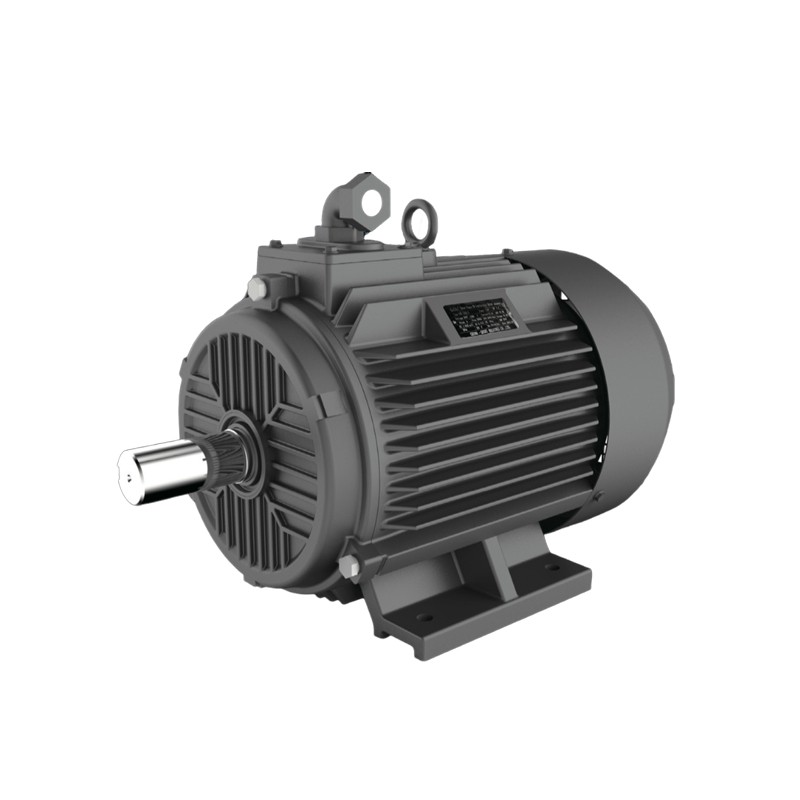
References
- Electric Machinery Fundamentals by Stephen J. Chapman
- Servo Motors and Industrial Control Theory by John Chiasson